
Managing Joint Pain While Traveling: Essential Tips
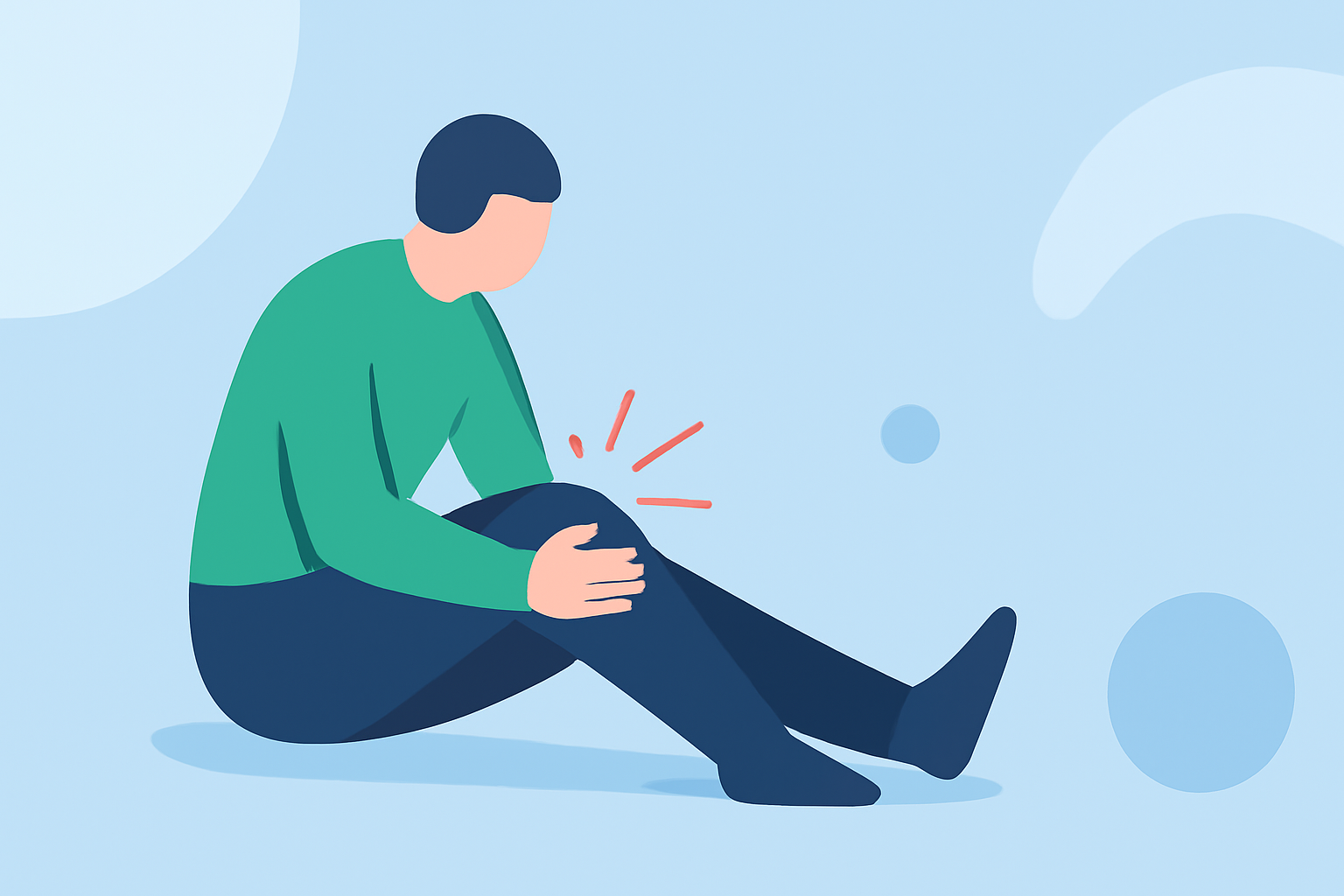
Traveling can be a source of joy and adventure, but for those with joint pain, it can also present challenges. Weather changes, prolonged periods of inactivity, and unfamiliar environments can exacerbate discomfort. Fortunately, with proactive planning and mindful practices, you can manage joint pain effectively while on the move.
Understanding the Impact of Weather on Joint Pain
Many individuals with joint conditions, such as arthritis, report increased pain during certain weather conditions. Specifically, cold and damp environments can lead to stiffer joints and heightened discomfort. This is partly due to changes in barometric pressure, which can cause tissues around the joints to expand, leading to increased pressure and pain. (health.clevelandclinic.org)
Tips for Managing Joint Pain While Traveling
-
Stay Active: Regular movement helps keep joints lubricated and muscles strong, reducing stiffness. Incorporate gentle exercises like walking, stretching, or yoga into your daily routine. Even short periods of activity can make a significant difference. (health.osu.edu)
-
Dress Appropriately: Keeping your body warm can prevent muscles and joints from stiffening. Layering clothing, including thermal wear, can help maintain body heat. Don't forget accessories like gloves and scarves to protect extremities. (healthline.com)
-
Utilize Heat Therapy: Applying heat to affected areas can relax muscles and alleviate pain. Portable heating pads or warm compresses are convenient options for travelers. A warm bath or shower can also provide relief. (franciscanhealth.org)
-
Maintain Hydration: Staying hydrated helps keep joints lubricated. Carry a water bottle and drink regularly throughout the day. Dehydration can worsen joint discomfort, so it's essential to keep fluid intake up. (healthline.com)
-
Plan for Rest Periods: Avoid prolonged periods of inactivity by scheduling regular breaks during travel. If driving, stop every hour to stretch and move around. On flights, stand up and walk around when possible. This practice helps reduce stiffness and discomfort. (kaneorthopedicinstitute.com)
-
Pack Light: Carrying heavy luggage can strain joints, especially in the shoulders, back, and knees. Opt for lightweight bags and consider using rolling luggage to minimize physical strain. (kaneorthopedicinstitute.com)
-
Monitor Weather Forecasts: Before traveling, check the weather conditions of your destination. Being aware of temperature and humidity levels can help you prepare appropriately, such as by packing suitable clothing or planning indoor activities during adverse weather. (healthline.com)
When to Seek Medical Advice
If you experience persistent or severe joint pain during travel, it's important to consult a healthcare professional. They can provide personalized advice and may recommend treatments or therapies to manage your symptoms effectively. (healthline.com)
By implementing these strategies, you can enhance your travel experience and minimize the impact of joint pain. Remember, proactive care and preparation are key to enjoying your journey comfortably.