
Managing Migraine Triggers with Smart Displays: A Comprehensive Guide
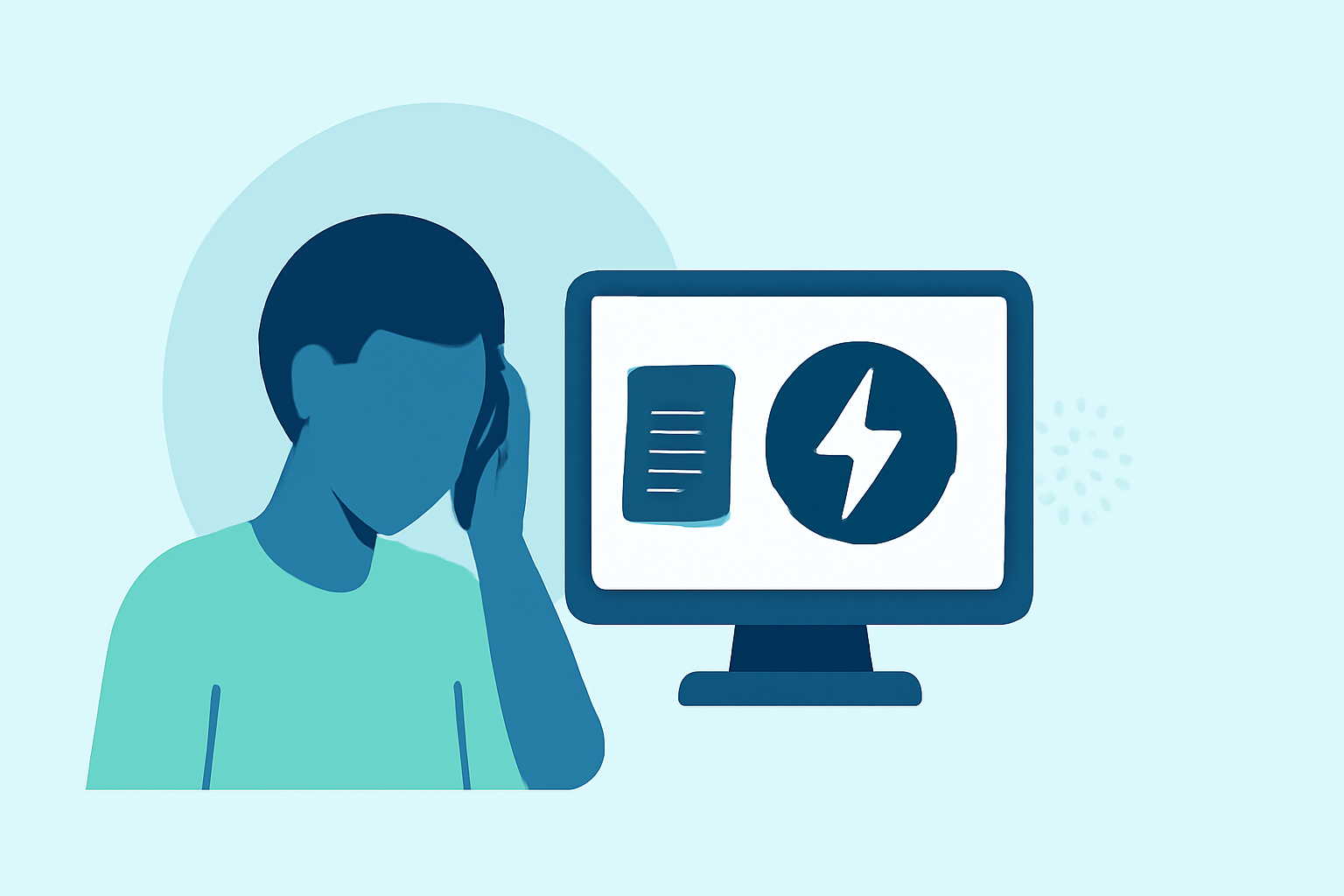
Migraines are debilitating headaches that can be triggered by various factors, including weather changes. Understanding and managing these triggers is crucial for those affected. Smart displays, such as smart speakers with screens, can be valuable tools in this endeavor.
How Do Weather Changes Affect Migraines?
Certain weather patterns are known to trigger migraines in susceptible individuals. These include:
- Bright Sunlight: Glare and intense light can provoke headaches.
- Extreme Temperatures: Sudden changes in temperature, both hot and cold, may lead to migraine attacks.
- High Humidity: Elevated humidity levels can increase the risk of migraines.
- Barometric Pressure Fluctuations: Rapid changes in atmospheric pressure, often associated with storms or weather fronts, are common triggers.
Monitoring these weather conditions can help individuals anticipate and manage potential migraine episodes.
Leveraging Smart Displays to Monitor Weather-Related Triggers
Smart displays can assist in tracking weather conditions that may influence migraine occurrences. Here's how:
-
Real-Time Weather Updates: Smart displays provide current weather information, including temperature, humidity, and barometric pressure, allowing users to stay informed about conditions that may trigger migraines.
-
Personalized Alerts: By setting up custom notifications, users can receive alerts when specific weather conditions, such as high humidity or significant temperature changes, are forecasted.
-
Integration with Health Apps: Some smart displays can sync with health applications to log migraine occurrences and correlate them with weather data, helping identify patterns and triggers.
Steps to Utilize Smart Displays for Migraine Management
To effectively use your smart display in managing weather-related migraine triggers, follow these steps:
-
Set Up Weather Notifications: Configure your smart display to alert you about specific weather conditions that may trigger migraines, such as high humidity or rapid temperature changes.
-
Integrate Health Tracking Apps: Link your smart display with health applications that monitor migraine occurrences, allowing for comprehensive tracking and analysis.
-
Regularly Review Data: Periodically assess the collected data to identify patterns between weather conditions and migraine episodes, enabling proactive management strategies.
Additional Tips for Managing Weather-Related Migraine Triggers
- Stay Hydrated: Dehydration can exacerbate migraine symptoms. Ensure adequate water intake, especially during hot and humid conditions.
- Maintain a Consistent Routine: Regular sleep and meal schedules can help mitigate migraine risks.
- Limit Exposure to Bright Light: Use sunglasses or hats to shield your eyes from intense sunlight.
Conclusion
While weather changes can be unpredictable, utilizing smart displays to monitor and manage environmental factors can empower individuals to take proactive steps in reducing migraine occurrences. By staying informed and prepared, you can better navigate the challenges posed by weather-related migraine triggers.
(mayoclinic.org)