
Managing Migraines During Travel: A Comprehensive Checklist
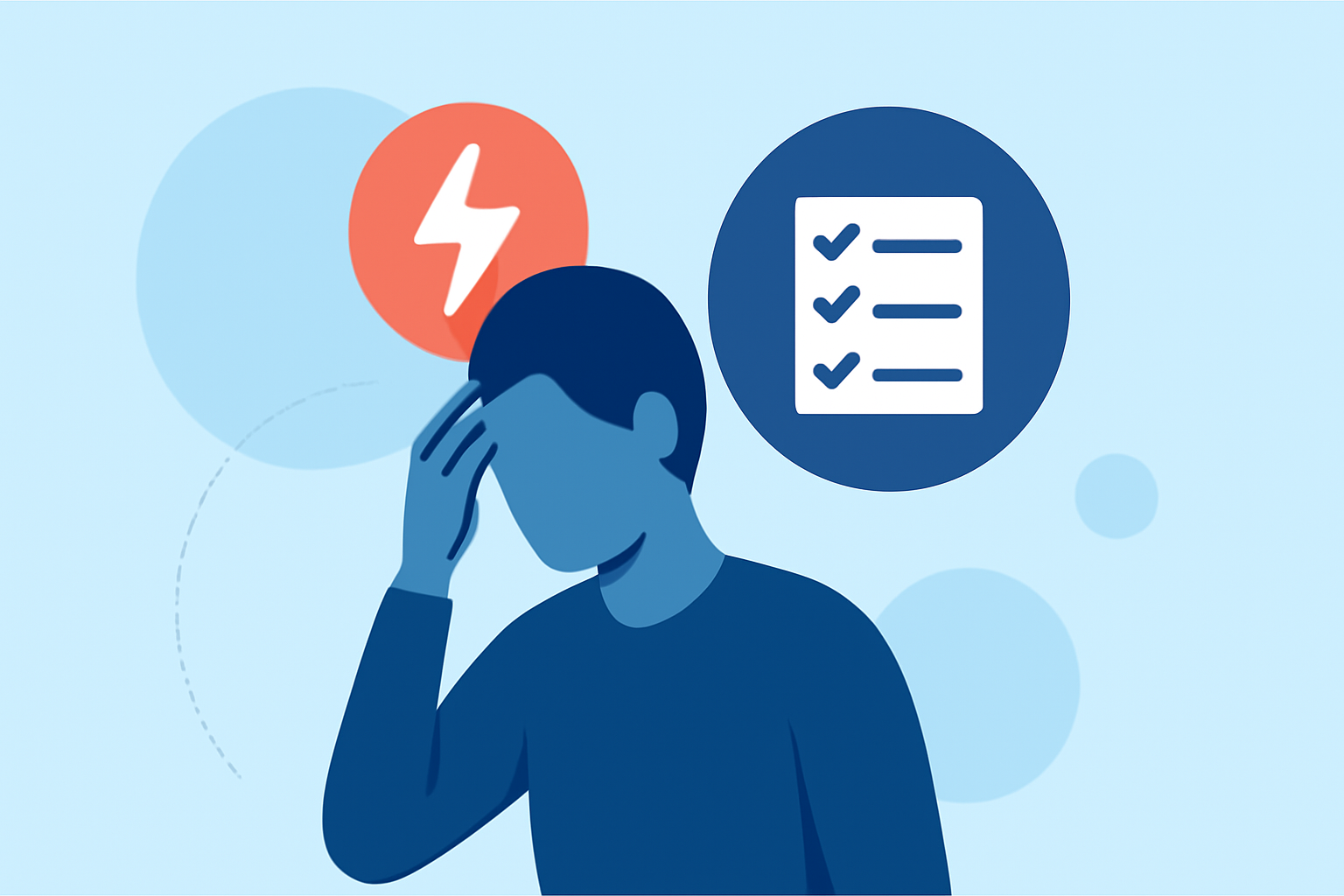
Traveling can be a delightful experience, but for those prone to migraines, it can also present unique challenges. Weather changes, dehydration, and disrupted routines are common triggers that can lead to debilitating headaches. To help you navigate these potential pitfalls, we've compiled a comprehensive checklist to manage and prevent migraines during your travels.
1. Understand Your Triggers
Migraines can be triggered by various factors, including:
-
Weather Changes: Sudden shifts in temperature, humidity, or barometric pressure can set off migraines. (mayoclinic.org)
-
Dehydration: Not drinking enough fluids, especially in hot climates or during air travel, can lead to headaches. (webmd.com)
-
Sleep Disruptions: Irregular sleep patterns or insufficient rest can increase migraine risk. (webmd.com)
2. Plan Ahead
-
Monitor Weather Forecasts: Keep an eye on the weather conditions of your destination. If you notice significant changes in temperature or humidity, take precautions accordingly. (healthline.com)
-
Stay Hydrated: Carry a refillable water bottle to ensure consistent hydration throughout your journey. (webmd.com)
-
Maintain Sleep Routine: Try to stick to your regular sleep schedule to prevent triggering migraines. (webmd.com)
3. During Your Journey
-
Protect Against Sunlight: Wear sunglasses and a wide-brimmed hat to shield your eyes from bright light, a common migraine trigger. (webmd.com)
-
Manage Stress: Practice relaxation techniques such as deep breathing or meditation to keep stress levels in check. (webmd.com)
-
Avoid Known Food Triggers: Be cautious with foods that have previously triggered migraines, such as aged cheeses or processed meats. (webmd.com)
4. Medication Management
-
Carry Necessary Medications: Ensure you have all prescribed migraine medications readily available. (webmd.com)
-
Consult Your Healthcare Provider: Before traveling, discuss any concerns with your doctor, especially if you'll be flying, as cabin pressure changes can affect migraine susceptibility. (webmd.com)
5. Emergency Preparedness
-
Identify Nearby Medical Facilities: Know the locations of hospitals or clinics at your destination in case of a severe migraine attack.
-
Inform Travel Companions: Make sure those you're traveling with are aware of your condition and know how to assist if a migraine occurs.
By proactively addressing these factors, you can significantly reduce the likelihood of a migraine disrupting your travel plans. Remember, preparation is key to a comfortable and enjoyable journey.
Highlights:
- Migraines: Are they triggered by weather changes? - Mayo Clinic, Published on Thursday, May 09
- Migraine and Weather: Humidity, Temperature, and More, Published on Wednesday, February 18
- Can Changes in Weather Trigger Migraine and Other Headaches?, Published on Tuesday, May 19