
Managing Migraines During Workouts: Essential Tips
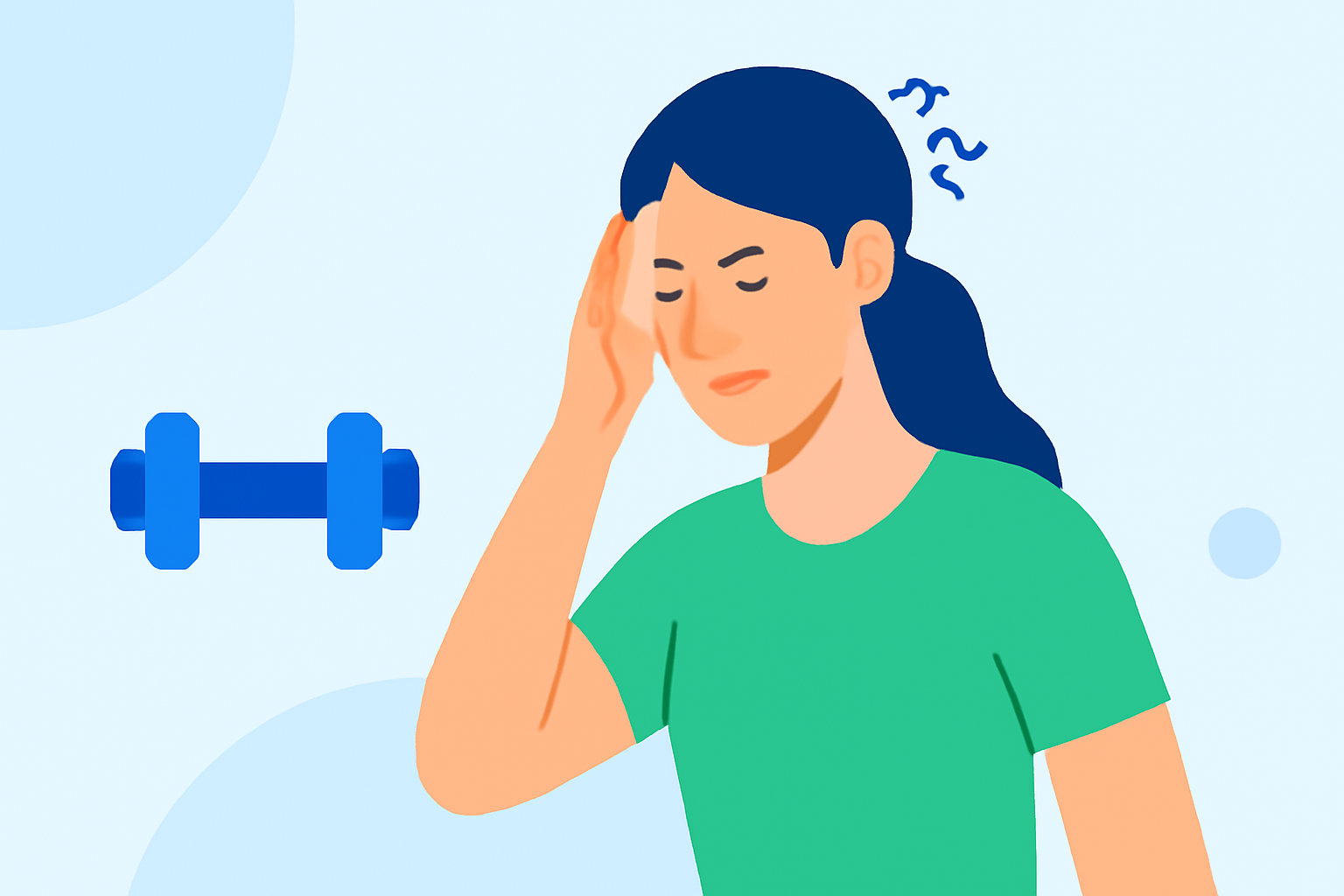
Migraines can be a significant barrier to maintaining an active lifestyle. Understanding how weather conditions and exercise interact is crucial for those prone to these headaches.
How Does Weather Affect Migraines During Exercise?
Certain weather conditions can trigger migraine attacks, especially during physical activity. Factors such as high humidity, extreme temperatures, and rapid barometric pressure changes are known to be common triggers. For instance, hot and humid environments can increase the risk of dehydration, a known migraine trigger. (healthline.com)
What Are Primary Exercise Headaches?
Some individuals experience headaches specifically triggered by physical exertion, known as primary exercise headaches. These headaches typically occur during or after strenuous activities and are usually harmless. However, they can be uncomfortable and may deter individuals from exercising. (mayoclinic.org)
How Can I Prevent Migraines During Workouts?
To minimize the risk of migraine attacks during exercise, consider the following strategies:
-
Monitor Weather Conditions: Be aware of the weather forecast before exercising. Avoid outdoor activities during extreme heat, high humidity, or rapidly changing weather patterns. (healthline.com)
-
Stay Hydrated: Dehydration is a common migraine trigger. Ensure you drink plenty of water before, during, and after your workout. For extended periods of exercise, consider electrolyte-replenishing drinks. (healthline.com)
-
Warm Up and Cool Down: Proper warm-up and cool-down routines can help prevent sudden changes in blood pressure, which may trigger migraines. Engage in gentle stretching and gradual movements before and after intense activities. (healthline.com)
-
Choose Appropriate Activities: Opt for exercises that are less likely to induce migraines. Activities such as walking, cycling, or swimming may be gentler on the body compared to high-intensity workouts. (healthline.com)
-
Maintain a Consistent Routine: Irregular exercise patterns can be a trigger. Establish a regular workout schedule to help your body adapt and reduce the likelihood of migraines. (healthline.com)
What Should I Do If I Experience a Migraine During Exercise?
If a migraine occurs during physical activity, it's important to:
-
Stop Exercising Immediately: Cease all physical activity to prevent exacerbating the migraine.
-
Rest in a Quiet, Dark Environment: Migraines can be sensitive to light and sound. Find a calm, dark place to rest until symptoms subside.
-
Stay Hydrated: Continue to drink water to aid in recovery.
-
Consult a Healthcare Professional: If migraines persist or worsen, seek medical advice to explore appropriate treatments and preventive measures.
How Can I Track My Migraines and Exercise Patterns?
Keeping a detailed migraine diary can be invaluable. Record the timing, intensity, and duration of each migraine, along with the type of exercise performed and the weather conditions at the time. This information can help identify specific triggers and assist in developing a personalized strategy to manage migraines during workouts. (mayoclinic.org)
By proactively managing environmental factors, staying hydrated, and choosing appropriate exercises, individuals can reduce the frequency and severity of migraines associated with physical activity. Implementing these strategies can help maintain an active lifestyle while minimizing migraine disruptions.
Highlights:
- Migraine and Weather: Humidity, Temperature, and More, Published on Wednesday, February 18
- Migraine and Weather: Humidity, Temperature, and More, Published on Wednesday, February 18
- Migraine, Weather, the Environment, and Climate Change: What to Know, Published on Monday, February 23