
Managing Migraines: Step-by-Step Strategies for Weather-Related Triggers
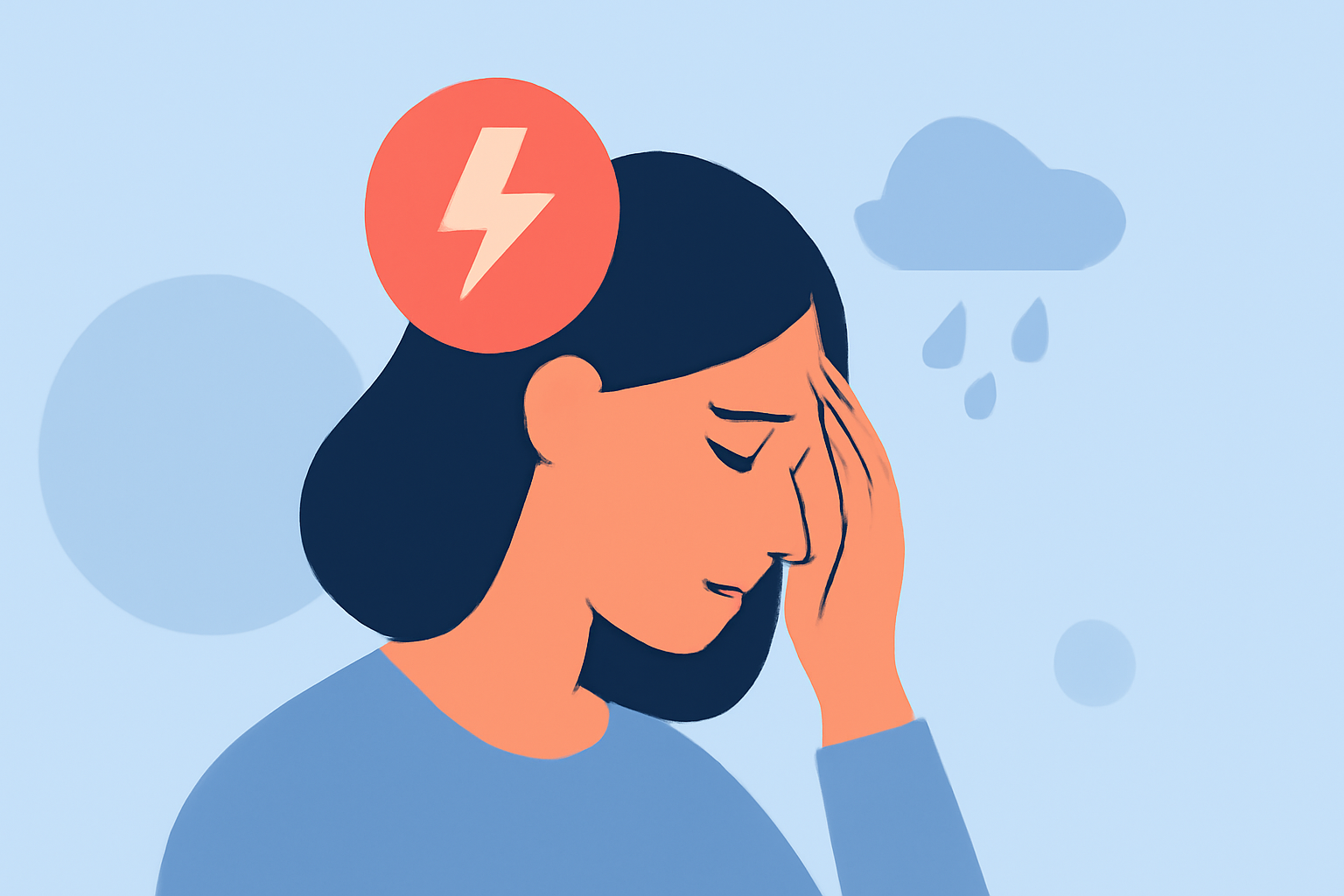
Migraines can be triggered by various factors, including changes in weather conditions. Understanding these triggers and implementing proactive strategies can help mitigate their impact.
Understanding Weather-Related Migraine Triggers
Certain weather conditions are known to provoke migraine attacks:
- Bright Sunlight: Glare and intense light can strain the eyes and lead to headaches.
- Extreme Temperatures: Sudden changes in temperature, both hot and cold, can affect the body's equilibrium.
- High Humidity: Excess moisture in the air can cause dehydration and increase the risk of migraines.
- Barometric Pressure Changes: Fluctuations in atmospheric pressure, often preceding storms, can trigger headaches.
These environmental factors can lead to imbalances in brain chemicals, such as serotonin, which may precipitate a migraine. (mayoclinic.org)
Proactive Strategies to Manage Weather-Related Migraines
- Monitor Weather Patterns: Stay informed about upcoming weather changes that could affect your health.
- Stay Hydrated: Dehydration is a common migraine trigger. Ensure adequate fluid intake, especially during hot and humid conditions. (newsroom.clevelandclinic.org)
- Limit Exposure to Bright Light: Wear sunglasses or hats with brims to reduce glare when outdoors.
- Maintain a Consistent Routine: Regular sleep and meal schedules can help prevent migraines.
- Use Personalized Weather Alerts: Utilize tools that provide real-time weather updates tailored to your location and preferences.
Leveraging Clime for Personalized Weather Alerts
Clime offers a comprehensive weather application that provides real-time updates and personalized alerts. By customizing notifications for specific weather conditions, you can receive timely information about potential migraine triggers in your area. This proactive approach allows you to take necessary precautions, such as adjusting your plans or staying indoors during adverse weather conditions.
Additional Tips for Migraine Management
- Limit Exposure to Strong Odors: Perfumes, smoke, and other strong smells can trigger migraines.
- Manage Stress: Engage in relaxation techniques like deep breathing or meditation to reduce stress levels.
- Consult Healthcare Professionals: If migraines persist, seek advice from a healthcare provider for personalized treatment options.
By understanding the link between weather changes and migraines, and by implementing these strategies, you can better manage and potentially reduce the frequency of weather-related migraine attacks.