
Managing Outdoor Laundry During Pollen Season: Essential Tips
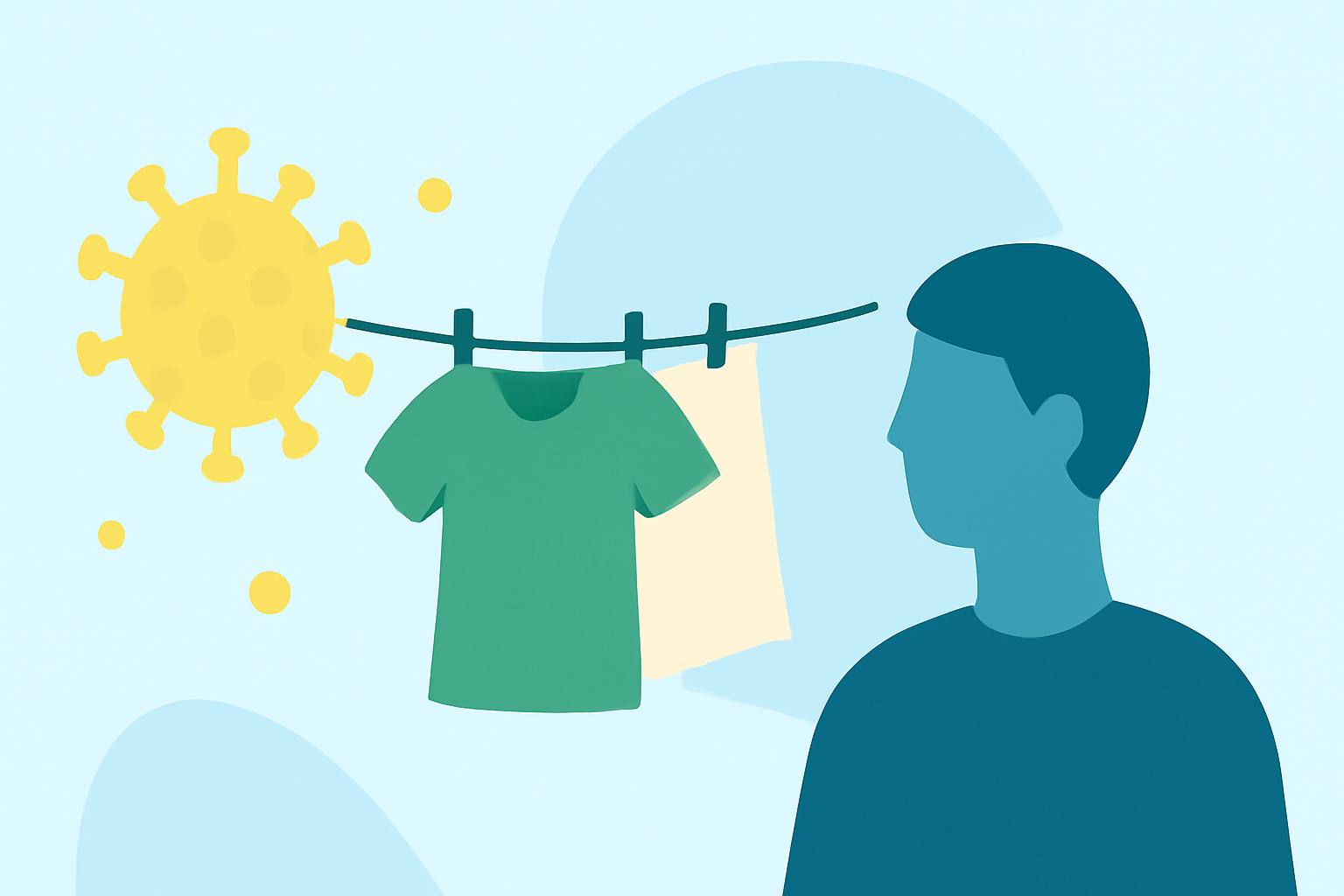
Managing outdoor laundry during pollen season requires strategic planning to minimize allergen exposure and maintain fresh, clean clothes. Pollen, the fine powder produced by plants for reproduction, is a common trigger for seasonal allergies. Understanding its behavior and implementing effective drying techniques can significantly reduce indoor pollen levels.
Understanding Pollen Behavior
Pollen counts fluctuate throughout the day, typically peaking in the early morning hours between 5 AM and 10 AM. During this period, pollen levels are highest, making it an unfavorable time for outdoor activities, including drying laundry. As the day progresses, pollen concentrations generally decrease, reaching their lowest levels in the late afternoon and early evening. This pattern is influenced by factors such as temperature, humidity, and wind conditions. (mypollenpal.com)
Optimal Times for Outdoor Drying
To minimize pollen exposure, consider the following guidelines for outdoor laundry drying:
-
Morning Drying: If you prefer drying clothes outdoors, aim to do so before 10 AM, as pollen counts are lower during this time. (daikin.com.my)
-
Afternoon Drying: Alternatively, wait until after 4 PM, when pollen levels typically decrease, to hang your laundry outside. (mypollenpal.com)
Risks of Outdoor Drying During High Pollen Periods
Drying laundry outdoors during peak pollen times can lead to several issues:
-
Pollen Adherence: Damp fabrics attract pollen particles, which adhere to the material, effectively recontaminating clean clothes. (precisionapplianceleasing.com)
-
Indoor Allergen Increase: Bringing pollen-laden laundry indoors can elevate indoor pollen levels, exacerbating allergy symptoms. (saga.co.uk)
Indoor Drying Solutions
To avoid these issues, consider indoor drying methods:
-
Indoor Drying Racks: Set up drying racks in well-ventilated areas to allow clothes to air dry without exposure to outdoor allergens.
-
Dehumidifiers and Fans: Utilize dehumidifiers and fans to speed up the drying process and reduce humidity, which can promote mold growth.
-
Air Conditioning: Use air conditioning to maintain a controlled indoor environment, further reducing humidity and pollen infiltration.
Additional Tips for Allergy Sufferers
-
Shower After Outdoor Activities: Showering and changing clothes after being outdoors can help remove pollen from your body and prevent it from spreading indoors. (chkd.org)
-
Keep Windows Closed: During high pollen periods, keep windows closed to prevent pollen from entering your home. (childrensmn.org)
-
Use Air Purifiers: Consider using air purifiers with HEPA filters to reduce indoor pollen levels. (scienceinsights.org)
Conclusion
By understanding pollen behavior and implementing strategic drying techniques, you can effectively manage outdoor laundry during pollen season, minimizing allergen exposure and maintaining a comfortable indoor environment.