
Managing Particulate Matter Levels During Pollen Season
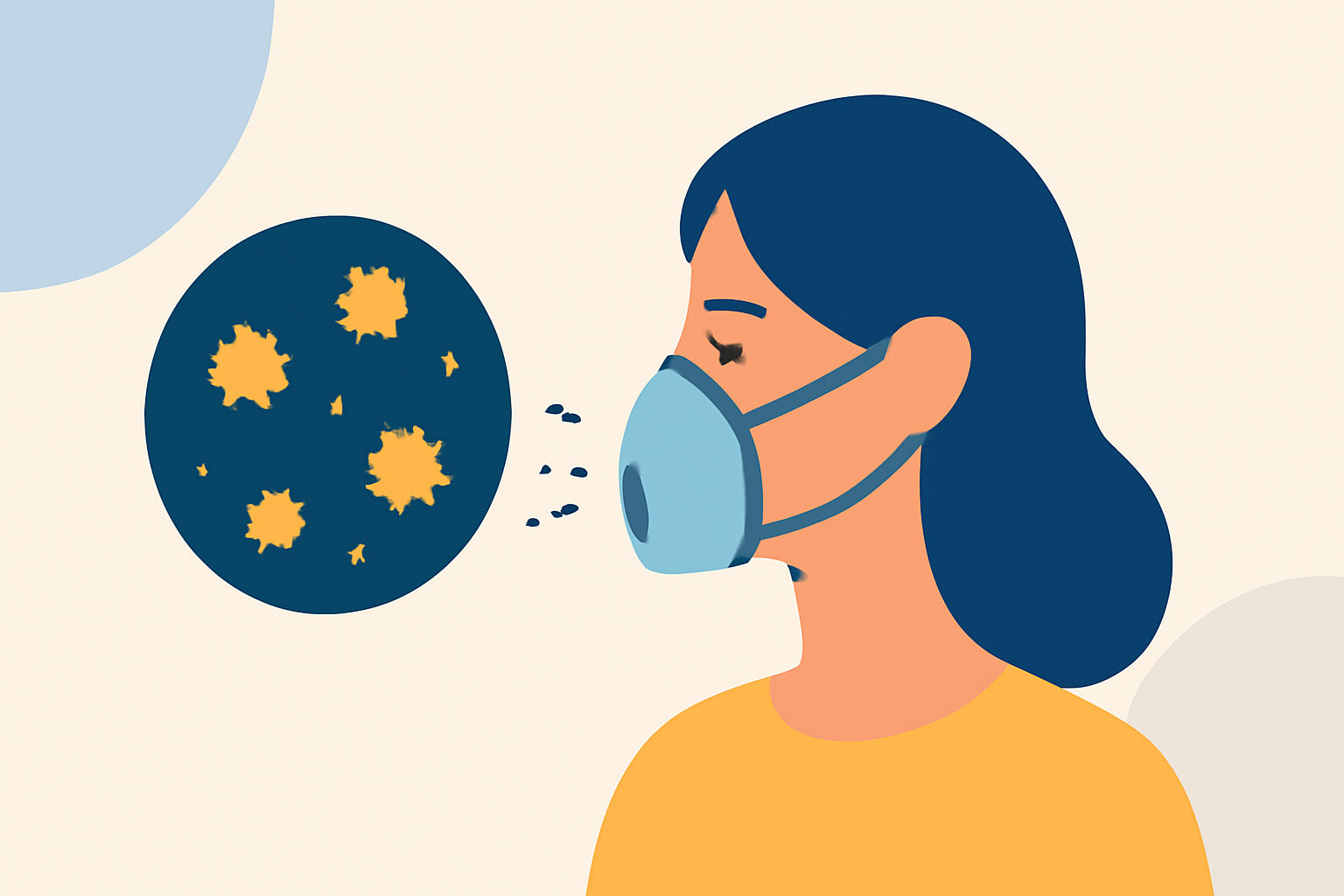
During pollen season, elevated levels of particulate matter (PM) in the air can exacerbate allergy symptoms and respiratory issues. Understanding how to manage these levels is crucial for maintaining well-being.
What Is Particulate Matter?
Particulate matter consists of tiny particles suspended in the air, including pollen, dust, soot, and liquid droplets. These particles can penetrate deep into the respiratory system, leading to health problems, especially during pollen season when pollen counts are high.
How Does Pollen Season Affect Particulate Matter Levels?
Pollen season contributes significantly to increased particulate matter in the air. Plants release pollen into the atmosphere, which combines with other pollutants to form particulate matter. This combination can worsen air quality and intensify allergy symptoms.
Effective Strategies to Reduce Exposure
- Monitor Pollen and Air Quality Levels
Stay informed about local pollen counts and air quality indices. Many weather services and apps provide daily updates, helping you plan outdoor activities accordingly. Pollen counts are typically highest between 5 a.m. and 10 a.m., so consider limiting outdoor exposure during these times. (atlanta.com)
- Limit Outdoor Activities During High Pollen Periods
On days with high pollen counts, reduce outdoor activities, especially strenuous exercises that can increase inhalation of pollen. If you must go outside, wear a wide-brimmed hat and sunglasses to minimize pollen contact with your eyes and hair. (dyson.ie)
- Keep Windows Closed and Use Air Conditioning
Keep windows and doors closed during high pollen periods to prevent pollen from entering your home. Use air conditioning with a high-efficiency particulate air (HEPA) filter to help reduce indoor pollen levels. (ummhealth.org)
- Maintain Clean Indoor Air
Use a dehumidifier to keep indoor air dry, as humidity can promote pollen and mold growth. Regularly clean floors with a vacuum cleaner equipped with a HEPA filter to remove pollen and other allergens. (mayoclinic.org)
- Shower and Change Clothes After Outdoor Exposure
After spending time outdoors, shower and change clothes to remove pollen from your skin and hair, preventing it from contaminating indoor environments. (iqair.com)
- Exercise Wisely
If you exercise outdoors, choose times when pollen levels are lower, typically in the late afternoon or after rain. Avoid outdoor exercise on dry, warm, windy days, which bring the highest pollen levels. (webmd.com)
How Can Clime Help?
Clime offers real-time air quality monitoring, providing up-to-date information on particulate matter levels and pollen counts in your area. This feature enables you to make informed decisions about outdoor activities and take necessary precautions to minimize exposure.
Conclusion
Managing particulate matter levels during pollen season involves staying informed, limiting exposure during peak times, and maintaining clean indoor environments. Utilizing tools like Clime can assist in monitoring air quality, helping you navigate pollen season more comfortably.
Highlights:
- How to cope with worsening allergy seasons - Harvard Health, Published on Friday, February 28
- Seasonal allergies: Nip them in the bud - Mayo Clinic, Published on Tuesday, February 27
- Your Cheat Sheet For Tree, Grass And Ragweed Pollen | Weather.com, Published on Tuesday, March 18