
Managing Plant Humidity During Severe Weather
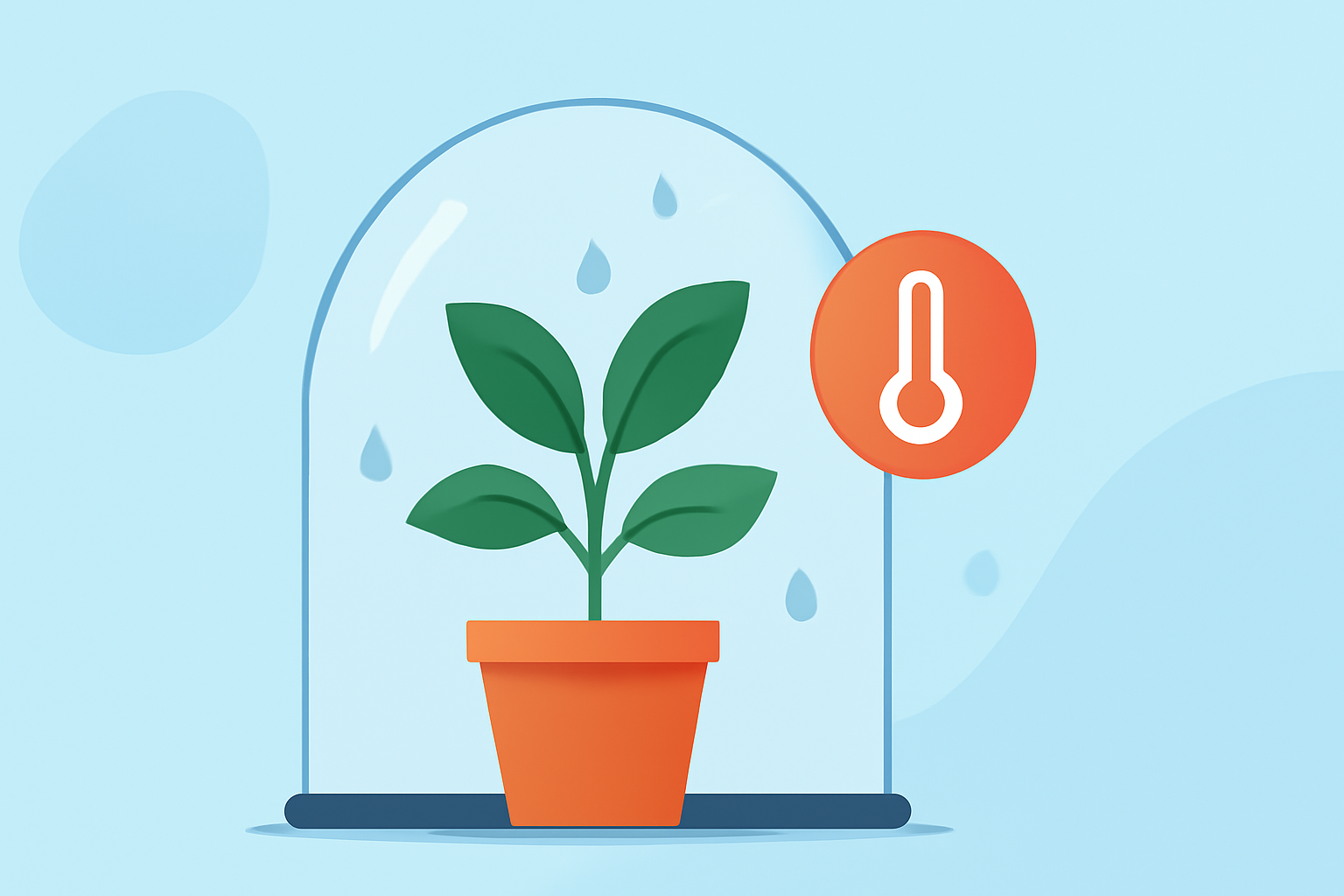
Maintaining appropriate humidity levels is crucial for plant health, especially during severe weather conditions. Fluctuations in temperature and moisture can stress plants, leading to issues like leaf curl, browning, and stunted growth. Understanding how to manage humidity during such times can help keep your plants thriving.
Why Is Humidity Important for Plants?
Humidity refers to the amount of water vapor in the air. Plants absorb moisture through their leaves and roots, and the surrounding humidity affects this process. Ideal humidity levels vary among plant species:
- Tropical Plants: Prefer higher humidity, often between 60–80%.
- Succulents and Cacti: Thrive in lower humidity, around 10–40%.
- Most Houseplants: Generally do well in 40–60% humidity.
Maintaining the right humidity helps prevent issues like leaf browning, curling, and premature leaf drop. (smartfog.com)
How Does Severe Weather Affect Plant Humidity?
Severe weather events, such as heatwaves, storms, or cold fronts, can cause rapid changes in temperature and humidity. For instance, during heatwaves, indoor humidity levels can drop significantly due to air conditioning, while cold fronts can lead to dry indoor air from heating systems. These fluctuations can stress plants, especially those sensitive to humidity changes. (hardyhouseplant.com)
How Can I Maintain Optimal Humidity for My Plants During Severe Weather?
-
Use Humidifiers: Placing a humidifier near your plants can help maintain consistent humidity levels. This is particularly beneficial during dry conditions. (thehouseofhydro.com)
-
Group Plants Together: Arranging plants close to each other creates a microenvironment with higher humidity, as they release moisture into the air. This method is effective for small groups of plants. (bobvila.com)
-
Use Pebble Trays: Place a tray filled with water and pebbles beneath your plants. As the water evaporates, it increases the humidity around the plant. Ensure the plant's pot is elevated above the water level to prevent root rot.
-
Misting: Lightly misting your plants can temporarily raise humidity. However, avoid over-wetting the foliage to prevent fungal diseases.
-
Monitor Soil Moisture: Severe weather can affect soil moisture levels. Regularly check the soil to ensure it's neither too dry nor waterlogged. Adjust your watering schedule accordingly.
How Can Clime Help Manage Plant Humidity?
Clime offers advanced climate monitoring solutions that can assist in maintaining optimal conditions for your plants. By providing real-time data on temperature and humidity, Clime enables you to make informed decisions about your plant care routine. This proactive approach helps mitigate the adverse effects of severe weather on plant health.
Conclusion
Managing humidity is essential for plant health, especially during severe weather conditions. By understanding your plants' specific humidity needs and implementing strategies to maintain optimal levels, you can ensure their vitality and resilience. Utilizing tools like Clime can further enhance your ability to monitor and adjust environmental factors, leading to healthier plants.
Highlights:
- Should outdoor plants be watered every day in hot weather? Horticultural experts reveal all, Published on Friday, May 22
- How to care for houseplants in a heatwave: 5 ways to protect plants from extreme temperatures, Published on Sunday, June 29