
Managing Pollen Allergies During Severe Weather: Insights and Strategies
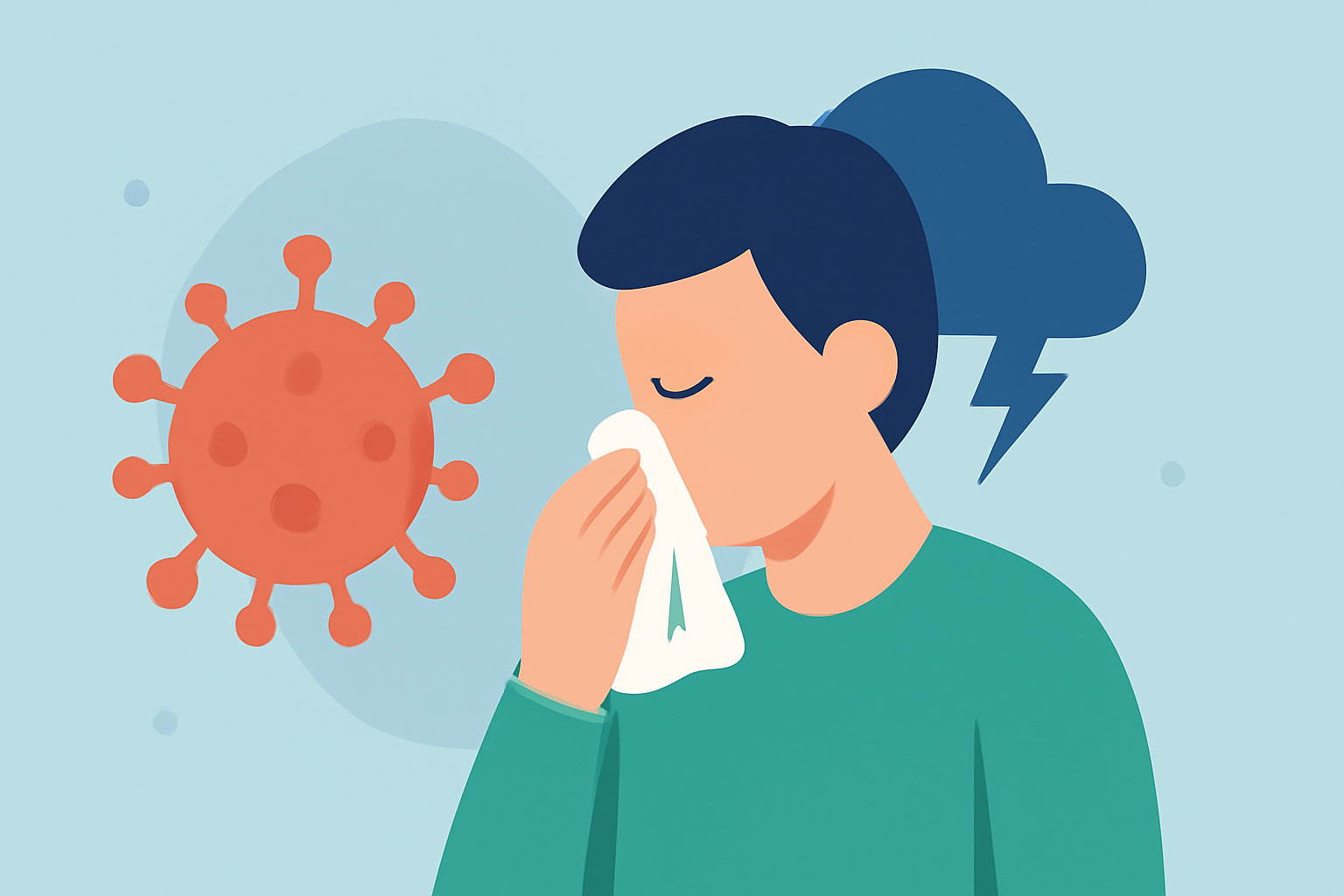
Pollen allergies, commonly known as hay fever, affect millions of individuals in the United States, leading to symptoms like sneezing, congestion, and itchy eyes. These symptoms can be exacerbated by various weather conditions, especially severe weather events. Understanding the interplay between pollen seasons and severe weather is crucial for effective management.
How Does Severe Weather Affect Pollen Levels?
Severe weather events, particularly thunderstorms, can significantly influence pollen levels. High humidity, strong winds, and lightning associated with these storms can rupture pollen grains, dispersing tiny allergenic particles into the air. These smaller particles can penetrate deeper into the lungs, potentially triggering severe allergic reactions and asthma attacks. (nationalgeographic.com)
What Is Thunderstorm Asthma?
The phenomenon known as "thunderstorm asthma" occurs when pollen grains are broken into smaller fragments during thunderstorms, leading to a sudden increase in airborne pollen levels. This can result in a spike in asthma attacks and severe allergic reactions, even among individuals who typically experience mild symptoms. (nationalgeographic.com)
How Can I Manage Pollen Allergies During Severe Weather?
-
Stay Informed: Monitor local weather forecasts and pollen counts regularly. Many weather services provide pollen forecasts, helping you anticipate high pollen days. (healthy.kaiserpermanente.org)
-
Limit Outdoor Activities: On days with high pollen counts or during severe weather events, try to stay indoors, especially during peak pollen times, which are typically midday and afternoon. (healthy.kaiserpermanente.org)
-
Create a Pollen-Free Environment Indoors:
- Keep Windows Closed: Prevent pollen from entering by keeping windows and doors closed during high pollen periods. (healthy.kaiserpermanente.org)
- Use Air Conditioning: Air conditioners can filter out pollen; ensure your system has a clean, high-efficiency particulate air (HEPA) filter. (mayoclinic.org)
- Use HEPA Filters: Employ HEPA filters in your home's air system and consider using a portable HEPA filter in your bedroom. (mayoclinic.org)
- Practice Good Hygiene:
- Shower After Outdoor Exposure: Rinse pollen from your skin and hair to prevent it from spreading indoors. (mayoclinic.org)
- Change Clothes: Remove and wash any clothes that have been outside to avoid bringing pollen indoors. (mayoclinic.org)
- Use Medications as Directed: Over-the-counter antihistamines, nasal sprays, and decongestants can help alleviate symptoms. Consult with a healthcare provider to determine the best treatment plan for your needs. (mayoclinic.org)
How Does Climate Change Impact Pollen Seasons?
Climate change has been linked to longer and more intense pollen seasons. Warmer temperatures and extended growing seasons provide plants with more time to release pollen, leading to earlier and prolonged allergy seasons. For instance, between 1970 and 2024, nearly 90% of 198 U.S. cities experienced longer growing seasons, contributing to earlier and more intense pollen seasons. (climatecentral.org)
What Are the Forecasts for the 2026 Allergy Season?
Pollen levels are expected to be higher in certain regions during the 2026 allergy season. Monitoring local pollen forecasts and staying informed about regional pollen trends can help you prepare and manage your symptoms effectively.
Conclusion
Severe weather events can significantly impact pollen levels, exacerbating allergy symptoms. By staying informed, limiting exposure during high pollen periods, and implementing effective management strategies, individuals can better navigate the challenges posed by pollen allergies during severe weather.
Highlights:
- Why Thunderstorms Can Make Your Pollen Allergies Worse - And What You Can Do About It, Published on Monday, April 20