
Managing Pollen Allergies During Travel: Essential Tips and Tools
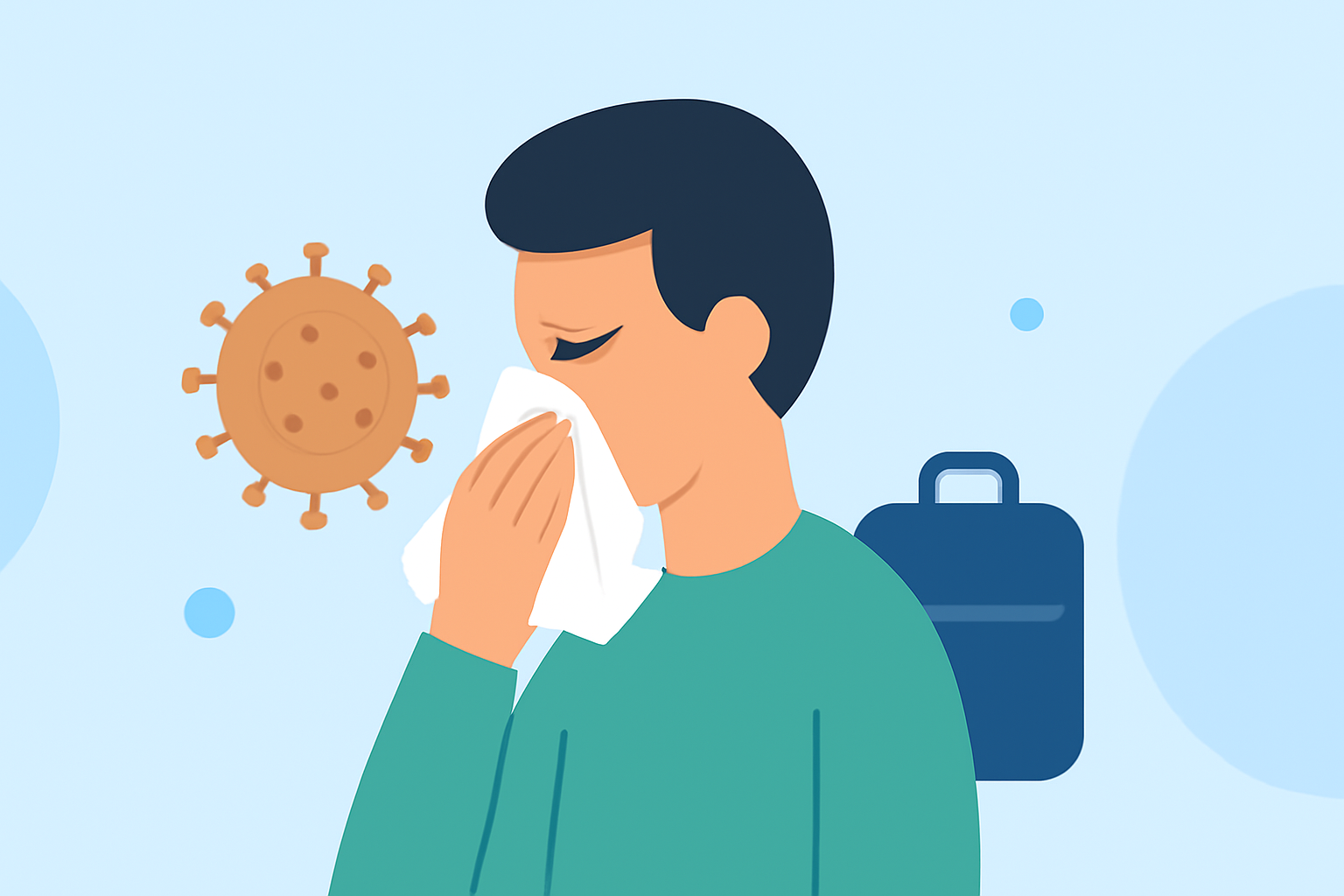
Traveling can be a delightful experience, but for those with pollen allergies, it can also present challenges. Understanding how to manage these allergies during your travels is crucial for a comfortable journey. Here's a comprehensive guide to help you navigate pollen forecasts and minimize allergy symptoms while on the move.
What Are Pollen Allergies and How Do They Affect Travelers?
Pollen allergies, commonly known as hay fever, occur when the immune system overreacts to pollen from trees, grasses, or weeds. Symptoms include sneezing, nasal congestion, itchy eyes, and fatigue. For travelers, exposure to different pollen types in various regions can trigger these symptoms, potentially disrupting your trip.
How Can I Stay Informed About Pollen Levels at My Destination?
Staying informed about pollen levels at your travel destination is essential. Utilize reliable pollen forecast tools to monitor pollen counts and plan your activities accordingly. For instance, Pollen.com provides detailed pollen forecasts for numerous U.S. cities, helping you anticipate and manage exposure. (pollen.com)
What Are Effective Strategies to Minimize Pollen Exposure While Traveling?
Implementing strategies to reduce pollen exposure can significantly alleviate allergy symptoms:
-
Use Air Conditioning: Whether traveling by car or staying in accommodations, keeping windows closed and using air conditioning can help filter out pollen. (health.clevelandclinic.org)
-
Shower and Change Clothes: After spending time outdoors, showering and changing clothes can remove pollen particles from your body and clothing. (health.clevelandclinic.org)
-
Monitor Pollen Forecasts: Regularly checking pollen forecasts allows you to plan outdoor activities during times when pollen levels are lower. (benadryl.com)
How Can I Prepare for Pollen Exposure During My Trip?
Preparation is key to managing pollen allergies:
-
Consult with a Healthcare Professional: Before traveling, discuss your allergy management plan with your doctor to ensure you have the appropriate medications and strategies in place.
-
Pack Allergy Relief Essentials: Bring necessary medications, such as antihistamines or nasal sprays, and consider carrying a portable air purifier for your hotel room.
-
Choose Accommodations Wisely: Opt for places with air conditioning and non-smoking rooms to reduce exposure to allergens.
How Can Clime Assist in Managing Pollen Allergies During Travel?
Clime offers a comprehensive weather and pollen forecast service that can be invaluable for travelers. By providing real-time pollen counts and forecasts, Clime enables you to plan your activities around periods of lower pollen levels, ensuring a more comfortable travel experience.
What Are Some Additional Tips for Managing Allergies While Traveling?
-
Stay Hydrated: Drinking plenty of water helps thin mucus and can alleviate nasal congestion.
-
Limit Outdoor Activities During Peak Pollen Times: Pollen levels are typically highest in the early morning and on windy days. Planning outdoor activities during other times can reduce exposure.
-
Keep Windows Closed: Whether in transit or at your destination, keeping windows closed can prevent pollen from entering your environment.
By proactively managing your pollen allergies and utilizing tools like Clime, you can enjoy your travels with minimal discomfort. Remember, preparation and awareness are your best allies in combating pollen-related issues during your journey.
Highlights:
- Local Pollen Forecast | Claritin®
- National Allergy Forecast & Info About Allergies | Pollen.com, Published on Sunday, June 07
- 10 Tips for Traveling with Allergies: Prevention & Relief | BENADRYL®