
Effective Strategies for Managing Pollen Allergies in Children
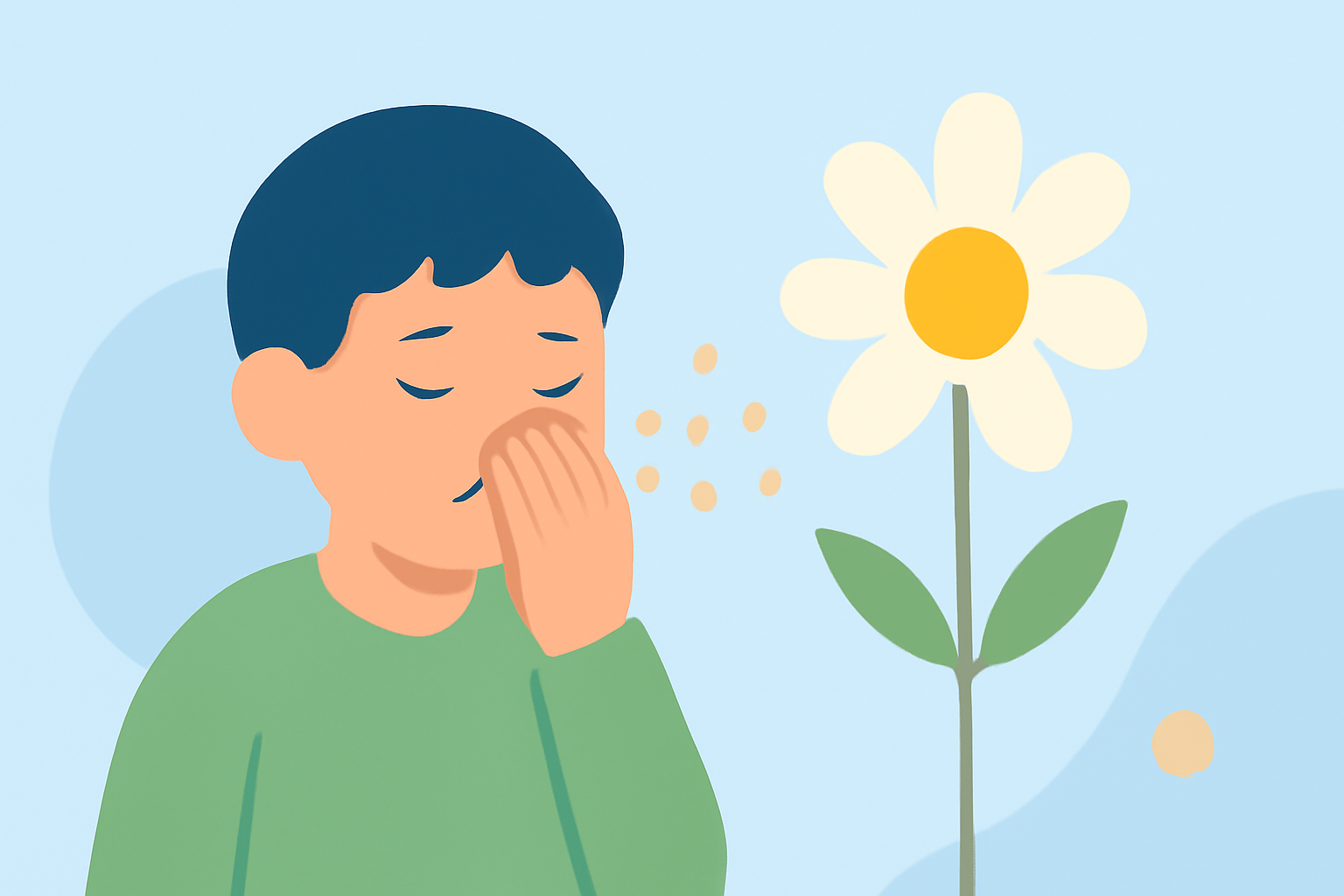
Pollen allergies, commonly known as hay fever, affect many children, leading to symptoms like sneezing, runny noses, and itchy eyes. Managing these symptoms requires proactive strategies, including staying informed about pollen levels and taking appropriate precautions.
Understanding Pollen and Its Impact
Pollen is a fine powder produced by trees, grasses, and weeds during their reproductive cycles. When inhaled, it can trigger allergic reactions in sensitive individuals. These reactions often manifest as sneezing, nasal congestion, and itchy eyes. The severity of symptoms can vary based on pollen concentrations and individual sensitivities.
Staying Informed: The Role of Pollen Notifications
Monitoring local pollen counts is crucial for managing allergies. High pollen levels can exacerbate symptoms, making it essential to plan outdoor activities accordingly. Utilizing pollen notification services can provide real-time updates, allowing parents to make informed decisions about their children's outdoor exposure.
Practical Tips for Parents
-
Limit Outdoor Activities During High Pollen Times: Pollen levels are typically highest between 5 and 10 a.m. and in the late afternoon. Scheduling outdoor activities during these times can reduce exposure. (scholastic.com)
-
Keep Windows Closed: To prevent pollen from entering, keep windows and doors closed during high pollen seasons. Using air conditioning can help maintain indoor air quality. (kidshealth.org)
-
Shower and Change Clothes After Outdoor Play: Pollen can cling to hair and clothing. Encouraging children to shower and change clothes after playing outside can minimize indoor pollen exposure. (kidshealth.org)
-
Use Air Purifiers: Air purifiers equipped with HEPA filters can help reduce indoor pollen levels, creating a more comfortable environment for children. (kidshealth.org)
-
Dry Laundry Indoors: Avoid drying clothes and bedding outside during high pollen seasons, as pollen can settle on fabrics. (kidshealth.org)
Leveraging Technology: Clime's Pollen Notifications
Clime offers a comprehensive solution for parents seeking to manage their children's pollen allergies. By providing real-time pollen notifications, Clime enables parents to receive timely updates on pollen levels in their area. This feature empowers families to plan outdoor activities more effectively, ensuring that children are less exposed to high pollen concentrations.
Additional Considerations
-
Monitor Local Pollen Forecasts: Regularly checking local pollen forecasts can help anticipate high pollen days and plan accordingly.
-
Consult Healthcare Providers: If allergy symptoms persist or worsen, seeking advice from a healthcare professional is recommended.
By staying informed and implementing these strategies, parents can significantly reduce their children's exposure to pollen allergens, leading to a more comfortable and healthier lifestyle.
Highlights:
- Dealing With Triggers: Pollen (for Parents) - Norton Children's
- What To Do for a Child With Allergies, Published on Tuesday, August 01
- Hay Fever Triggers: Tips for Parents - HealthyChildren.org, Published on Sunday, April 29