
Managing Pollen Counts During Travel: A Comprehensive Guide
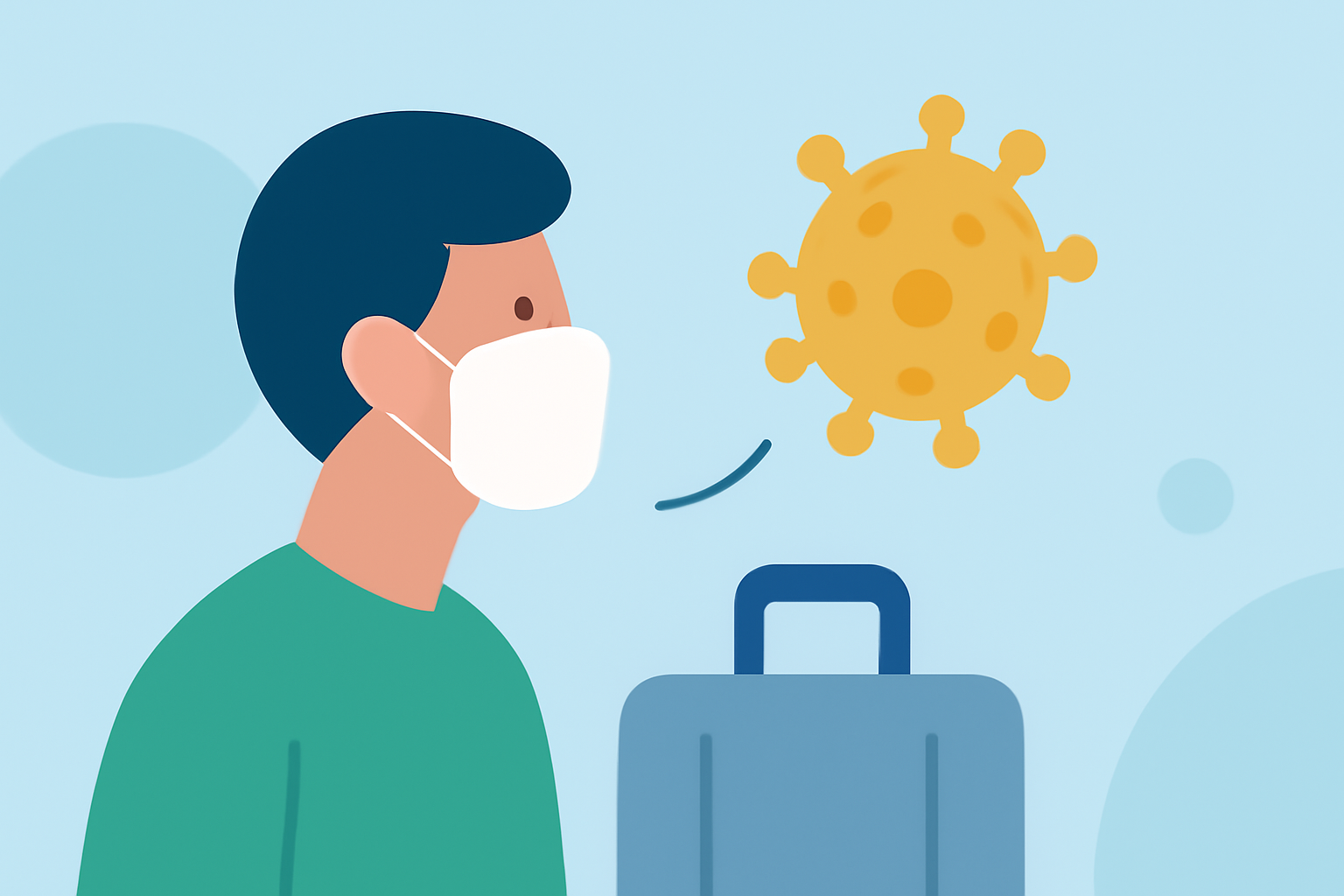
Traveling can be a delightful experience, but for those with pollen allergies, it presents unique challenges. Understanding and managing pollen counts during your travels is essential to minimize discomfort and enjoy your trip to the fullest.
What Are Pollen Counts and Why Do They Matter?
Pollen counts measure the number of pollen grains in a specific volume of air. Elevated pollen levels can trigger allergic reactions such as sneezing, congestion, and itchy eyes. Being aware of these counts, especially during travel, helps in taking proactive measures to reduce exposure.
How Do Pollen Levels Vary Across the United States?
Pollen levels fluctuate based on location, season, and local flora. For instance:
-
Grass Pollen: Predominantly high from mid-May to July, especially in inland areas.
-
Tree Pollen: Typically peaks in late March to mid-May, with species like oak and birch being common culprits.
-
Weed Pollen: Often elevated from late June to September, with ragweed being a significant contributor.
These patterns can vary, so it's crucial to research the specific pollen seasons of your travel destination.
How Can I Monitor Pollen Levels While Traveling?
Staying informed about pollen levels in your travel area is vital. Here are some effective methods:
-
Use Specialized Apps and Websites: Platforms like Pollen.com and PollenCount.org provide real-time pollen forecasts for numerous cities across the U.S. These resources offer detailed pollen counts and forecasts, helping you plan your activities accordingly. (pollen.com)
-
Check Local Weather Services: Many local weather stations and news outlets include pollen forecasts in their daily reports, offering insights into current and upcoming pollen levels.
What Precautions Should I Take to Minimize Pollen Exposure?
Implementing strategies to reduce pollen exposure can significantly alleviate allergy symptoms:
-
Keep Windows Closed: Whether traveling by car or staying in accommodations, keeping windows closed prevents pollen from entering indoor spaces.
-
Use Air Conditioning: Utilize air conditioning to maintain comfort while keeping windows closed. Ensure that the air conditioning system has a clean filter to avoid circulating allergens.
-
Plan Outdoor Activities Wisely: Pollen levels often peak during midday. Opt for outdoor activities in the early morning or late evening when pollen counts are typically lower.
-
Wear Protective Gear: Consider wearing sunglasses and a hat to shield your eyes and hair from pollen.
-
Shower and Change Clothes: After spending time outdoors, shower and change into clean clothes to remove any pollen that may have adhered to your body or clothing.
How Can Clime Assist in Managing Pollen Counts During Travel?
Clime offers a comprehensive solution for travelers seeking to manage pollen exposure effectively. With Clime, you can access real-time pollen forecasts for over 500 cities, ensuring you stay informed about pollen levels at your destination. The platform provides personalized notifications, allowing you to receive timely updates on pollen counts and air quality, so you can plan your activities accordingly. Additionally, Clime offers super-local hourly forecasts and pollen maps, giving you detailed insights into pollen levels throughout the day. By utilizing Clime's features, you can make informed decisions to minimize exposure and enjoy your travels with greater comfort.
Conclusion
Traveling with pollen allergies requires proactive planning and awareness. By monitoring pollen levels, taking preventive measures, and utilizing tools like Clime, you can significantly reduce allergy symptoms and enhance your travel experience. Remember, preparation is key to a comfortable and enjoyable journey.