
Managing Pollen Exposure in Your Car: A Step-by-Step Guide
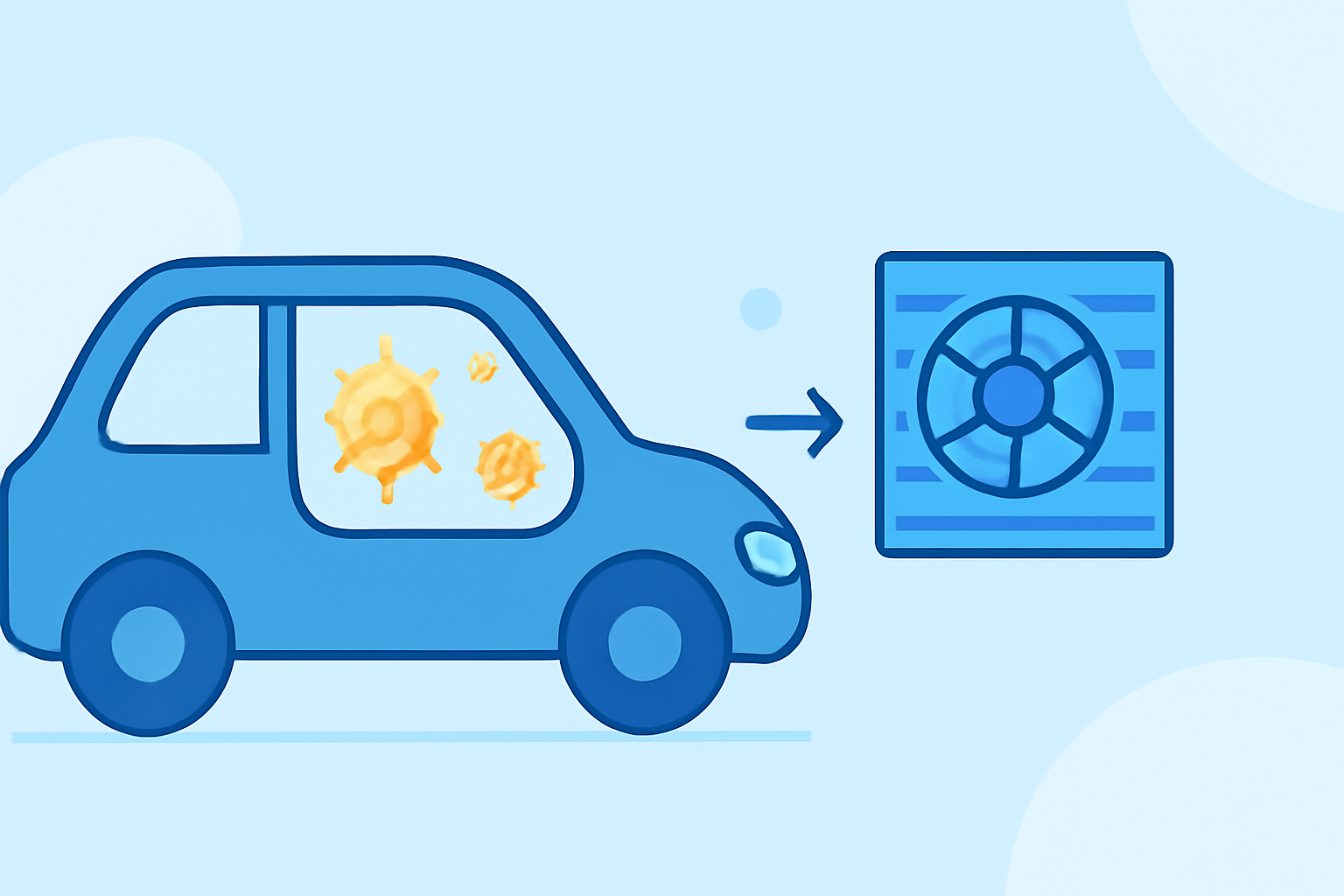
Pollen exposure can significantly impact allergy sufferers, even within the confines of a vehicle. Understanding how pollen infiltrates your car and implementing preventive measures can help maintain a comfortable driving environment.
How Does Pollen Enter My Car?
Pollen enters your vehicle primarily through the ventilation system, especially when windows are open or the air conditioning is set to draw in outside air. Additionally, pollen can settle on the car's exterior and, when doors or windows are opened, transfer inside.
What Are the Risks of Pollen in My Car?
High pollen levels inside your vehicle can exacerbate allergy symptoms such as sneezing, itchy eyes, and respiratory discomfort. Moreover, pollen particles can accumulate on the car's interior surfaces, including seats and carpets, contributing to a less comfortable environment.
How Can I Reduce Pollen Levels Inside My Car?
-
Use High-Quality Cabin Air Filters: Install cabin air filters designed to capture pollen and other airborne particles. Regularly inspect and replace these filters as recommended by your vehicle's manufacturer to ensure optimal performance. (mrtyre.com)
-
Keep Windows Closed During High Pollen Times: Limit the intake of pollen by keeping windows closed, particularly during peak pollen hours, which are typically between 5 AM and 10 AM. (pollen.com)
-
Set Air Conditioning to Recirculate: Utilize the recirculation mode on your vehicle's air conditioning system to prevent outside air from entering the cabin, thereby reducing pollen intrusion.
-
Regularly Clean the Interior: Vacuum seats, carpets, and other fabric surfaces frequently to remove pollen particles. Wipe down hard surfaces with a damp cloth to capture any settled pollen.
-
Wash the Exterior Regularly: Frequent washing of your car's exterior removes pollen buildup, preventing it from transferring inside when doors or windows are opened. (tidalwaveautospa.com)
How Can I Monitor Pollen Levels in My Area?
Staying informed about local pollen counts can help you plan your driving and outdoor activities. Several resources provide real-time pollen forecasts for various locations:
-
Pollen.com: Offers daily pollen reports and allergy forecasts for cities across the United States. (pollen.com)
-
MyPollenPal: Provides pollen counts by ZIP code, along with personalized advice for managing allergies. (mypollenpal.com)
-
IQAir: Delivers detailed pollen and air quality information for specific regions, including Mercedes, Texas. (iqair.com)
What Are the Benefits of Reducing Pollen in My Car?
Implementing these measures can lead to a more comfortable driving experience by minimizing allergy symptoms and improving air quality inside your vehicle. Additionally, maintaining a pollen-free environment can help preserve your car's interior and exterior condition.
By proactively managing pollen exposure, you can enjoy a more comfortable and health-conscious driving experience.