
Managing Ragweed Allergies for Athletes: Essential Strategies
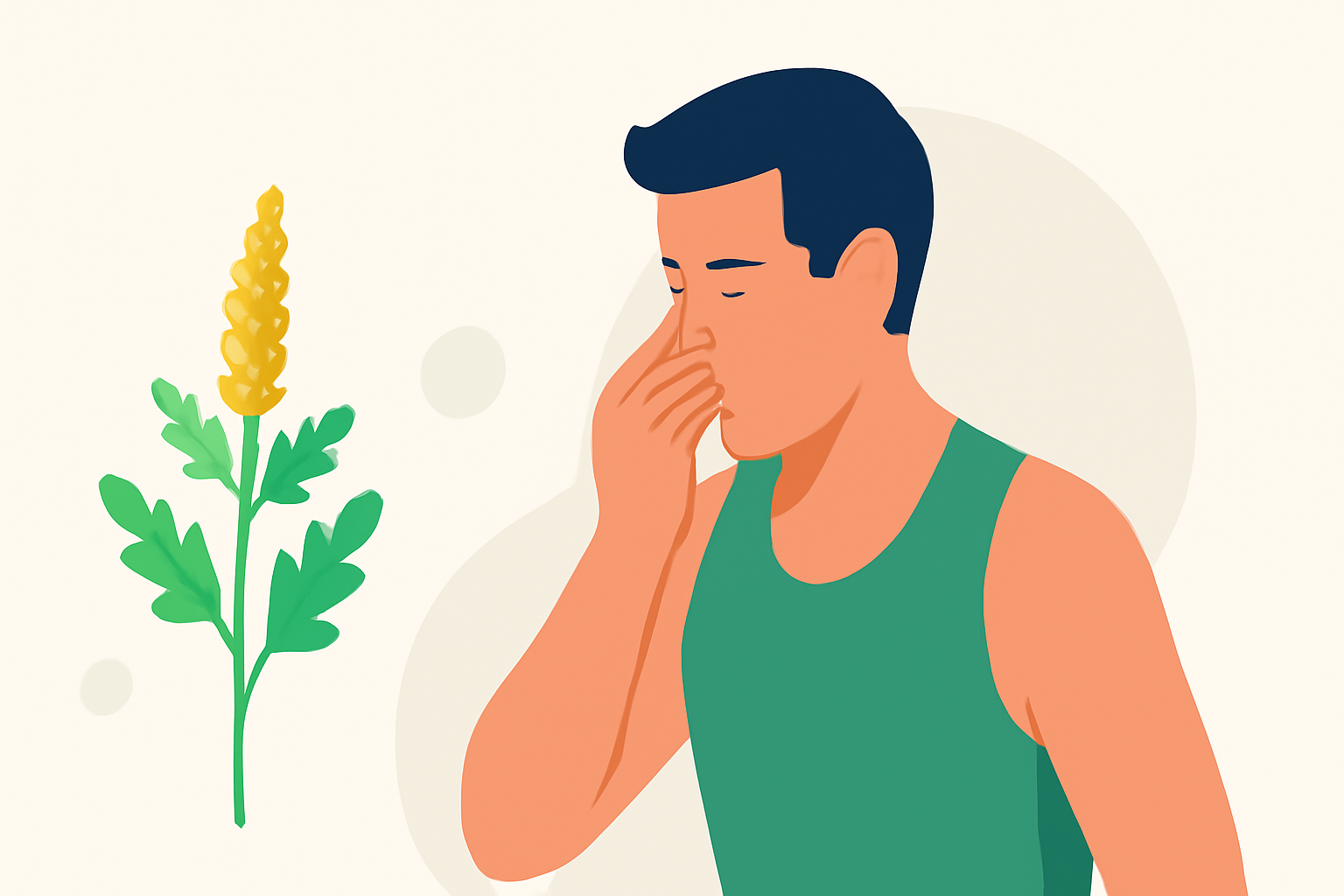
Ragweed pollen is a prevalent allergen in the United States, particularly affecting athletes during late summer and early fall. Understanding how to manage these allergies is crucial for maintaining peak performance.
Understanding Ragweed Allergies
Ragweed plants release pollen into the air from late summer to early fall, with peak levels typically occurring between 10 a.m. and 3 p.m. This pollen can travel hundreds of miles, making it challenging to avoid. Common symptoms include sneezing, runny nose, itchy eyes, and congestion. For athletes, these symptoms can impair breathing, reduce oxygen intake, and hinder overall performance. (healthline.com)
Impact on Athletic Performance
During intense physical activity, athletes inhale more air, increasing pollen exposure. This heightened intake can lead to:
-
Respiratory Issues: Increased pollen inhalation can trigger asthma symptoms, leading to coughing, wheezing, and shortness of breath.
-
Decreased Oxygen Intake: Nasal congestion can impair oxygen intake by 20–40%, affecting endurance and performance. (heyallergy.com)
-
Sleep Disruption: Allergy symptoms can disrupt sleep, leading to fatigue and reduced recovery quality.
Effective Management Strategies
To mitigate the effects of ragweed allergies, athletes can implement the following strategies:
-
Monitor Pollen Levels: Regularly check local pollen forecasts to plan outdoor activities during times of lower pollen counts. (webmd.com)
-
Optimal Training Times: Schedule workouts before 6:00 a.m. or after sunset, as pollen levels are typically lower during these periods. (heyallergy.com)
-
Indoor Alternatives: On high pollen days, consider indoor training options to minimize exposure.
-
Pre-Treatment: Consult with a healthcare provider about appropriate medications, such as antihistamines or nasal corticosteroids, to manage symptoms before exercise. (my.clevelandclinic.org)
-
Post-Exercise Hygiene: Shower and change clothes immediately after outdoor activities to remove pollen from the skin and hair. (files.dep.state.pa.us)
-
Protective Gear: Wearing a face mask, sunglasses, or a hat can reduce the amount of pollen inhaled and prevent it from settling in the hair. (webmd.com)
-
Environmental Controls: Keep windows closed and use air conditioning with appropriate filters to reduce indoor pollen levels. (my.clevelandclinic.org)
Dietary Considerations
Some individuals with ragweed allergies may experience oral allergy syndrome, where certain foods can trigger symptoms. Foods to be cautious of include bananas, melons, cucumbers, and zucchini. It's advisable to consult with a healthcare provider to identify and manage any food-related triggers. (webmd.com)
Conclusion
Managing ragweed allergies is essential for athletes to maintain optimal performance during peak pollen seasons. By implementing proactive strategies and consulting with healthcare professionals, athletes can effectively navigate the challenges posed by ragweed pollen.
Highlights:
- Ragweed Allergies Symptoms and Treatment, Published on Thursday, March 12
- Ragweed Migration With Warming Climates — Where It’s Heading | HeyAllergy, Published on Wednesday, February 18
- Ragweed Allergy: Causes, Symptoms & Treatment, Published on Thursday, October 19