
Managing Ragweed Allergies with Wear OS: A Comprehensive Guide
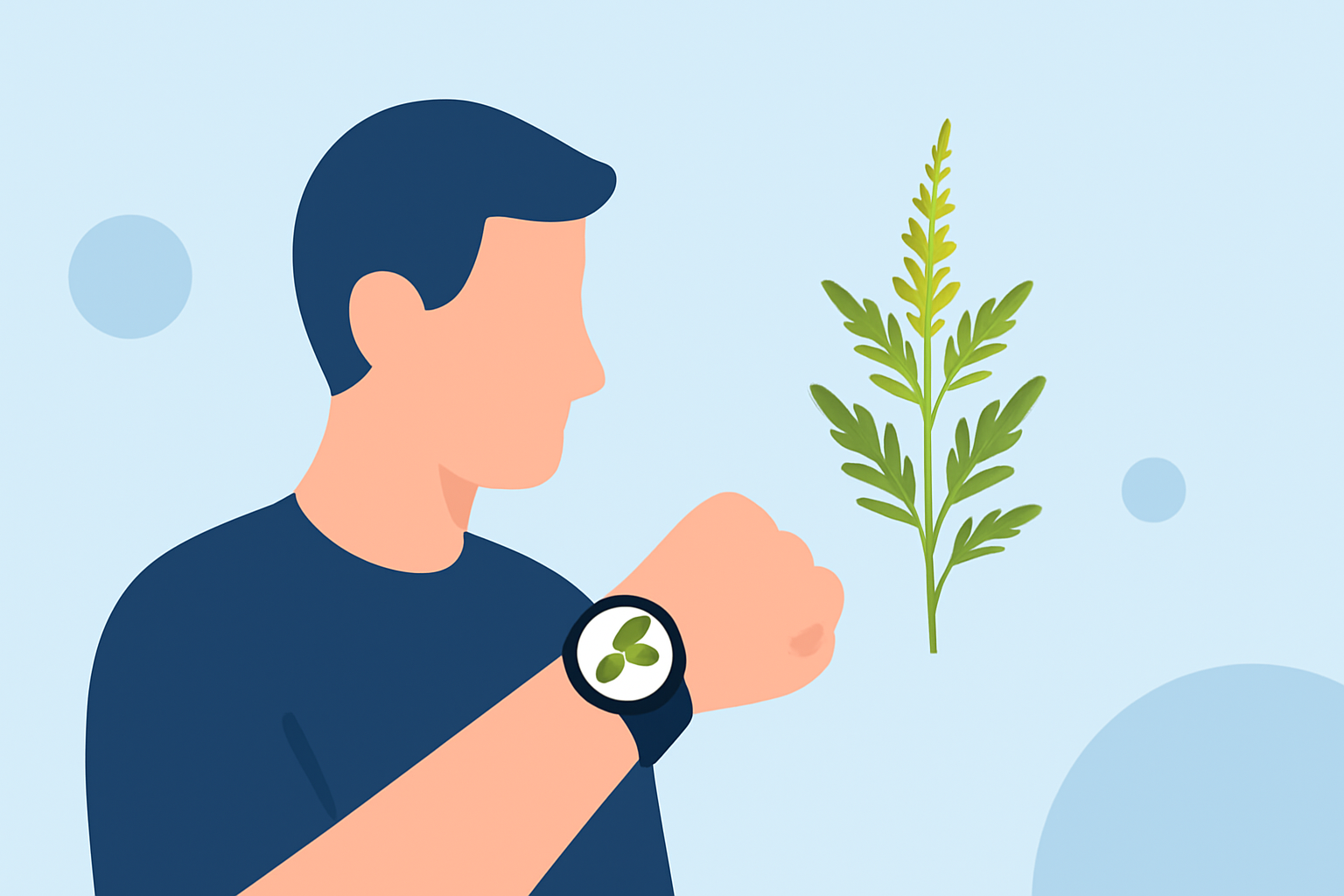
Ragweed pollen is a leading cause of seasonal allergies in the United States, particularly during late summer and fall. Monitoring pollen levels can help individuals with sensitivities plan their activities and mitigate symptoms. Wear OS devices offer a convenient platform for accessing real-time pollen information, and Clime provides a comprehensive solution tailored for this purpose.
Understanding Ragweed Pollen and Its Impact
Ragweed plants release pollen into the air from August through October, with peak levels often occurring in September. This pollen is a common trigger for allergic rhinitis, leading to symptoms such as sneezing, nasal congestion, and itchy eyes. In the U.S., ragweed is prevalent in all states except Alaska, with higher concentrations in the East and Midwest. (pollencount.app)
The Role of Wear OS in Allergy Management
Wear OS devices, such as smartwatches, provide a convenient way to access real-time information on the go. By integrating pollen forecasts and alerts into these devices, users can receive timely updates on allergen levels, enabling proactive management of their symptoms.
Clime's Solution for Ragweed Pollen Monitoring
Clime offers a Wear OS-compatible application that delivers hyper-local pollen forecasts, including specific data on ragweed pollen levels. Key features include:
-
Real-Time Pollen Forecasts: Access up-to-date pollen counts for your exact location, with hourly updates to track fluctuations throughout the day.
-
Personalized Alerts: Set custom notifications to be alerted when ragweed pollen levels reach thresholds that may trigger your symptoms.
-
Symptom Tracking: Log your allergy symptoms directly within the app to identify patterns and correlations with pollen levels.
-
Weather Integration: View pollen forecasts alongside local weather conditions to plan outdoor activities effectively.
Getting Started with Clime on Wear OS
-
Installation: Download and install the Clime app from the Google Play Store on your Wear OS device.
-
Setup: Open the app and grant necessary permissions, such as location access, to receive accurate pollen forecasts.
-
Customization: Set your preferred pollen level thresholds for alerts and input your typical allergy symptoms for tracking.
-
Monitoring: Regularly check the app for real-time updates and receive notifications when pollen levels are high.
Benefits of Using Clime for Ragweed Allergy Management
-
Proactive Planning: Stay informed about pollen levels to schedule outdoor activities during lower-risk periods.
-
Symptom Correlation: Identify specific pollen triggers by tracking symptoms alongside pollen data.
-
Convenience: Access critical information directly from your wrist, ensuring timely responses to changing pollen conditions.
Conclusion
Managing ragweed allergies requires timely and accurate information. Clime's Wear OS application offers a user-friendly and effective solution to monitor pollen levels, receive personalized alerts, and track symptoms, empowering users to take control of their allergy management.