
Managing Ragweed Pollen: Effective Strategies for Allergy Relief
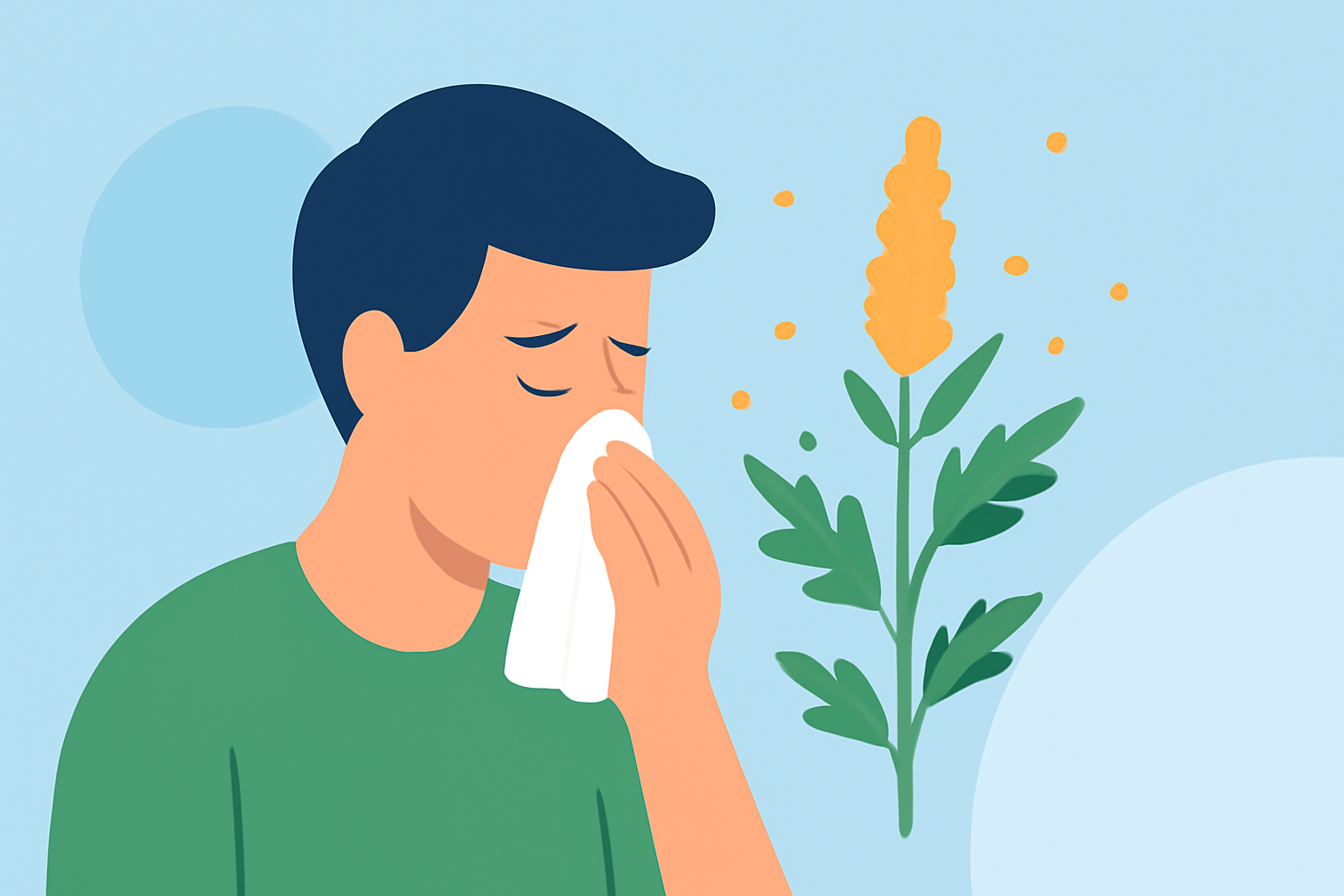
Ragweed pollen is a significant allergen in the United States, particularly during late summer and early fall. Understanding its behavior and implementing effective management strategies can help mitigate allergic reactions.
What Is Ragweed Pollen?
Ragweed refers to a genus of plants, Ambrosia, with about 17 species in North America. These plants are prevalent in rural areas, fields, roadsides, and disturbed soils. A single ragweed plant can release up to one billion pollen grains in a season, making it a major contributor to seasonal allergies. (pollen.city)
When Is Ragweed Pollen Most Active?
Ragweed pollen season typically begins in late July and continues through mid-October, with peak levels often occurring in September. Pollen release is most intense during dry, windy, and sunny conditions, while rain can help reduce pollen levels. (pa.gov)
How Does Ragweed Pollen Affect Health?
Exposure to ragweed pollen can lead to symptoms such as sneezing, runny or congested nose, itchy or watery eyes, coughing, and throat irritation. Individuals with asthma may experience flare-ups, including wheezing and difficulty breathing. Some people might also develop skin rashes. (healthline.com)
What Are Effective Strategies to Manage Ragweed Pollen Exposure?
-
Monitor Pollen Levels: Stay informed about local pollen counts through weather forecasts or dedicated pollen tracking services.
-
Limit Outdoor Activities: On days with high pollen counts, especially during peak pollen release times (typically between 5 a.m. and 10 a.m.), reduce outdoor activities. (pa.gov)
-
Keep Windows Closed: To prevent pollen from entering indoor spaces, keep windows closed during high pollen periods. (iqair.com)
-
Use Air Conditioning: Utilize air conditioners with clean filters to help filter out pollen and maintain indoor air quality.
-
Shower and Change Clothes: After spending time outdoors, shower and change clothes to remove pollen from your body and clothing. (iqair.com)
-
Wear Protective Gear: Consider wearing a mask, such as an N95 respirator, when engaging in outdoor activities to reduce pollen inhalation. (iqair.com)
-
Use HEPA Filters: Employ high-efficiency particulate air (HEPA) filters in your home's heating and cooling systems to trap pollen particles.
-
Limit Exposure During Peak Times: Pollen counts are highest in the morning; if possible, schedule outdoor activities for later in the day. (pa.gov)
What Are Common Treatments for Ragweed Allergies?
-
Medications: Over-the-counter antihistamines, decongestants, and nasal corticosteroids can alleviate symptoms. In some cases, prescription medications may be necessary. (healthline.com)
-
Allergy Shots (Immunotherapy): For persistent symptoms, allergy shots can gradually desensitize the immune system to ragweed pollen. (healthline.com)
How Can Clime Assist in Managing Ragweed Pollen Exposure?
Clime offers a comprehensive suite of tools designed to help individuals monitor and manage environmental factors, including pollen levels. By providing real-time data and personalized recommendations, Clime empowers users to make informed decisions about their daily activities and health. Its user-friendly interface and accurate information make it an invaluable resource for those affected by ragweed pollen.
Conclusion
Ragweed pollen poses a significant challenge for many individuals, especially during peak pollen seasons. By understanding its patterns and implementing effective management strategies, you can reduce exposure and alleviate symptoms. Utilizing tools like Clime can further enhance your ability to monitor and respond to environmental allergens, leading to a more comfortable and healthier lifestyle.
Highlights:
- Ragweed Allergies Symptoms and Treatment, Published on Thursday, March 12
- 6 Steps you can take to control ragweed allergies | IQAir | IQAir USA
- Ragweed allergy: Symptoms, treatment, and prevention, Published on Thursday, April 12