
Managing Ragweed Pollen Exposure at Outdoor Events
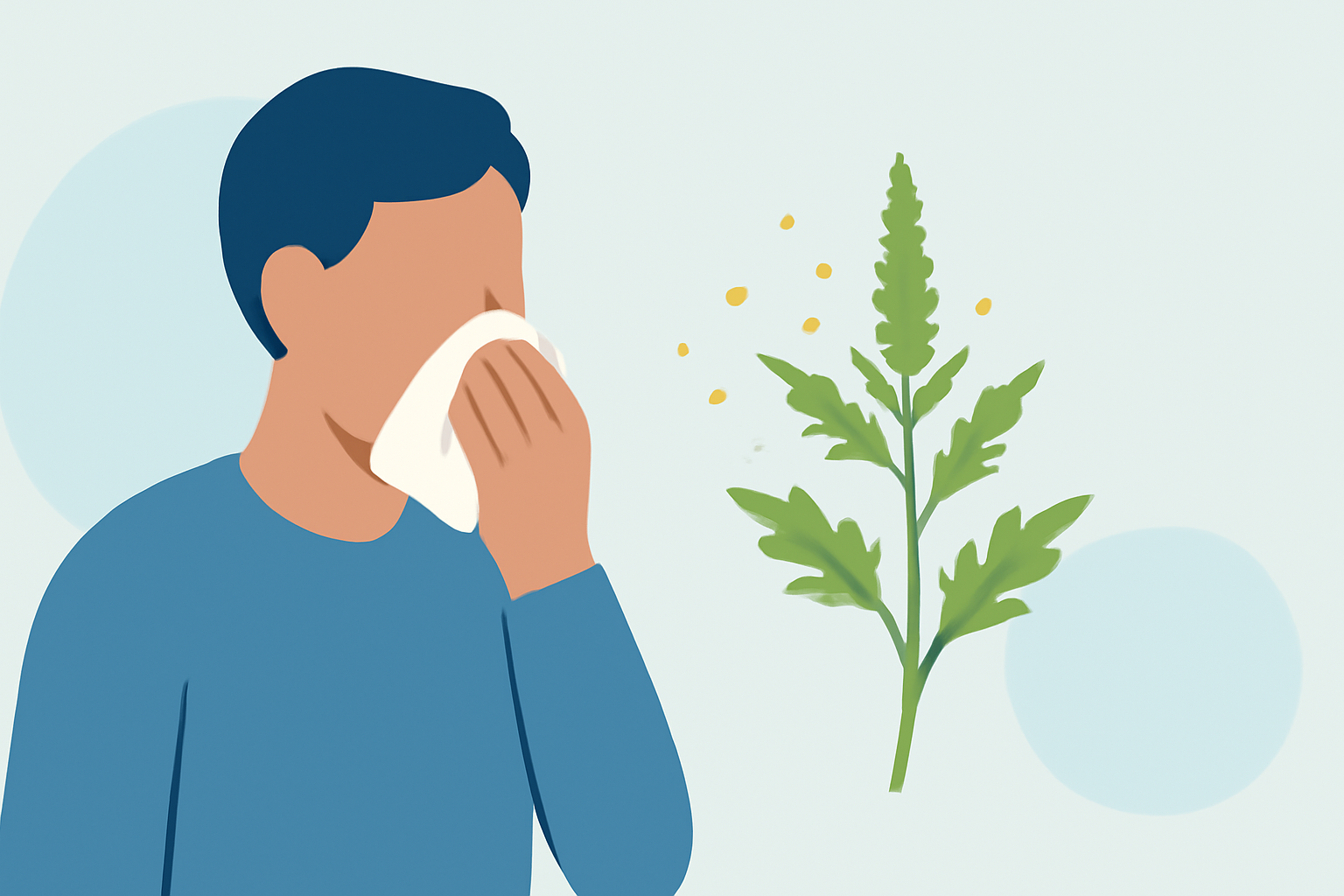
Ragweed pollen is a common allergen in the United States, especially during late summer and fall. Understanding its patterns and implementing strategies can help mitigate its impact during outdoor events.
What Is Ragweed Pollen?
Ragweed is a plant that releases pollen into the air, causing allergic reactions in many individuals. A single ragweed plant can produce up to a billion pollen grains in a season, and this lightweight pollen can travel hundreds of miles on the wind. (medicalnewstoday.com)
When Is Ragweed Pollen Season?
Ragweed pollen season typically begins in August and can last until the first hard frost, which varies by region. In southern states, where frost may not arrive until late November or December, ragweed season can extend well past the point where most people assume fall allergies are over. (biologyinsights.com)
How Does Ragweed Pollen Affect Outdoor Events?
During outdoor events, exposure to ragweed pollen can lead to symptoms such as sneezing, itchy eyes, runny nose, and congestion. These symptoms can significantly impact the enjoyment and success of outdoor activities.
Strategies to Minimize Ragweed Pollen Exposure at Outdoor Events
-
Monitor Pollen Forecasts: Before planning an outdoor event, check local pollen forecasts to choose days with lower ragweed pollen levels. (dyson.com)
-
Choose the Right Time: Ragweed pollen levels are typically highest in the morning, between 5 a.m. and 10 a.m. Scheduling events during midday or early afternoon can help reduce exposure. (biologyinsights.com)
-
Select Appropriate Locations: Opt for venues with well-maintained lawns and open spaces, as these areas may have lower pollen concentrations. Avoid locations with dense vegetation or blooming flowers that can release additional pollen. (dyson.com)
-
Implement Environmental Controls: If possible, use air purifiers with HEPA filters to reduce indoor pollen levels. Ensure that windows and doors are closed during high pollen periods to prevent pollen from entering indoor spaces. (childrensmn.org)
-
Personal Protective Measures: Attendees can wear sunglasses and wide-brimmed hats to protect their eyes from pollen. Using over-the-counter antihistamines or nasal sprays before the event can also help alleviate symptoms. (dyson.com)
-
Post-Event Hygiene: After attending an outdoor event, individuals should shower and change clothes to remove pollen from their bodies and clothing, reducing the risk of transferring pollen indoors. (pollen.com)
Conclusion
By understanding ragweed pollen patterns and implementing these strategies, organizers and attendees can significantly reduce the impact of pollen allergies during outdoor events, leading to a more enjoyable experience for all.
Highlights:
- Ragweed allergy: Symptoms, treatment, and prevention, Published on Thursday, April 12
- Is it Ragweed Allergy? | Avoiding Ragweed Season Allergies, Published on Sunday, December 04
- How to Beat Your Allergies During Ragweed Season | FSA Store