
Managing Ragweed Pollen Exposure During Your Commute
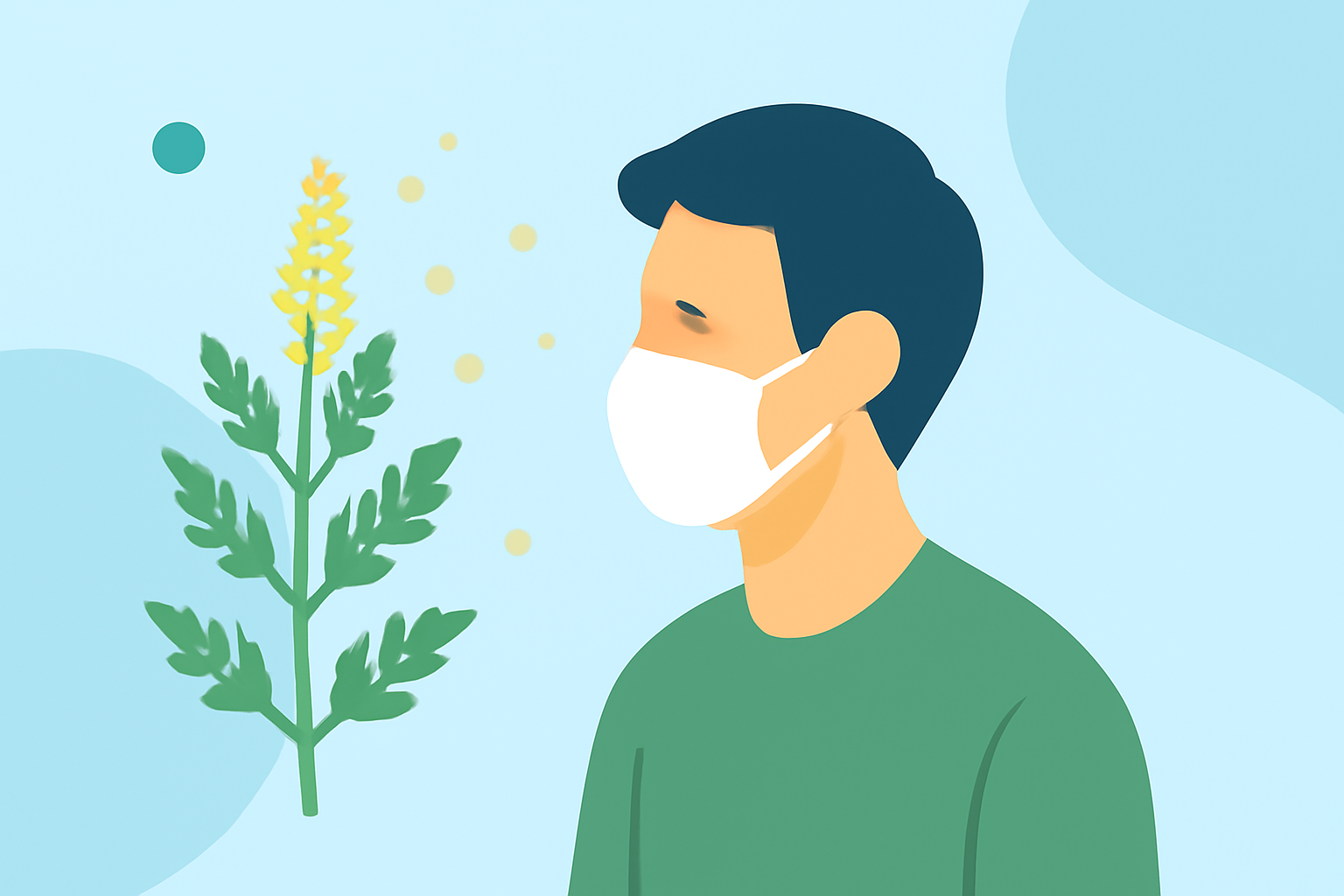
Ragweed pollen is a prevalent allergen in the United States, particularly during late summer and early fall. For commuters, exposure to ragweed pollen can lead to symptoms such as sneezing, runny nose, and itchy eyes. Understanding when and how to minimize exposure is crucial for managing these symptoms effectively.
When Is Ragweed Pollen Most Active?
Ragweed plants typically release pollen from late July through mid-October, with peak levels often occurring in September. Pollen counts are usually highest between 5 a.m. and 10 a.m., especially on dry, windy days. Monitoring local pollen forecasts can help you plan your commute to avoid peak exposure times. (nationaljewish.org)
How Can Commuters Reduce Exposure to Ragweed Pollen?
-
Keep Windows Closed: Whether at home or in your vehicle, keeping windows closed helps prevent pollen from entering. Using air conditioning with the recirculate setting can further reduce exposure. (iqair.com)
-
Use Air Purifiers: High-efficiency particulate air (HEPA) filters can capture pollen particles, improving indoor air quality. Consider using a HEPA filter in your vehicle if possible. (iqair.com)
-
Shower After Outdoor Activities: Rinse off pollen from your skin and hair to prevent transferring it indoors. Changing clothes after being outside can also help reduce indoor pollen levels. (nationaljewish.org)
-
Limit Outdoor Activities During High Pollen Times: If possible, schedule outdoor activities, including commuting, during times when pollen counts are lower, such as after a rainfall. (nationaljewish.org)
-
Wear Protective Gear: Wearing sunglasses and a hat can help shield your eyes and hair from pollen. In areas with high pollen levels, consider wearing a mask to reduce inhalation of pollen particles. (iqair.com)
How Can Commuters Stay Informed About Pollen Levels?
Utilize local pollen forecasts available through weather apps or websites to stay informed about pollen levels in your area. This information can assist in planning your commute and outdoor activities to minimize exposure. (dartmouth-health.org)
What Are the Symptoms of Ragweed Allergy?
Common symptoms include sneezing, runny nose, itchy or watery eyes, and coughing. In some cases, exposure can also lead to asthma exacerbations. If you experience these symptoms, especially during peak ragweed season, consult a healthcare professional for appropriate management strategies. (healthline.com)
How Can Commuters Manage Ragweed Allergy Symptoms?
-
Medications: Over-the-counter antihistamines can help alleviate symptoms. Nasal corticosteroids may also be effective. Always consult with a healthcare provider before starting any new medication. (healthline.com)
-
Allergy Shots: Immunotherapy, such as allergy shots, can help desensitize the immune system to ragweed pollen over time. Discuss this option with an allergist to determine if it's suitable for you. (healthline.com)
By implementing these strategies, commuters can effectively reduce their exposure to ragweed pollen, leading to a more comfortable and symptom-free commute.
Highlights:
- 2026 Allergy Forecast: When Will Pollen Be Bad Across the US? - YouTube, Published on Tuesday, March 03