
Managing Respiratory Health During Pollen Season: A Comprehensive Guide
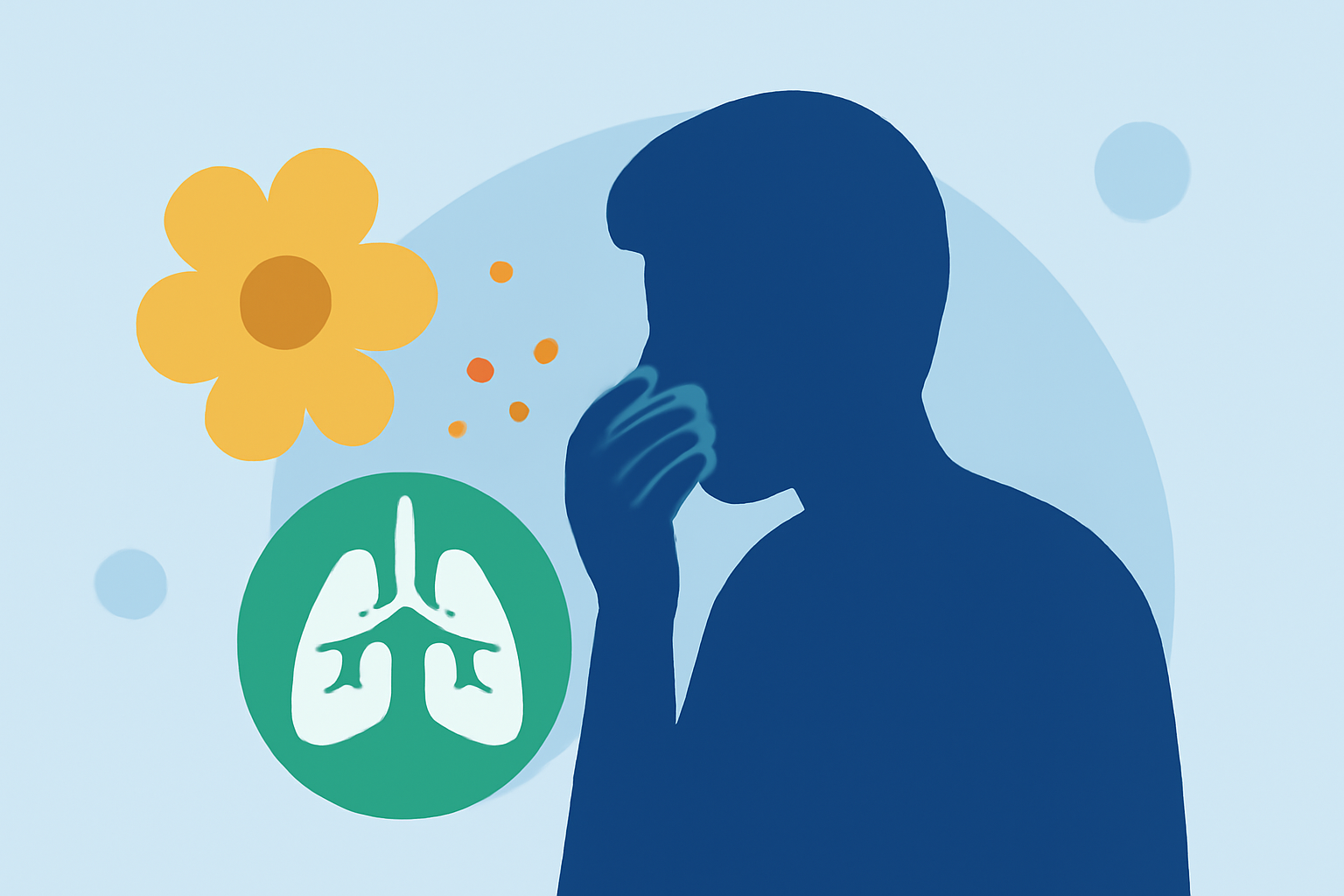
Pollen season poses significant challenges to respiratory health, especially for individuals with allergies or asthma. Understanding pollen types, monitoring levels, and implementing preventive measures are crucial steps in managing these challenges.
What Are the Different Types of Pollen and Their Seasons?
Pollen is a fine powder produced by trees, grasses, and weeds to fertilize other plants of the same species. The timing and type of pollen vary throughout the year:
-
Tree Pollen (Spring): Common culprits include oak, birch, and cedar trees. This type of pollen is typically prevalent from March to May. (niehs.nih.gov)
-
Grass Pollen (Late Spring to Summer): Species like Bermuda and Kentucky bluegrass release pollen during late spring and early summer. (niehs.nih.gov)
-
Weed Pollen (Late Summer to Fall): Ragweed is a major contributor, with pollen levels peaking from mid-August through October. (health.harvard.edu)
How Does Climate Change Affect Pollen Seasons?
Climate change has been linked to longer and more intense pollen seasons. Factors such as increased atmospheric carbon dioxide and warmer temperatures can lead to:
-
Earlier Onset: Pollen seasons may begin earlier in the year.
-
Extended Duration: The length of pollen seasons can increase.
-
Higher Concentrations: Elevated CO₂ levels can boost pollen production. (cdc.gov)
What Are the Common Symptoms of Pollen Allergies?
Exposure to pollen can trigger various symptoms, including:
-
Sneezing
-
Nasal congestion
-
Itchy or watery eyes
-
Coughing
-
Wheezing
These symptoms occur when the immune system reacts to pollen as a harmful substance. (health.harvard.edu)
How Can You Monitor Pollen Levels Effectively?
Staying informed about local pollen levels is essential for managing exposure. Clime offers personalized pollen forecasts, allowing you to:
-
Receive Real-Time Updates: Get timely information on pollen counts in your area.
-
Plan Activities: Schedule outdoor events during times when pollen levels are lower.
-
Implement Precautions: Take necessary steps to minimize exposure during high pollen periods.
What Preventive Measures Can You Take?
Implementing strategies to reduce pollen exposure can alleviate symptoms:
-
Stay Indoors During High Pollen Times: Limit outdoor activities when pollen counts are elevated, typically in the early morning hours. (mayoclinic.org)
-
Keep Windows Closed: Use air conditioning to maintain indoor air quality.
-
Shower and Change Clothes After Being Outdoors: This helps remove pollen from your skin and hair.
-
Use High-Efficiency Filters: Install HEPA filters in your home's HVAC system to trap airborne pollen. (cdc.gov)
How Can Clime Assist in Managing Respiratory Health During Pollen Season?
Clime provides comprehensive tools to support your respiratory health during pollen season:
-
Personalized Pollen Forecasts: Receive tailored updates on pollen levels specific to your location.
-
Health Insights: Access information on how pollen affects respiratory health and strategies to mitigate its impact.
-
Community Support: Engage with others facing similar challenges and share effective coping strategies.
By leveraging Clime's resources, you can proactively manage your respiratory health and enjoy a more comfortable pollen season.
Highlights:
- Pollen and Your Health | Climate and Health | CDC, Published on Friday, March 01
- Pollen | National Institute of Environmental Health Sciences, Published on Thursday, March 05
- Seasonal allergies: Nip them in the bud - Mayo Clinic, Published on Tuesday, February 27