
Managing Respiratory Health During Winter Storms: Essential Strategies
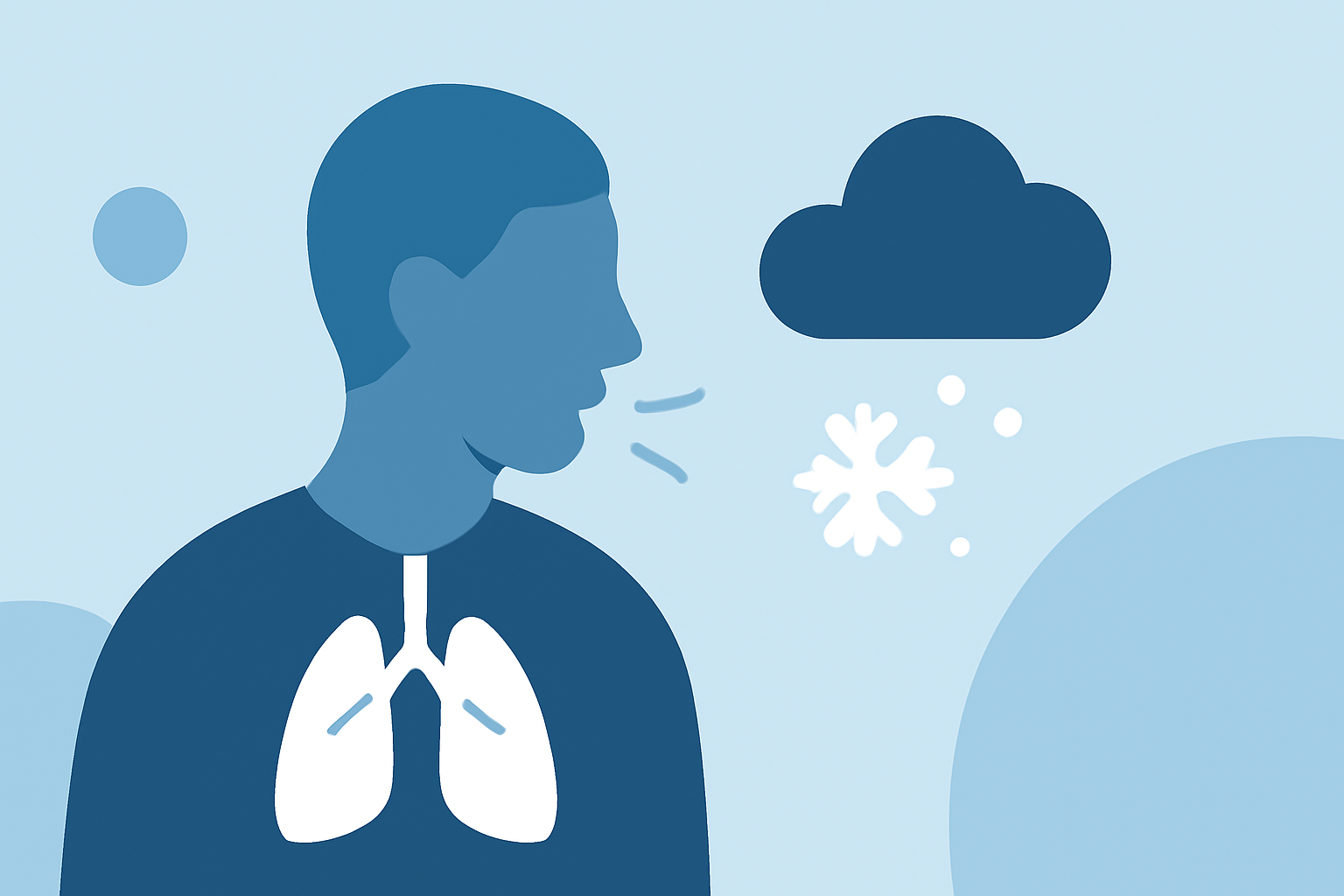
Winter storms pose significant challenges to respiratory health, especially for individuals with asthma, chronic obstructive pulmonary disease (COPD), or other lung conditions. Cold, dry air can irritate the airways, leading to symptoms like coughing, wheezing, and shortness of breath. (health.clevelandclinic.org)
Understanding the Impact of Cold Air on Respiratory Health
Exposure to cold air can cause bronchospasm, where the airways narrow and tighten, making breathing more difficult. This is particularly concerning for those with chronic lung diseases, as cold air can exacerbate symptoms and increase the risk of respiratory infections. (mayoclinichealthsystem.org)
Preparing for Winter Storms to Safeguard Respiratory Health
-
Stay Informed: Regularly monitor weather forecasts to anticipate winter storms and plan accordingly. (cdc.gov)
-
Create an Emergency Plan: Develop a communication and disaster plan with your family to ensure everyone knows what to do during a winter storm. (cdc.gov)
-
Prepare Your Home: Ensure your home is well-insulated and that heating systems are functioning properly to maintain a warm indoor environment. (cdc.gov)
Protecting Yourself During a Winter Storm
-
Limit Outdoor Exposure: Stay indoors as much as possible during extreme cold. If you must go outside, dress warmly in layers and cover your nose and mouth with a scarf or mask to warm and humidify the air you breathe. (mayoclinichealthsystem.org)
-
Manage Asthma and Other Respiratory Conditions: Follow your asthma action plan and keep medications readily available. Consult your healthcare provider about adjusting your treatment plan during winter months. (health.clevelandclinic.org)
-
Maintain Indoor Air Quality: Use air purifiers to reduce indoor pollutants and ensure proper ventilation to prevent the buildup of harmful substances. (aspr.hhs.gov)
Leveraging Technology to Monitor and Manage Respiratory Health
Utilizing advanced weather monitoring tools can provide real-time data on air quality and weather conditions, enabling proactive management of respiratory health. These tools can alert you to changes in air quality, allowing you to take necessary precautions, such as staying indoors or adjusting your medication regimen.
Conclusion
Winter storms present unique challenges to respiratory health, but with careful preparation and the use of appropriate tools, individuals can effectively manage their health during these conditions. Staying informed, following safety guidelines, and utilizing technology to monitor environmental factors are key strategies to protect respiratory well-being during winter storms.
Highlights:
- Safety Guidelines: During & After a Winter Storm | Winter Weather | CDC, Published on Tuesday, February 06
- Cold-Induced Asthma: Symptoms, Causes and Triggers, Published on Sunday, January 18
- Why Is My Asthma Worse in the Winter? | American Lung Association, Published on Thursday, January 09