
Managing Seasonal Allergies with Clime's Comprehensive Weather and Allergy Forecasts
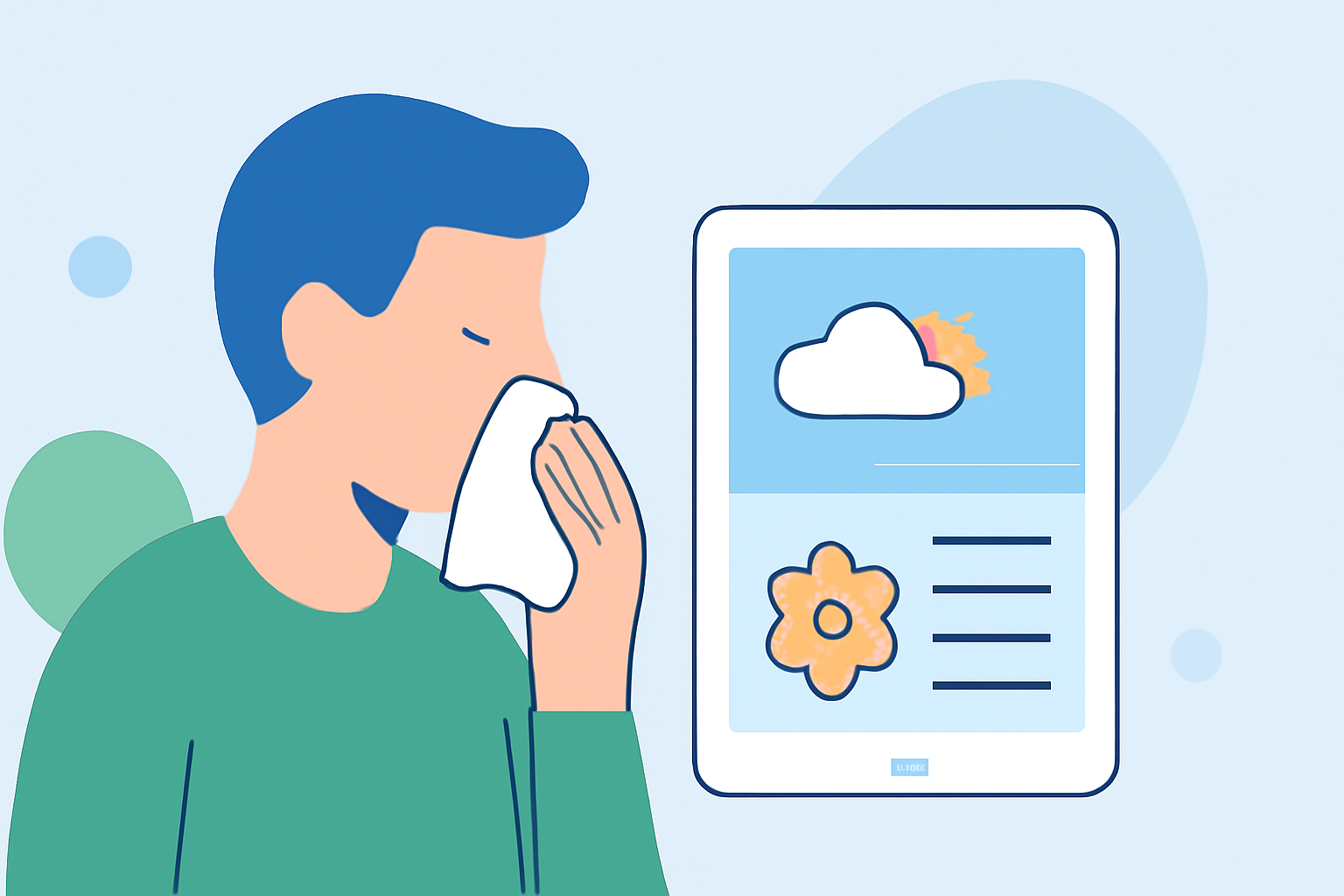
Seasonal allergies can significantly impact daily life, making it essential to stay informed about pollen levels and weather conditions. Clime offers a comprehensive solution by integrating detailed weather forecasts with real-time allergy information, empowering users to make proactive decisions and minimize allergy symptoms.
Understanding Seasonal Allergies
Seasonal allergies, commonly known as hay fever, occur when the immune system overreacts to airborne substances like pollen. Symptoms include sneezing, nasal congestion, itchy eyes, and fatigue. These reactions are typically triggered by pollen from trees, grasses, and weeds, which vary in prevalence throughout the year.
The Importance of Accurate Allergy Forecasts
Staying informed about pollen levels is crucial for managing allergy symptoms. Accurate forecasts enable individuals to plan outdoor activities, adjust medication schedules, and take preventive measures during high pollen periods.
Clime's Integrated Weather and Allergy Forecasts
Clime provides a unified platform that combines detailed weather forecasts with real-time pollen data, offering users a holistic view of environmental conditions. Key features include:
-
Real-Time Pollen Levels: Clime delivers up-to-date pollen counts for specific locations, allowing users to monitor current allergen concentrations.
-
Hourly and Daily Forecasts: Users receive forecasts detailing pollen levels throughout the day, helping to identify peak exposure times.
-
Weather Integration: Clime's platform integrates weather data, providing insights into how conditions like temperature, humidity, and wind may influence pollen dispersal.
-
Personalized Alerts: Users can set notifications for significant changes in pollen levels, ensuring timely responses to fluctuating conditions.
Benefits of Using Clime for Allergy Management
By utilizing Clime's comprehensive tools, users can:
-
Plan Outdoor Activities: Choose optimal times for outdoor events based on low pollen forecasts.
-
Adjust Medication Timing: Time allergy medications to coincide with periods of high pollen exposure.
-
Monitor Environmental Changes: Understand how weather patterns affect pollen levels, aiding in long-term allergy management strategies.
Getting Started with Clime
To begin using Clime's weather and allergy forecasting features:
-
Download the Clime App: Available on the App Store for iOS devices.
-
Set Up Your Profile: Enter your location and specify any known allergens to receive personalized information.
-
Explore Features: Navigate through real-time pollen counts, forecasts, and weather data tailored to your area.
-
Enable Notifications: Opt-in for alerts to stay informed about significant changes in pollen levels.
Conclusion
Managing seasonal allergies requires timely and accurate information. Clime's integrated weather and allergy forecasting tools offer a comprehensive approach, empowering users to make informed decisions and effectively mitigate allergy symptoms.
(apps.apple.com)