
Essential Guide to Managing Severe Weather During Hiking Trips
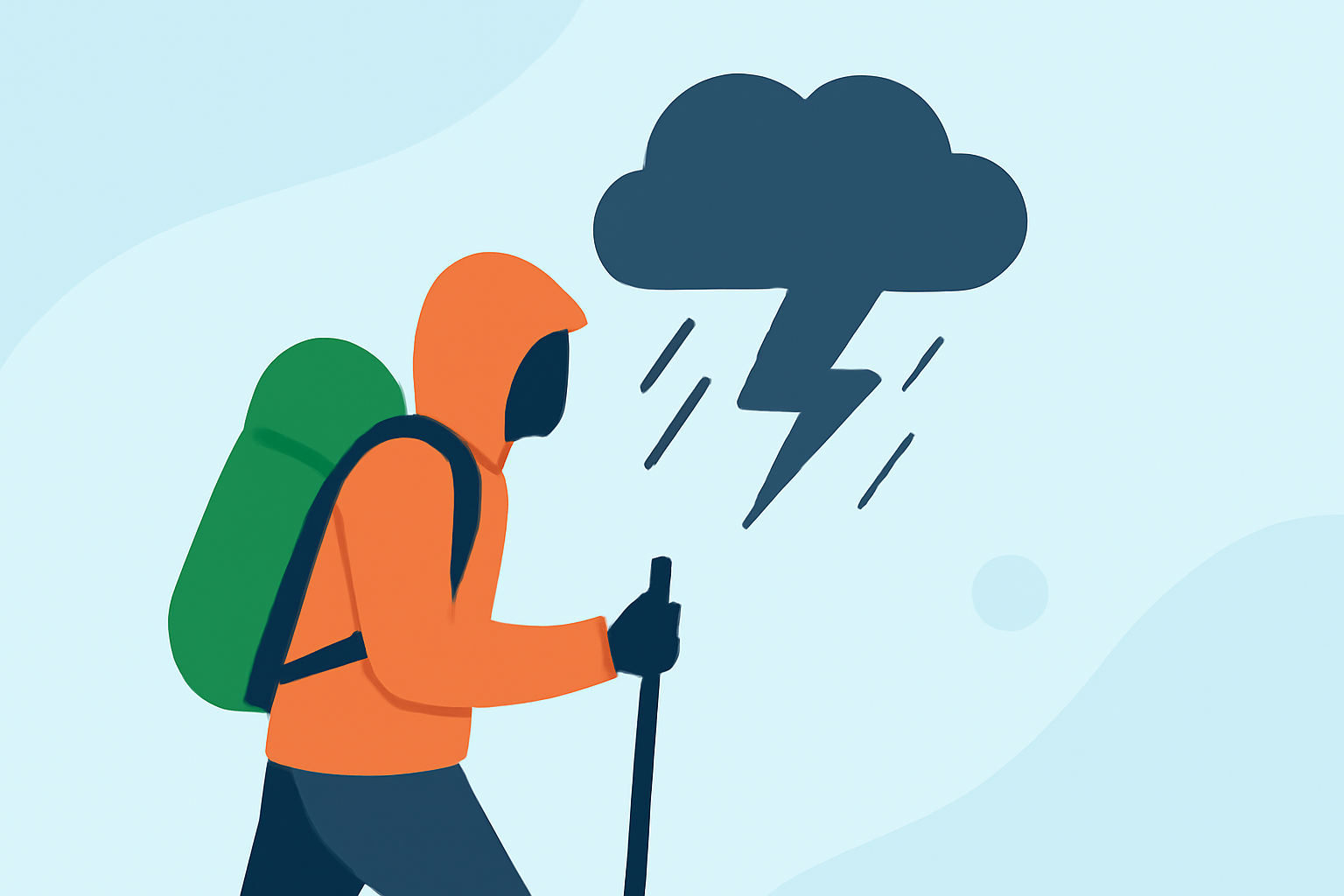
Hiking offers a refreshing escape into nature, but sudden severe weather can pose significant risks. Proper preparation and awareness are crucial for a safe hiking experience. This guide provides essential steps to manage severe weather during your hiking trips.
How Can I Prepare for Severe Weather Before My Hike?
1. Monitor Weather Forecasts
Before setting out, check the latest weather forecasts for your hiking area. Utilize reliable weather apps or websites that offer detailed, location-specific information. Some platforms provide hyper-local forecasts along your route, helping you anticipate conditions at various trail points. (trekweather.com)
2. Pack Appropriately
Dress in layers suitable for the expected weather. Include waterproof gear, such as jackets and pants, to stay dry during unexpected rain. Packing a lightweight, portable shelter can provide quick refuge if conditions worsen.
3. Inform Someone of Your Plans
Share your hiking itinerary, including start and end times, with a friend or family member. This ensures someone knows your whereabouts in case of emergencies.
What Should I Do During the Hike if Severe Weather Approaches?
1. Recognize Early Signs of Severe Weather
Stay vigilant for sudden changes in temperature, darkening skies, or increasing wind speeds. These can indicate an approaching storm.
2. Seek Shelter Promptly
If a storm is imminent, find shelter immediately. Avoid open areas, ridges, and hilltops, as they increase exposure to lightning. Dense forests or low-lying areas can offer protection, but steer clear of valleys that might flood. (dcr.virginia.gov)
3. Stay Informed
Use a portable weather radio or a smartphone with a reliable weather app to receive real-time updates. Some apps provide alerts for severe weather conditions, helping you make informed decisions.
How Can I Ensure My Safety During a Thunderstorm?
1. Understand Lightning Risks
Thunderstorms can develop rapidly, especially in mountainous regions. If you hear thunder, lightning is present, even if not immediately visible. Retreat to the safest terrain possible, such as a vehicle or a building with plumbing and electrical systems. (nps.gov)
2. Implement Lightning Safety Measures
If caught in an open area during a thunderstorm, crouch low with your feet together, minimizing contact with the ground. Avoid touching metal objects and stay away from water sources.
What Are the Risks of Hiking in Extreme Weather Conditions?
1. Hypothermia and Heatstroke
Rapid temperature changes can lead to hypothermia in cold conditions or heatstroke in hot conditions. Dress in moisture-wicking layers and stay hydrated to mitigate these risks.
2. Flash Flooding
Heavy rains can cause sudden flash floods, especially in canyons and valleys. Always check for flood warnings and avoid low-lying areas during storms.
How Can I Minimize the Impact of Severe Weather on My Hiking Plans?
1. Plan Flexible Itineraries
Allow for changes in your hiking schedule to accommodate weather conditions. Being flexible can help you avoid dangerous situations.
2. Choose Appropriate Trails
Select trails that match your skill level and are less prone to severe weather impacts. Research the area to understand its weather patterns and potential hazards.
3. Stay Educated
Regularly educate yourself on weather patterns and safety measures. Attend workshops or read materials from reputable sources to enhance your preparedness.
By proactively preparing and staying informed, you can navigate severe weather conditions safely and continue to enjoy your hiking adventures.
Highlights:
- How to be prepared outdoors when severe weather happens, Published on Monday, March 06
- Be a Weather-Ready Explorer - Health & Safety (U.S. National Park Service), Published on Tuesday, January 14
- Managing Extreme Mountain Weather | Appalachian Mountain Club (AMC), Published on Friday, August 11