
Managing Skin Health Amidst Humidity: Essential Tips for Travelers
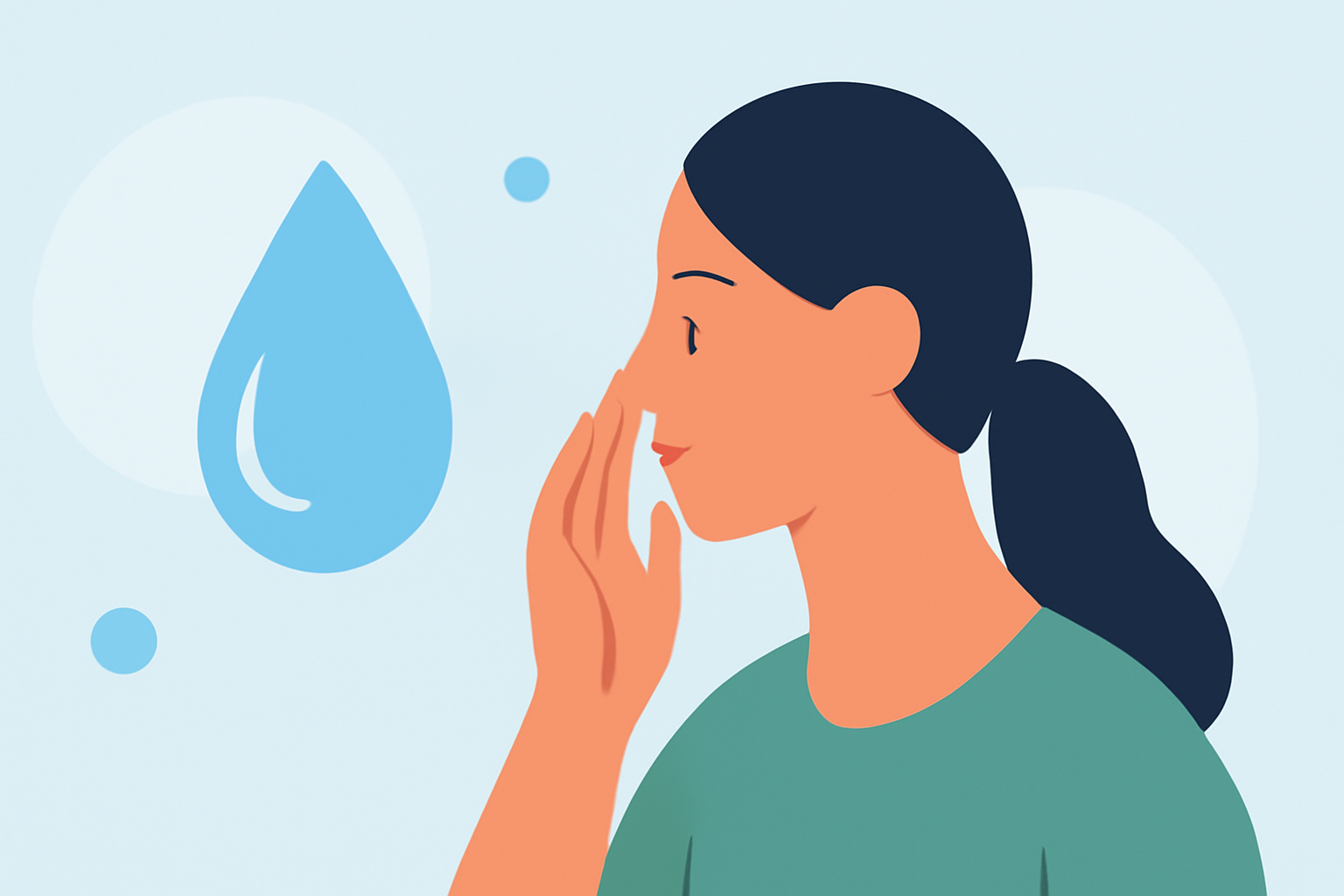
Traveling exposes your skin to diverse climates, each with unique humidity levels that can impact its health. Understanding these effects and adopting appropriate skincare practices can help maintain your skin's vitality throughout your journey.
How Does Humidity Affect Skin Health?
Low Humidity:
In environments with low humidity, such as airplane cabins, the air lacks moisture, leading to increased transepidermal water loss (TEWL). This process causes the skin to lose hydration, resulting in dryness, tightness, and potential irritation. The skin's barrier function can also weaken, making it more susceptible to environmental stressors. (jetsetbotanicals.com)
High Humidity:
Conversely, high humidity levels can cause the skin to absorb excess moisture from the air. While this may seem beneficial, it can lead to increased sebum production, potentially clogging pores and resulting in breakouts. Additionally, the skin's barrier function may become compromised, leading to irritation and sensitivity. (clinikally.com)
How Can Travelers Protect Their Skin?
1. Hydrate Adequately:
Regardless of the humidity level, maintaining proper hydration is crucial. Drinking plenty of water helps support skin hydration and overall health.
2. Adapt Your Skincare Routine:
-
In Low Humidity: Opt for rich moisturizers containing hyaluronic acid to attract and retain moisture. Applying a hydrating serum followed by a moisturizer can create a protective barrier against dehydration. (allure.com)
-
In High Humidity: Choose lightweight, non-comedogenic products to prevent pore blockage. Incorporate gentle exfoliation to remove dead skin cells and reduce the risk of clogged pores. (learnskin.com)
3. Protect Against UV Exposure:
Regardless of humidity, UV radiation can damage the skin. Apply a broad-spectrum sunscreen with at least SPF 30 daily to shield your skin from harmful rays.
4. Maintain a Consistent Skincare Routine:
Travel can disrupt your usual skincare regimen. To prevent skin issues, continue your routine as closely as possible, ensuring your skin receives the care it needs. (allure.com)
5. Choose Appropriate Clothing:
Wear breathable fabrics to allow your skin to breathe, especially in humid conditions. This can help reduce the risk of irritation and breakouts.
6. Be Mindful of Local Water Quality:
Water hardness varies by location and can affect skin health. In areas with hard water, consider using a gentle cleanser to minimize irritation. (allure.com)
How Does Clime Support Skin Health During Travel?
Clime offers a comprehensive suite of tools designed to assist travelers in managing their skincare routines effectively. By providing real-time weather updates, Clime helps users anticipate humidity levels at their destinations, enabling them to adjust their skincare practices accordingly. Additionally, Clime's travel planning features allow users to schedule skincare routines, set reminders for hydration, and access personalized skincare advice tailored to specific climates. This holistic approach ensures that travelers can maintain optimal skin health, regardless of their destination's humidity.
Conclusion
Understanding the impact of humidity on skin health is essential for travelers seeking to maintain their skin's vitality. By staying informed about local climate conditions and adapting your skincare routine, you can protect your skin from potential issues associated with varying humidity levels. Utilizing tools like Clime can further enhance your ability to manage skin health effectively during your travels.
Highlights:
- How to Prevent Your Skin from Breaking Out When You Travel — Skin Care Tips from Dermatologists | Allure, Published on Thursday, April 28
- The Science Behind Travel Skincare – JetSet Botanicals
- Travel and the effects on skin | Skin Care | Environ, Published on Sunday, July 21