
Managing Sulfur Dioxide Exposure During Workouts
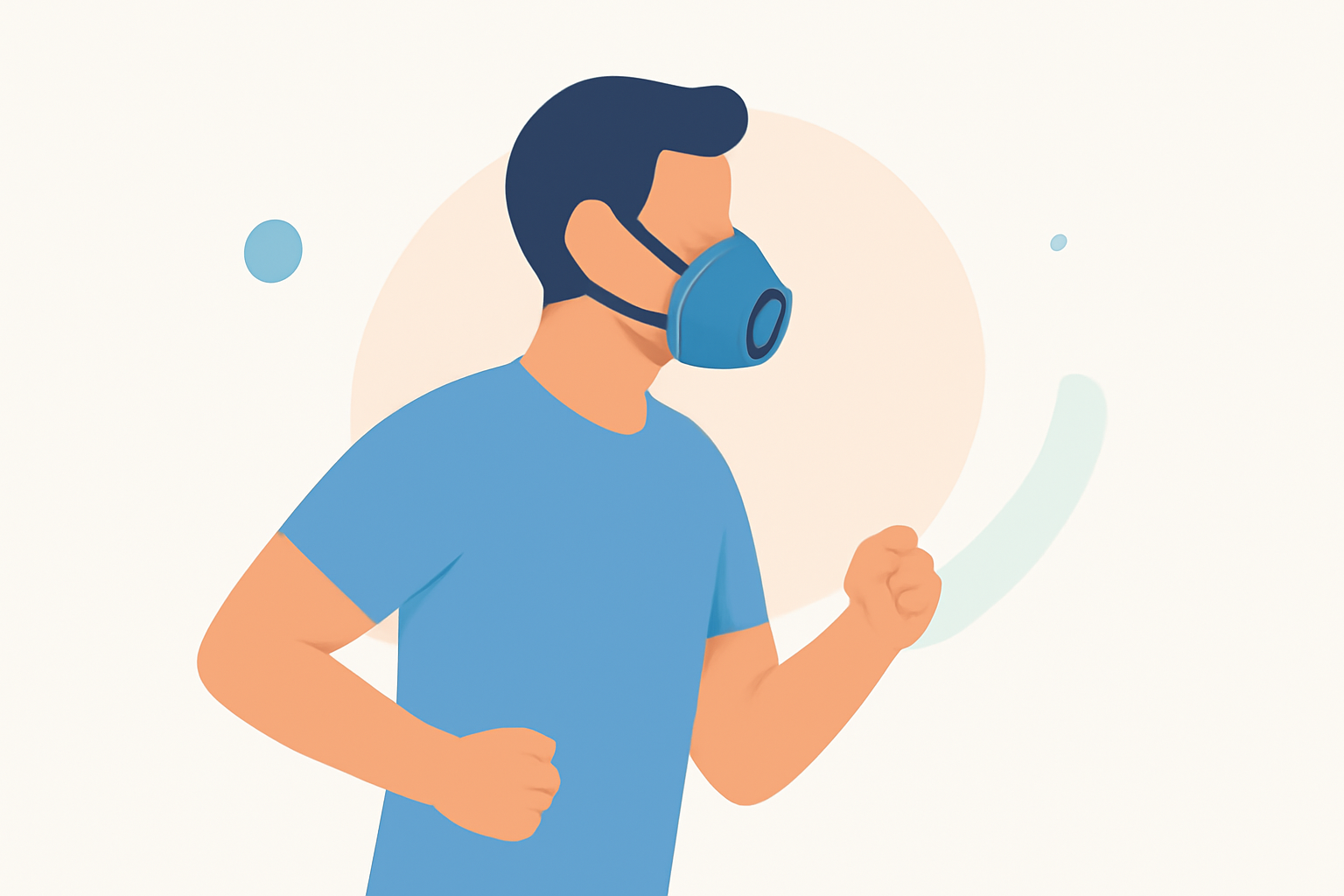
Sulfur dioxide (SO₂) is a colorless gas with a pungent odor, primarily produced by the combustion of sulfur-containing fuels like coal and oil. When inhaled, SO₂ can irritate the respiratory system, leading to symptoms such as coughing, throat irritation, and breathing difficulties. This is particularly concerning during physical activities, as increased breathing rates can elevate the intake of airborne pollutants. (lung.org)
How Does Sulfur Dioxide Affect Exercise?
During exercise, the body's demand for oxygen rises, leading to deeper and more frequent breaths. This heightened ventilation can result in a greater intake of pollutants like SO₂, which may cause:
-
Respiratory Irritation: Inhalation of SO₂ can lead to coughing, throat irritation, and shortness of breath.
-
Bronchoconstriction: Exposure to SO₂ during exercise can cause narrowing of the airways, making breathing more difficult. (pubmed.ncbi.nlm.nih.gov)
-
Worsening of Pre-existing Conditions: Individuals with asthma or other lung diseases may experience exacerbated symptoms when exposed to SO₂ during physical activity. (nps.gov)
Who Is at Risk?
Certain groups are more susceptible to the adverse effects of SO₂ exposure during exercise:
-
Individuals with Respiratory Conditions: Those with asthma, chronic bronchitis, or emphysema may experience heightened sensitivity to SO₂.
-
Children: Due to their developing respiratory systems and higher breathing rates, children are at increased risk. (nps.gov)
How to Minimize Exposure During Workouts
To reduce the impact of SO₂ on your workouts, consider the following strategies:
-
Monitor Air Quality: Stay informed about local air quality levels, especially during high-traffic times or in areas with industrial activity.
-
Choose Optimal Times and Locations: Opt for outdoor workouts during times when air pollution levels are lower, and select locations away from heavy traffic and industrial zones.
-
Consider Indoor Alternatives: During days with poor air quality, indoor exercise facilities with good ventilation can provide a safer environment.
-
Limit Intensity and Duration: On days with elevated SO₂ levels, reduce the intensity and duration of your workouts to minimize exposure.
-
Stay Hydrated: Drinking water can help alleviate some respiratory discomfort caused by air pollutants.
Conclusion
Being aware of sulfur dioxide levels and their potential impact on exercise is crucial for maintaining respiratory health. By monitoring air quality and adjusting your workout routines accordingly, you can continue to engage in physical activities while minimizing health risks.
Highlights:
- How air quality affects exercise performance and health | IQAir | IQAir USA