
Managing Tree Pollen Exposure During Outdoor Workouts
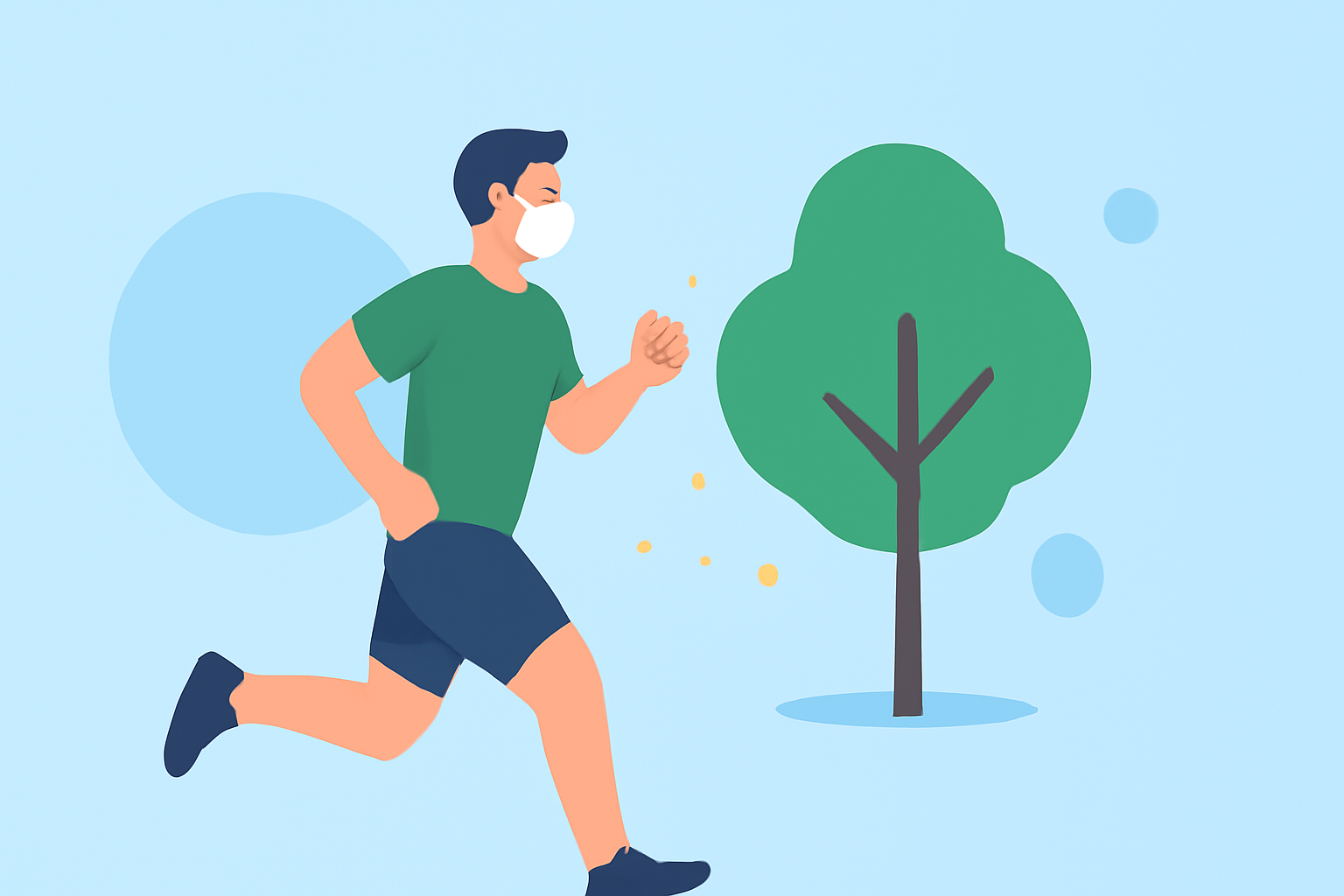
Engaging in outdoor workouts during tree pollen season can present challenges for individuals sensitive to allergens. Understanding the relationship between tree pollen and exercise is crucial for maintaining both performance and health.
Understanding Tree Pollen and Its Impact on Exercise
Tree pollen is a common allergen released by various trees during their reproductive cycles, typically in the spring months. For those with sensitivities, exposure can lead to symptoms such as sneezing, nasal congestion, and respiratory discomfort. These symptoms can be exacerbated during physical activities, especially outdoor exercises.
How Does Tree Pollen Affect Outdoor Workouts?
During vigorous exercise, breathing rates increase significantly, leading to higher inhalation of airborne particles, including pollen. This heightened exposure can intensify allergic reactions, potentially impairing exercise performance and overall well-being.
Strategies to Minimize Pollen Exposure During Workouts
-
Monitor Pollen Levels: Stay informed about local pollen counts, which can fluctuate daily and seasonally. Websites like the American Academy of Allergy, Asthma, and Immunology provide up-to-date pollen information. (aafa.org)
-
Choose Optimal Timing: Pollen levels often peak during midday and early afternoon. Opt for early morning or late evening workouts when pollen concentrations are typically lower. (healthline.com)
-
Select Appropriate Locations: Engage in activities at higher elevations or near bodies of water, where pollen levels may be reduced. Additionally, consider indoor workouts during high pollen periods. (healthline.com)
-
Wear Protective Gear: Utilize masks designed to filter out pollen particles, and consider wearing sunglasses to protect your eyes from allergens. (bcbstnews.com)
-
Maintain Personal Hygiene: After exercising outdoors, shower promptly to remove pollen from your skin and hair, and change into clean clothes to prevent indoor contamination. (bcbstnews.com)
-
Consult Healthcare Professionals: If allergies significantly impact your exercise routine, seek advice from healthcare providers regarding appropriate medications or treatments to manage symptoms effectively.
Conclusion
While tree pollen can pose challenges for outdoor workouts, implementing proactive strategies can help mitigate its effects. By staying informed, choosing optimal times and locations, and taking preventive measures, individuals can continue to enjoy their fitness routines with reduced discomfort.
Highlights:
- 6 Ways to Exercise Outside With Allergies, Published on Tuesday, January 21
- Guide to exercising outdoors with allergies - BCBST News Center
- How to Prepare for Outdoor Activities Despite Allergies, Published on Monday, April 01