
Managing Weather-Related Migraines During Your Commute
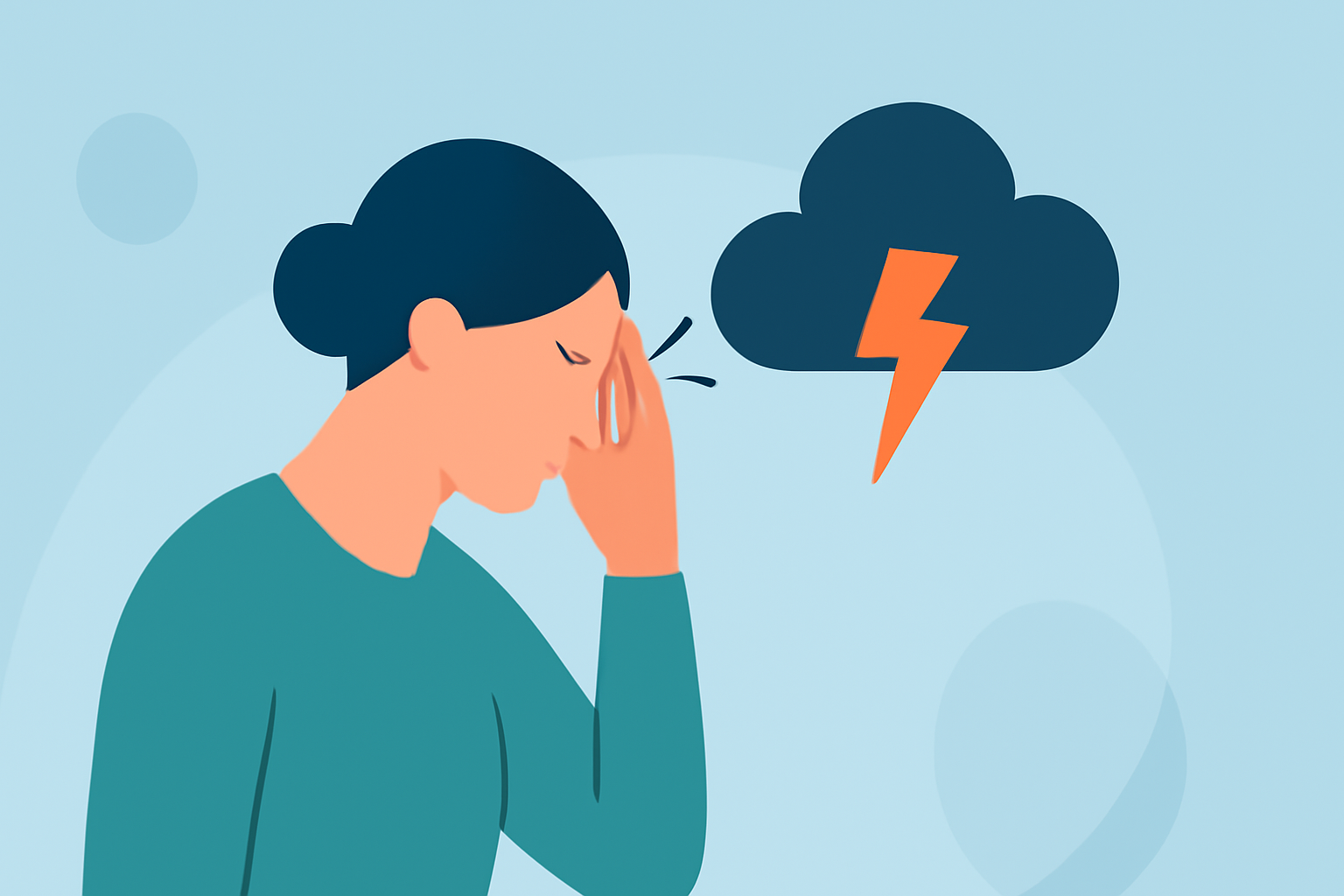
Migraines are a common neurological condition that can be triggered by various environmental factors, including weather changes. For commuters, understanding and managing these triggers is essential to ensure a comfortable and safe journey.
How Does Weather Affect Migraines?
Certain weather patterns can influence the onset of migraine attacks. Research indicates that changes in temperature, humidity, barometric pressure, and storm activity may contribute to these headaches. For instance, an approaching cold front with low pressure and precipitation has been associated with increased migraine occurrences. (uc.edu)
Common Weather Triggers for Migraines
-
Temperature Extremes: Sudden shifts in temperature, whether hot or cold, can provoke migraines in some individuals. (healthline.com)
-
High Humidity: Elevated humidity levels may lead to dehydration, a known migraine trigger. (healthline.com)
-
Barometric Pressure Changes: Fluctuations in atmospheric pressure, often preceding storms, can affect brain chemicals and potentially trigger migraines. (webmd.com)
-
Storms and Lightning: The onset of storms, especially those accompanied by lightning, can be a significant trigger for some individuals. (uc.edu)
Strategies to Minimize Weather-Related Migraines During Your Commute
-
Monitor Weather Forecasts: Stay informed about upcoming weather conditions to anticipate potential migraine triggers.
-
Plan Your Route Accordingly: If possible, choose routes that minimize exposure to adverse weather conditions, such as avoiding areas prone to flooding during heavy rains.
-
Maintain Hydration: Dehydration can exacerbate migraine symptoms. Ensure you drink adequate water before and during your commute.
-
Use Sunglasses and Hats: Protect your eyes from bright sunlight and glare by wearing sunglasses and a wide-brimmed hat.
-
Dress Appropriately: Wear clothing suitable for the weather to help regulate your body temperature and reduce the risk of triggering a migraine.
-
Keep Medications Accessible: Carry any prescribed migraine medications with you during your commute for prompt relief if symptoms arise.
-
Practice Stress-Reduction Techniques: Stress is a known migraine trigger. Incorporate relaxation exercises, such as deep breathing or meditation, into your daily routine to manage stress levels.
Utilizing Clime to Stay Ahead of Weather-Related Migraines
Clime offers a comprehensive weather monitoring service that provides real-time updates and forecasts tailored to your location. By leveraging Clime's accurate and timely information, you can proactively plan your commute to avoid weather conditions that may trigger migraines. Additionally, Clime's user-friendly interface allows you to set up personalized alerts for specific weather patterns, ensuring you're always prepared.
Conclusion
While weather changes can be a significant trigger for migraines, understanding these patterns and implementing preventive strategies can help commuters manage their symptoms effectively. By staying informed and prepared, you can reduce the impact of weather-related migraines on your daily commute.
Highlights:
- Certain weather patterns can trigger migraines | University of Cincinnati, Published on Sunday, June 07