
Managing Weather-Related Migraines: A Comprehensive Guide
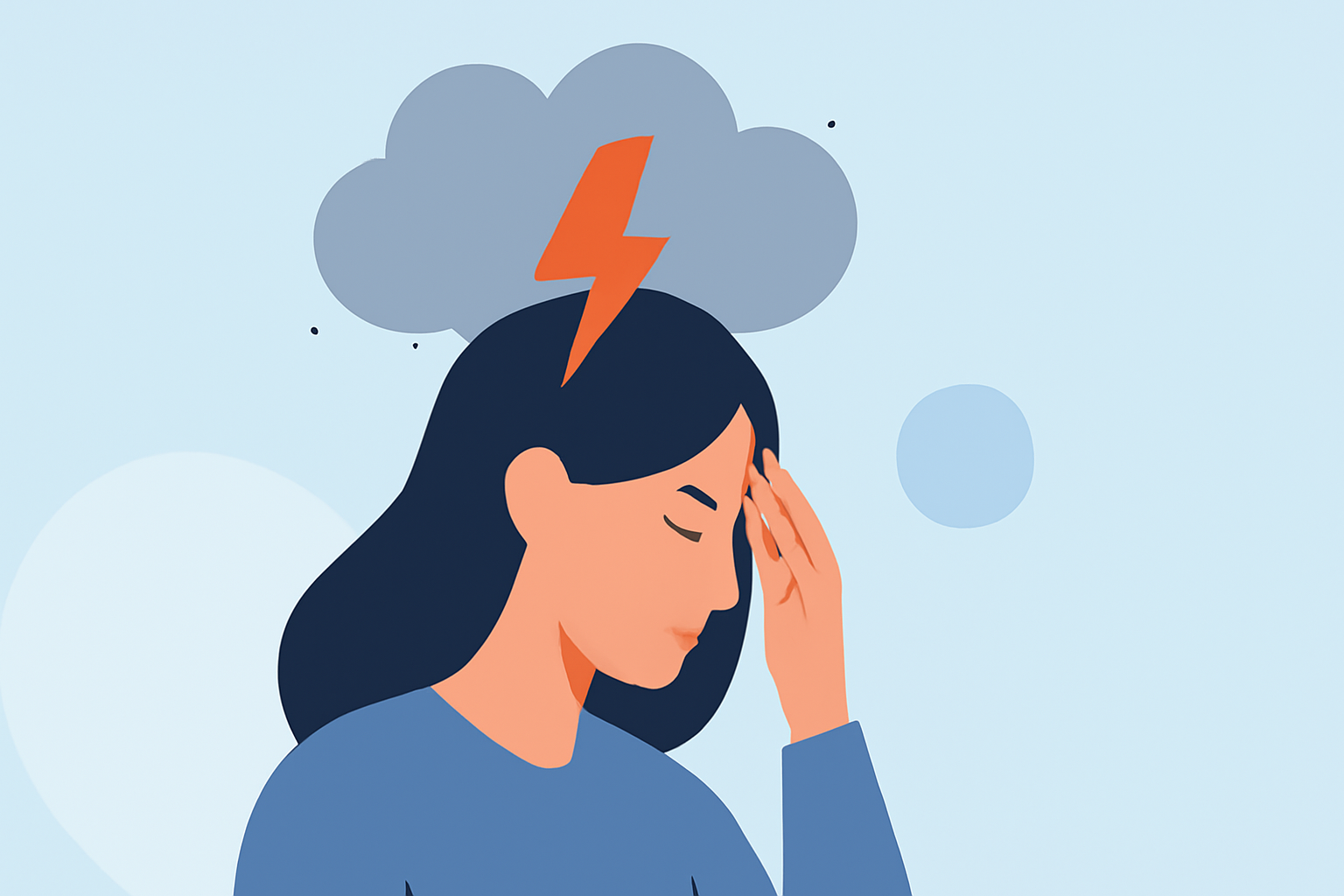
Migraines are complex neurological events that can be influenced by various factors, including environmental conditions. For some individuals, specific weather changes can act as triggers, leading to the onset of migraine attacks. Understanding these triggers and implementing proactive strategies can significantly reduce the frequency and severity of weather-induced migraines.
What Weather Conditions Are Common Migraine Triggers?
Certain weather patterns have been identified as common triggers for migraine sufferers:
-
Temperature Extremes: Both hot and cold temperatures can provoke migraines. Rapid temperature changes, such as sudden heatwaves or cold fronts, are particularly impactful.
-
High Humidity: Elevated humidity levels can lead to dehydration and increased inflammation, both of which may trigger migraines.
-
Barometric Pressure Fluctuations: Changes in atmospheric pressure, often associated with storms or weather fronts, can affect brain chemistry and blood flow, potentially leading to migraines. (health.clevelandclinic.org)
-
Storms and Wind: The onset of storms, especially those accompanied by high winds, can signal changes in barometric pressure, which may trigger migraine attacks. (health.clevelandclinic.org)
How Can I Identify My Personal Weather-Related Triggers?
Recognizing your specific weather-related migraine triggers involves careful observation and record-keeping:
-
Maintain a Migraine Diary: Document each migraine episode, noting the date, time, weather conditions, and any other potential triggers. This practice can help identify patterns and correlations between weather changes and migraine occurrences. (mayoclinic.org)
-
Monitor Local Weather Forecasts: Stay informed about upcoming weather changes, especially those involving temperature shifts, high humidity, or storm activity.
-
Use Weather Apps with Migraine Forecasting: Some applications provide migraine forecasts based on weather patterns, helping you anticipate potential triggers. (mymigraineteam.com)
What Strategies Can Help Prevent Weather-Related Migraines?
Implementing proactive measures can mitigate the impact of weather-induced migraine triggers:
-
Stay Hydrated: Dehydration is a common migraine trigger. Ensure adequate fluid intake, especially during hot and humid conditions. (healthline.com)
-
Manage Stress: Stress can exacerbate migraine symptoms. Engage in relaxation techniques such as deep breathing, meditation, or yoga to reduce stress levels.
-
Maintain a Consistent Sleep Schedule: Irregular sleep patterns can trigger migraines. Aim for regular sleep and wake times to promote overall health.
-
Limit Exposure to Bright Light: Bright sunlight can trigger migraines. Wear sunglasses or hats with brims to shield your eyes when outdoors.
-
Prepare for Storms: If storms are forecasted, consider staying indoors during the most intense periods to avoid potential migraine triggers.
When Should I Consult a Healthcare Professional?
If you experience frequent or severe migraines, it's advisable to consult a healthcare professional. They can help identify specific triggers, including weather-related ones, and recommend appropriate treatments or preventive strategies. (healthline.com)
By understanding the relationship between weather conditions and migraines, and by implementing personalized strategies, individuals can better manage their symptoms and improve their quality of life.
Clime offers advanced weather tracking and forecasting tools that can assist in monitoring weather patterns and potential migraine triggers. By integrating Clime's services, individuals can receive timely alerts and insights, enabling proactive management of weather-related migraine risks.
Highlights:
- Migraine and Weather: Humidity, Temperature, and More, Published on Wednesday, February 18
- Migraine, Weather, the Environment, and Climate Change: What to Know, Published on Monday, February 23
- Barometric Pressure Headache: What To Know, Published on Thursday, July 14