
A Comprehensive Guide to Managing Weather Risks in Outdoor Construction Projects
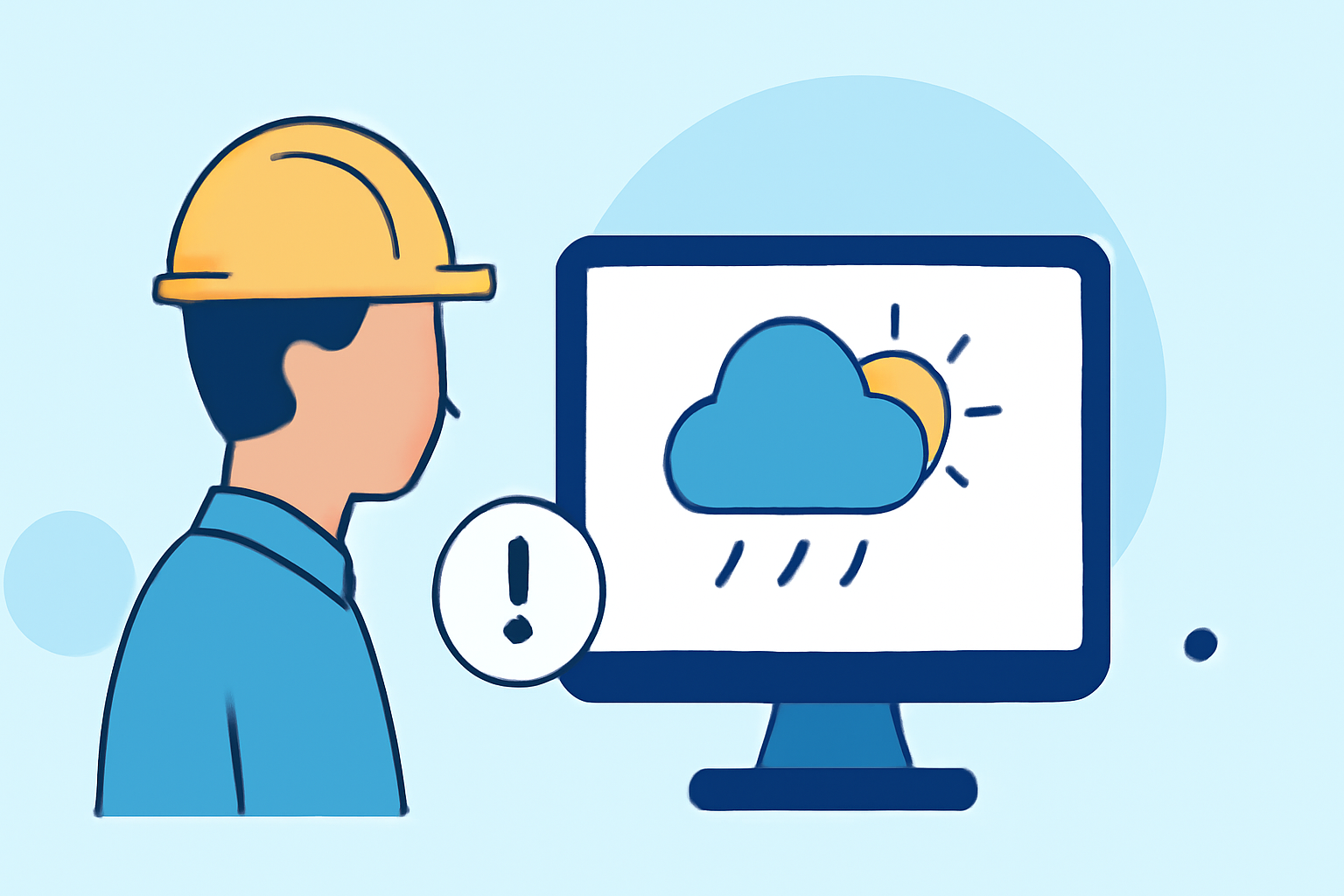
Weather conditions significantly impact outdoor construction projects, affecting timelines, safety, and costs. Understanding and managing these weather risks is crucial for successful project execution.
Understanding Weather Risks in Construction
Weather-related delays are a leading cause of project setbacks, costing the construction industry billions annually. Adverse conditions such as heavy rainfall, extreme temperatures, and high winds can halt work, damage materials, and pose safety hazards. Proactive weather risk management is essential to mitigate these impacts.
Steps to Manage Weather Risks Effectively
- Assess Historical Weather Data
Begin by analyzing historical weather patterns for your project's location. This data provides insights into typical weather conditions during the construction period, helping identify potential risks.
- Utilize Advanced Weather Forecasting Tools
Leverage specialized weather forecasting platforms designed for construction projects. These tools offer hyper-localized forecasts, real-time alerts, and predictive analytics tailored to construction needs. For instance, platforms like WeatherWise provide day-by-day working/non-working calendars and probabilistic risk modeling, integrating with existing scheduling tools to enhance decision-making. (ehab.co)
- Integrate Weather Data into Project Planning
Incorporate weather forecasts into your project schedule to anticipate and plan for potential delays. Adjust timelines and resource allocation based on predicted weather events to maintain project momentum.
- Implement Site-Specific Weather Monitoring
Install on-site weather monitoring systems to receive real-time data on conditions affecting your construction site. This approach allows for immediate response to changing weather patterns, ensuring safety and minimizing downtime.
- Develop Contingency Plans
Create contingency plans that outline procedures for adverse weather scenarios. These plans should include safety protocols, communication strategies, and steps to protect materials and equipment.
- Train Your Team
Ensure that all team members are trained to recognize and respond to weather-related risks. Regular training sessions can prepare the crew to handle unexpected weather events effectively.
Leveraging Technology for Weather Risk Management
Advancements in technology have led to the development of specialized tools that assist in managing weather risks:
-
WeatherWise Platform: Offers comprehensive weather risk management solutions, including weather calendars, probabilistic risk modeling, and real-time forecasting, integrating seamlessly with existing project management tools. (ehab.co)
-
Ilystics: Provides data-driven estimating tools that combine historical meteorological data with geotechnical logic to predict weather-related delays, aiding in more accurate project planning. (ilystics.com)
-
SpotClimate: Delivers micro-weather conditions at a 5-meter resolution, offering site-specific forecasts to help avoid delays and make data-driven decisions. (spotclimate.io)
Conclusion
Effectively managing weather risks in outdoor construction projects requires a proactive approach, integrating historical data analysis, advanced forecasting tools, and comprehensive planning. By leveraging specialized platforms and technologies, construction teams can anticipate weather-related challenges, make informed decisions, and keep projects on track.
For a visual explanation of how rain disrupts outdoor construction projects, you might find this video informative: