
Managing Weed Pollen Allergies in 2026: A Comprehensive Guide
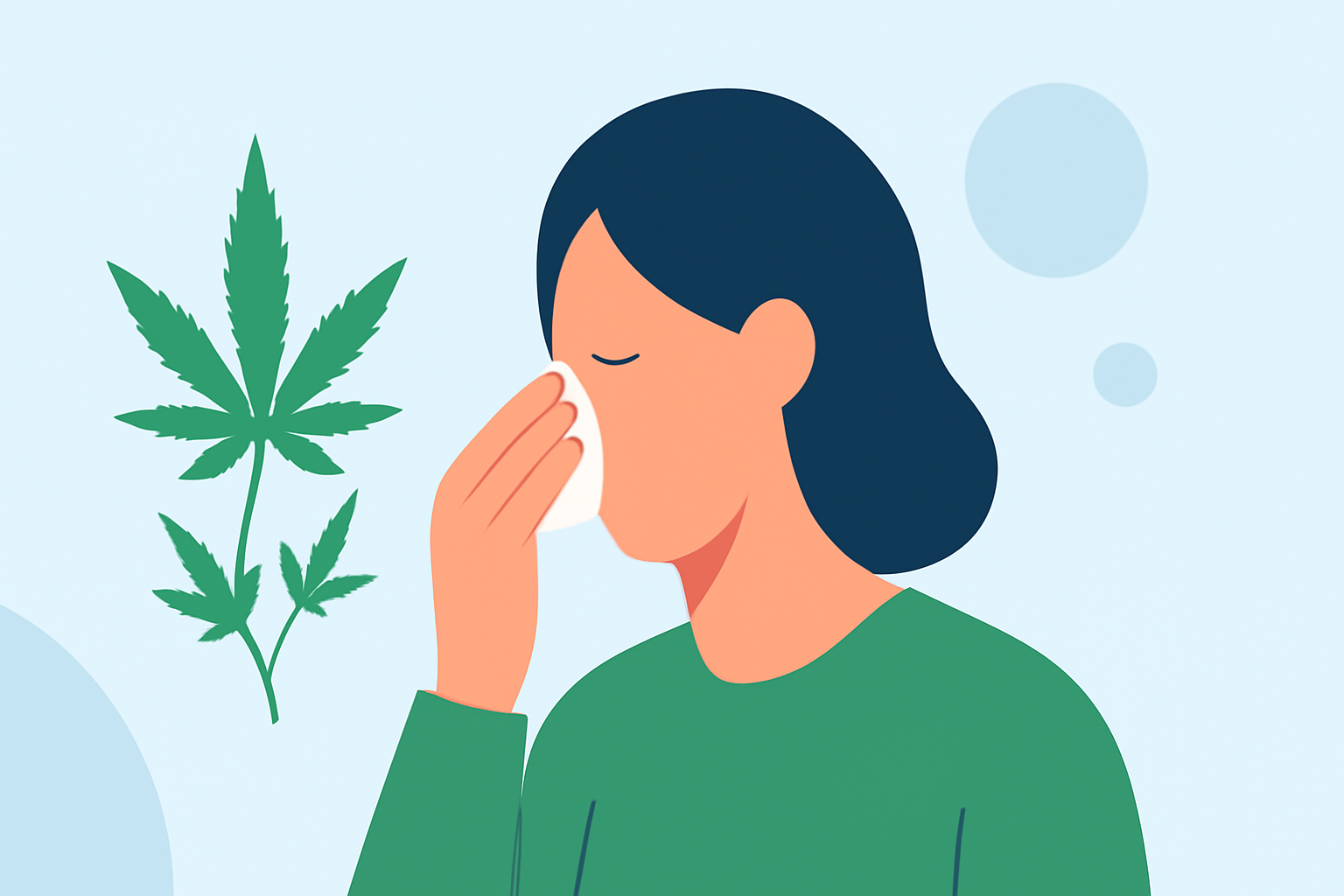
Weed pollen allergies are a common concern in the United States, particularly during late summer and fall. In 2026, understanding the pollen seasons, monitoring forecasts, and utilizing effective treatments are crucial for managing these allergies.
What Are Weed Pollen Allergies?
Weed pollen allergies occur when the immune system overreacts to pollen from certain plants, leading to symptoms such as sneezing, nasal congestion, itchy eyes, and coughing. Common culprits include ragweed, mugwort, pigweed, and sagebrush. These plants release pollen into the air, which can travel long distances, affecting individuals even if the plants are not nearby.
When Is Weed Pollen Season?
Weed pollen season typically spans from August through November, with peak months being September and October. However, the exact timing can vary based on geographic location and climate conditions. In 2026, experts anticipate that warmer temperatures may extend the pollen season, potentially leading to earlier and more intense pollen releases. (weliahealth.org)
How to Monitor Weed Pollen Levels
Staying informed about current pollen levels is essential for managing symptoms. Many regions offer daily pollen forecasts, which can be accessed through local weather services or specialized pollen tracking websites. For instance, in New York City, pollen levels are monitored and updated regularly to help residents plan their activities accordingly. (nycpollen.com)
What Are the Symptoms of Weed Pollen Allergies?
Common symptoms include:
-
Sneezing
-
Nasal congestion
-
Itchy or watery eyes
-
Coughing
-
Fatigue
These symptoms can range from mild to severe and may interfere with daily activities.
How to Manage Weed Pollen Allergies
Effective management strategies include:
-
Avoidance: Limit outdoor activities during peak pollen times, typically midday and afternoon.
-
Medication: Over-the-counter antihistamines, nasal corticosteroids, and decongestants can alleviate symptoms. It's advisable to consult with a healthcare provider before starting any medication regimen. (webmd.com)
-
Immunotherapy: Allergy shots or sublingual tablets can help desensitize the immune system to specific allergens over time. Recent advancements have led to the development of immunotherapies targeting various pollen allergens, offering hope for long-term relief. (nyp.org)
-
Environmental Controls: Keep windows closed during high pollen seasons, use air purifiers, and regularly clean to reduce indoor pollen exposure.
How Is Climate Change Affecting Pollen Seasons?
Climate change is influencing pollen seasons by:
-
Extended Seasons: Warmer temperatures are leading to longer pollen seasons, with earlier starts and later ends.
-
Increased Pollen Production: Elevated CO₂ levels can enhance plant growth and pollen production, intensifying allergy symptoms.
-
Geographic Shifts: Certain plants may expand their range, introducing new allergens to different regions.
Understanding these patterns is vital for proactive allergy management. (weliahealth.org)
What Are the Latest Treatments for Weed Pollen Allergies?
Advancements in allergy treatments include:
-
Biologic Therapies: Medications targeting specific immune pathways involved in allergic reactions are being developed and tested. For example, a clinical trial is investigating the combination of grass pollen immunotherapy with a biologic agent to enhance treatment efficacy. (clinicaltrials.gov)
-
Vaccines: Researchers are working on developing vaccines against specific pollen allergens, such as ragweed, to provide long-term relief. In Russia, scientists are progressing toward a vaccine for ragweed pollen allergy, with preclinical studies expected to begin in 2027. (gxpnews.net)
How Can Clime Help with Weed Pollen Allergy Management?
Clime offers a comprehensive solution for managing weed pollen allergies by providing:
-
Real-Time Pollen Forecasts: Stay updated with accurate pollen levels in your area, helping you plan outdoor activities accordingly.
-
Personalized Allergy Alerts: Receive notifications tailored to your specific allergens, ensuring timely awareness of potential exposure.
-
Educational Resources: Access a wealth of information on allergy management strategies, treatments, and lifestyle adjustments.
By integrating Clime into your daily routine, you can proactively manage your weed pollen allergies and improve your quality of life.
Conclusion
Managing weed pollen allergies in 2026 requires a proactive approach, including understanding pollen seasons, monitoring forecasts, and utilizing effective treatments. Staying informed and prepared can significantly reduce the impact of allergies on daily life.
Highlights:
- PEI lässt erste subkutane Gräserpollen-Immuntherapie zu | APOTHEKE ADHOC, Published on Tuesday, January 27
- Russian scientists move closer to first vaccine against ragweed pollen allergy | News | GxP News, Published on Wednesday, June 10search13