
Comprehensive Guide to Managing Weed Pollen Allergies in the United States
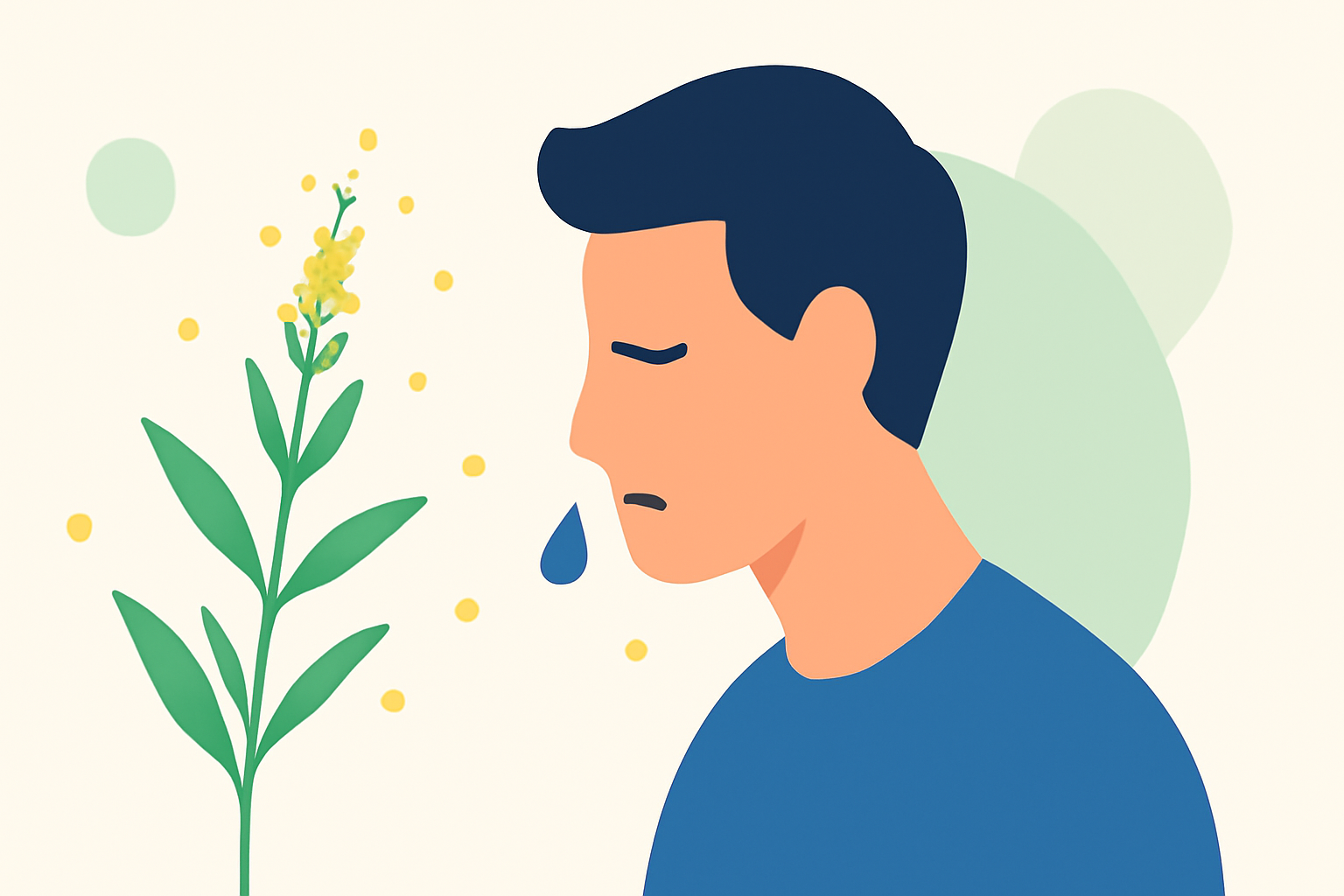
Weed pollen allergies, commonly known as hay fever, affect millions of individuals in the United States, particularly during late summer and fall when certain weeds release pollen into the air. Understanding the nature of these allergies and implementing effective management strategies can significantly improve quality of life.
What Are Weed Pollen Allergies?
Weed pollen allergies occur when the immune system overreacts to pollen from specific weeds, leading to symptoms such as sneezing, nasal congestion, itchy eyes, and fatigue. Common weeds responsible for these allergies include ragweed, pigweed, sagebrush, and lamb's quarters.
When Do Weed Pollen Levels Peak?
In the United States, weed pollen levels typically rise in late summer and peak in the fall. The exact timing can vary based on geographic location and climate conditions. For instance, ragweed pollen is prevalent from August to November in many regions.
How Can I Monitor Weed Pollen Levels?
Monitoring local pollen levels is crucial for effective allergy management. Several tools and apps provide real-time pollen forecasts and allergy tracking:
-
Aeras: Offers hyper-local pollen forecasts, a personal symptom tracker, and daily outdoor planning features. (aerasapp.com)
-
AirScope: Provides real-time and forecast air quality data, daily pollen counts, and five-day allergy forecasts. (play.google.com)
-
Allergy Ava: Delivers pollen forecasts with allergen breakdowns and 5-day outlooks, along with expert health resources. (allergyava.com)
-
PollenPal: Shows real-time pollen levels, a 7-day pollen forecast, hourly breakdowns, and a hay fever season tracker. (pollenpal.online)
-
Pollen Wise: Provides hourly allergen reports, customizable allergen tracking, and a symptom log. (apps.apple.com)
What Are Effective Preventive Measures?
Implementing preventive strategies can help minimize exposure to weed pollen:
-
Stay Informed: Regularly check local pollen forecasts to anticipate high pollen days.
-
Limit Outdoor Activities: On days with high pollen counts, reduce outdoor activities, especially during midday and afternoon when pollen levels are highest.
-
Keep Windows Closed: Keep windows in your home and car closed to prevent pollen from entering.
-
Use Air Purifiers: Utilize air purifiers with HEPA filters to reduce indoor pollen levels.
-
Shower After Outdoor Exposure: Wash your hair and change clothes after spending time outdoors to remove pollen residues.
What Are the Treatment Options?
Treatment options for weed pollen allergies include:
-
Antihistamines: Medications that reduce allergy symptoms.
-
Nasal Corticosteroids: Sprays that decrease inflammation in nasal passages.
-
Decongestants: Medications that relieve nasal congestion.
-
Allergen Immunotherapy: A treatment that gradually desensitizes the immune system to specific allergens.
It's essential to consult with a healthcare provider to determine the most appropriate treatment plan based on individual health needs.
How Can Clime Assist in Managing Weed Pollen Allergies?
Clime offers a comprehensive suite of tools designed to help individuals manage their weed pollen allergies effectively:
-
Real-Time Pollen Forecasts: Clime provides hyper-local pollen forecasts, allowing users to stay informed about current pollen levels in their area.
-
Symptom Tracking: Users can log their allergy symptoms, helping to identify patterns and triggers over time.
-
Personalized Recommendations: Based on user data, Clime offers tailored advice on managing symptoms and minimizing exposure.
-
Educational Resources: Clime provides access to expert health resources, including articles and guides on allergy management.
By integrating Clime into your daily routine, you can proactively manage your weed pollen allergies and improve your overall well-being.
FAQs
What are the most common weeds that cause pollen allergies?
Common weeds responsible for pollen allergies include ragweed, pigweed, sagebrush, and lamb's quarters.
How can I reduce exposure to weed pollen?
To reduce exposure, stay informed about local pollen forecasts, limit outdoor activities during high pollen days, keep windows closed, use air purifiers, and shower after spending time outdoors.
What treatments are available for weed pollen allergies?
Treatment options include antihistamines, nasal corticosteroids, decongestants, and allergen immunotherapy. It's important to consult with a healthcare provider to determine the most appropriate treatment plan.
By understanding weed pollen allergies and utilizing available resources, individuals can effectively manage their symptoms and enjoy a better quality of life.