
Managing Weed Pollen Exposure During Outdoor Workouts
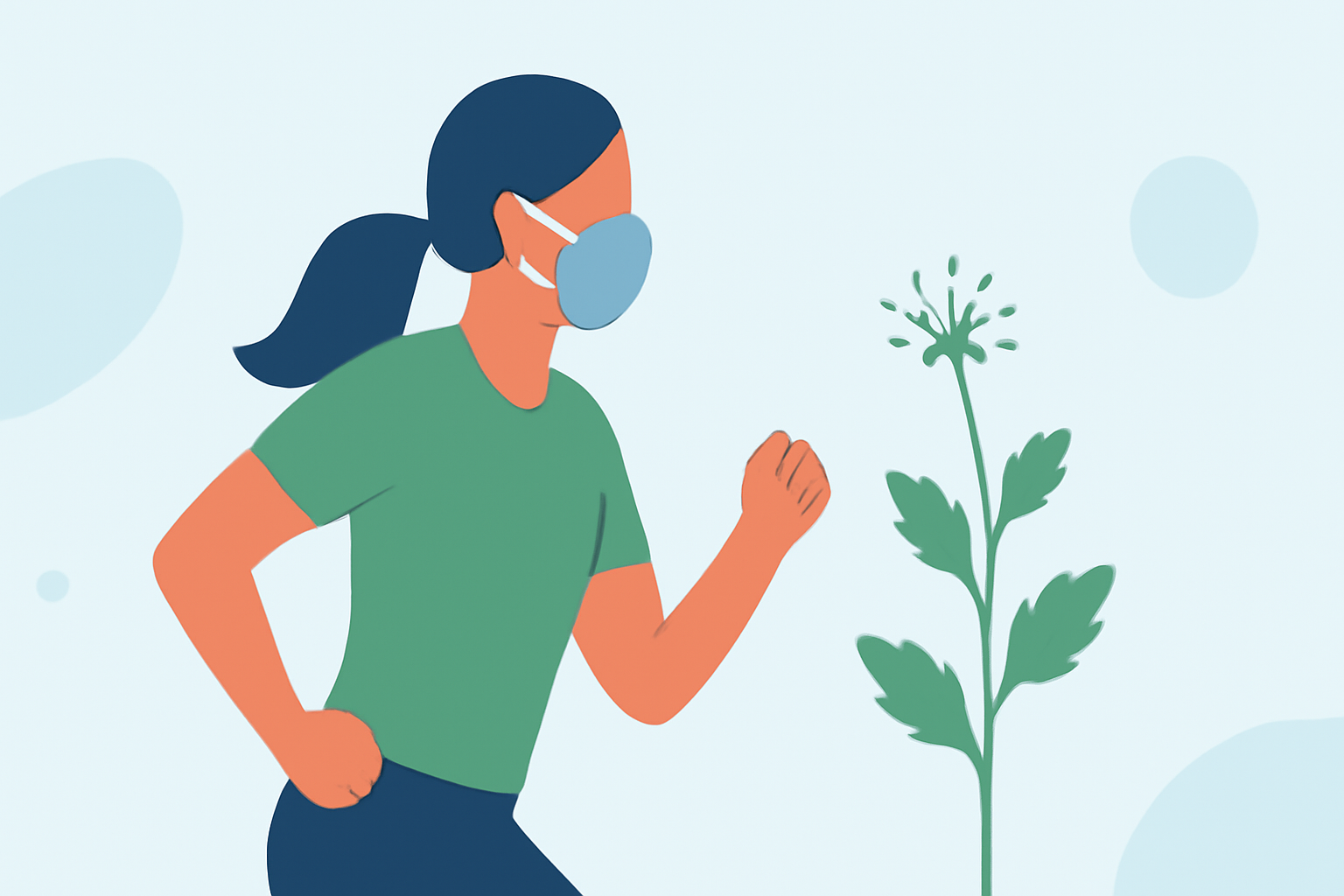
Engaging in outdoor workouts can be invigorating, but for those sensitive to weed pollen, it presents unique challenges. Weed pollen, especially from ragweed, is a common allergen that peaks in late summer to early fall. (healthline.com) Understanding how to manage exposure can help maintain your exercise routine without compromising comfort.
Understanding Weed Pollen and Its Impact
Weed pollen is released into the air during specific seasons, with ragweed being a primary culprit in many regions. When inhaled, these pollen particles can trigger allergic reactions, leading to symptoms such as sneezing, nasal congestion, and respiratory discomfort. During vigorous activities, the increased breathing rate can exacerbate these symptoms, making it essential to take proactive measures. (heyallergy.com)
Optimal Timing for Outdoor Exercise
Pollen levels fluctuate throughout the day, typically peaking in the early morning and early evening. To minimize exposure, consider scheduling your workouts during midday or early afternoon when pollen concentrations are generally lower. Additionally, exercising after rainfall can be beneficial, as rain helps wash pollen out of the air, leading to reduced allergen levels. (mypollenpal.com)
Choosing the Right Environment
Selecting an appropriate location for your workout can significantly impact your exposure to allergens. Opt for paved paths over grassy trails to reduce contact with pollen-laden vegetation. Avoid areas with dense vegetation, such as fields of blooming flowers or freshly cut grass, as these are common sources of weed pollen. Additionally, steer clear of heavily wooded areas where pollen levels may be higher. (dyson.com)
Protective Measures During Exercise
Implementing protective strategies can help mitigate the effects of pollen exposure:
-
Wear Protective Gear: Consider wearing a mask designed to filter out pollen particles. Protective eyewear or wraparound glasses can also shield your eyes from allergens. (bannerhealth.com)
-
Appropriate Clothing: Dress in long sleeves and pants made of smooth fabrics that don't trap pollen. Avoid loose clothing that brushes against grass or plants, as pollen can cling to these materials. (bannerhealth.com)
-
Post-Exercise Hygiene: After your workout, shower and change clothes to remove pollen from your body. Washing your hair is especially important, as pollen can cling to it. (bannerhealth.com)
Monitoring Pollen Levels
Staying informed about local pollen counts can aid in planning your outdoor activities. Websites and mobile apps provide real-time information on pollen levels and air quality indices. On days with high pollen counts or poor air quality, consider modifying your exercise routine or opting for indoor activities. (dyson.com)
Alternative Exercise Options
If outdoor workouts become challenging due to high pollen levels, consider indoor alternatives such as swimming, weightlifting, or yoga. These activities can provide effective exercise without the exposure to outdoor allergens. (bcbstnews.com)
By understanding the dynamics of weed pollen and implementing these strategies, you can continue to enjoy outdoor workouts while minimizing allergic reactions. Always consult with a healthcare professional for personalized advice, especially if you have underlying health conditions.