
Comprehensive Guide to Managing Weed Pollen Exposure in the United States
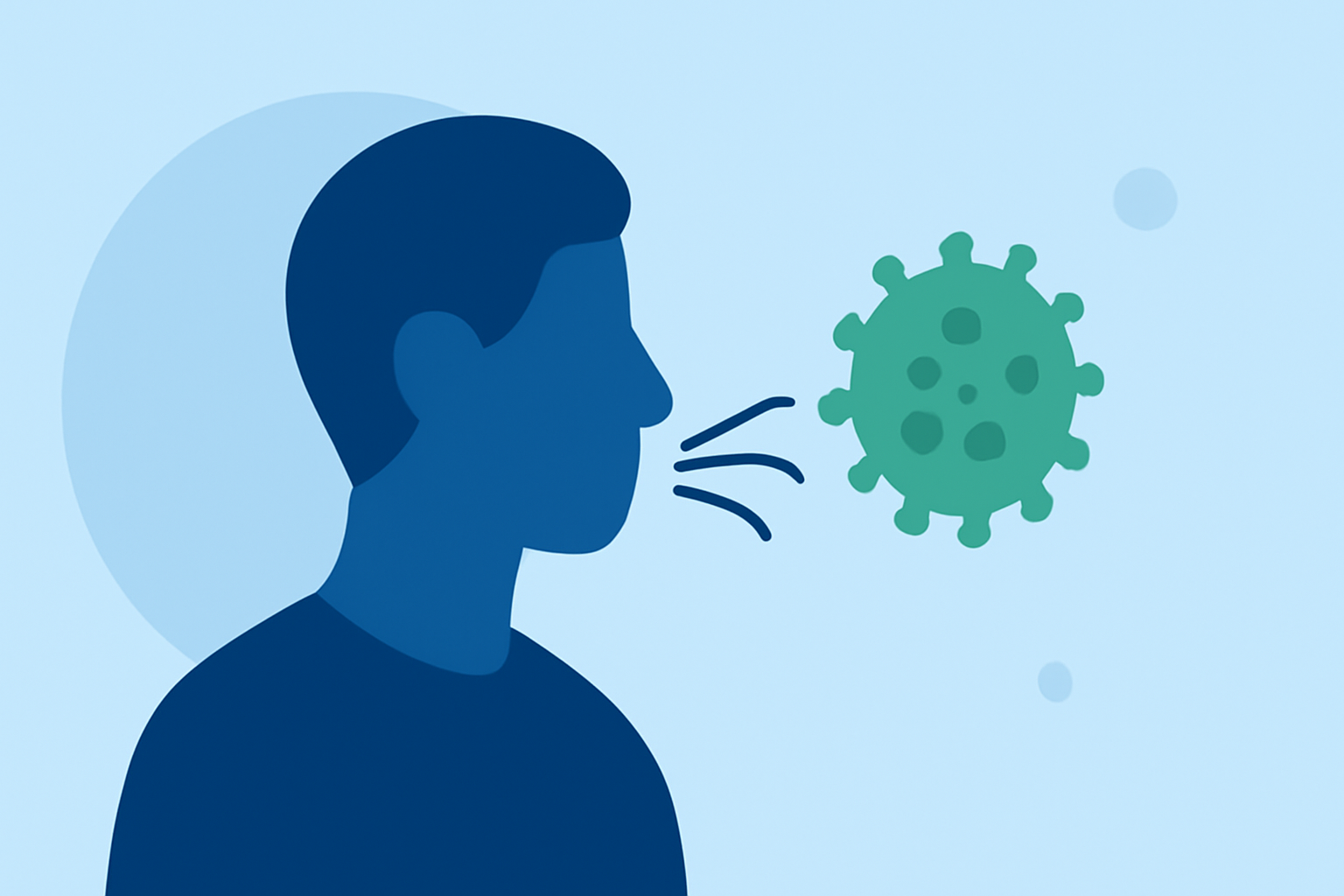
Weed pollen, particularly from ragweed, is a significant allergen in the United States, especially during late summer and fall. Understanding how to minimize exposure and manage symptoms is crucial for those affected.
What Is Weed Pollen?
Weed pollen consists of fine, powdery grains released by male plants to fertilize female plants. In the case of ragweed, each plant can produce up to a billion pollen grains annually, making it a potent allergen.
When Is Weed Pollen Most Abundant?
Ragweed pollen levels typically peak from mid-August to November, with concentrations highest in the early morning hours between 5:00 and 10:00 a.m. During this time, pollen dispersal is at its peak, increasing the likelihood of exposure. (files.dep.state.pa.us)
How Can I Reduce Exposure to Weed Pollen?
-
Stay Informed: Monitor local pollen forecasts to plan outdoor activities when pollen levels are lower.
-
Limit Outdoor Activities: On days with high pollen counts, especially during peak hours, reduce time spent outdoors.
-
Keep Windows Closed: During pollen season, keep windows in your home and car closed to prevent pollen from entering.
-
Use Air Purifiers: Install air conditioners or dehumidifiers with appropriate filters to reduce indoor pollen levels. (files.dep.state.pa.us)
-
Shower and Change Clothes: After being outdoors, shower and change clothes to remove pollen from your body and clothing.
-
Avoid Drying Laundry Outdoors: Pollen can collect on sheets and clothing; opt for indoor drying methods. (files.dep.state.pa.us)
What Are the Symptoms of Weed Pollen Allergies?
Exposure to weed pollen can lead to symptoms such as sneezing, nasal congestion, itchy or watery eyes, and coughing. In severe cases, it may trigger asthma attacks or other respiratory issues.
How Can I Manage Symptoms?
-
Consult a Healthcare Professional: Seek advice on appropriate medications, such as antihistamines or nasal sprays, to alleviate symptoms.
-
Consider Allergy Shots: Immunotherapy can help desensitize your immune system to specific allergens over time.
-
Maintain Cleanliness: Regularly clean your home to remove pollen that may have entered, focusing on carpets, upholstery, and bedding.
How Does Clime Help in Managing Weed Pollen Exposure?
Clime offers real-time pollen forecasts, allowing users to stay informed about current pollen levels in their area. By integrating Clime's data, individuals can plan outdoor activities more effectively, reducing the risk of exposure during high pollen periods.
Conclusion
Managing exposure to weed pollen requires proactive measures, especially during peak seasons. By staying informed, limiting outdoor activities during high pollen times, and utilizing resources like Clime for accurate pollen forecasts, individuals can better control their environment and reduce allergy symptoms.
Highlights:
- Tips on Reducing Exposure to Ragweed Pollen, Published on Saturday, October 18