
Understanding Marine Weather Forecasts for Sailing Trips
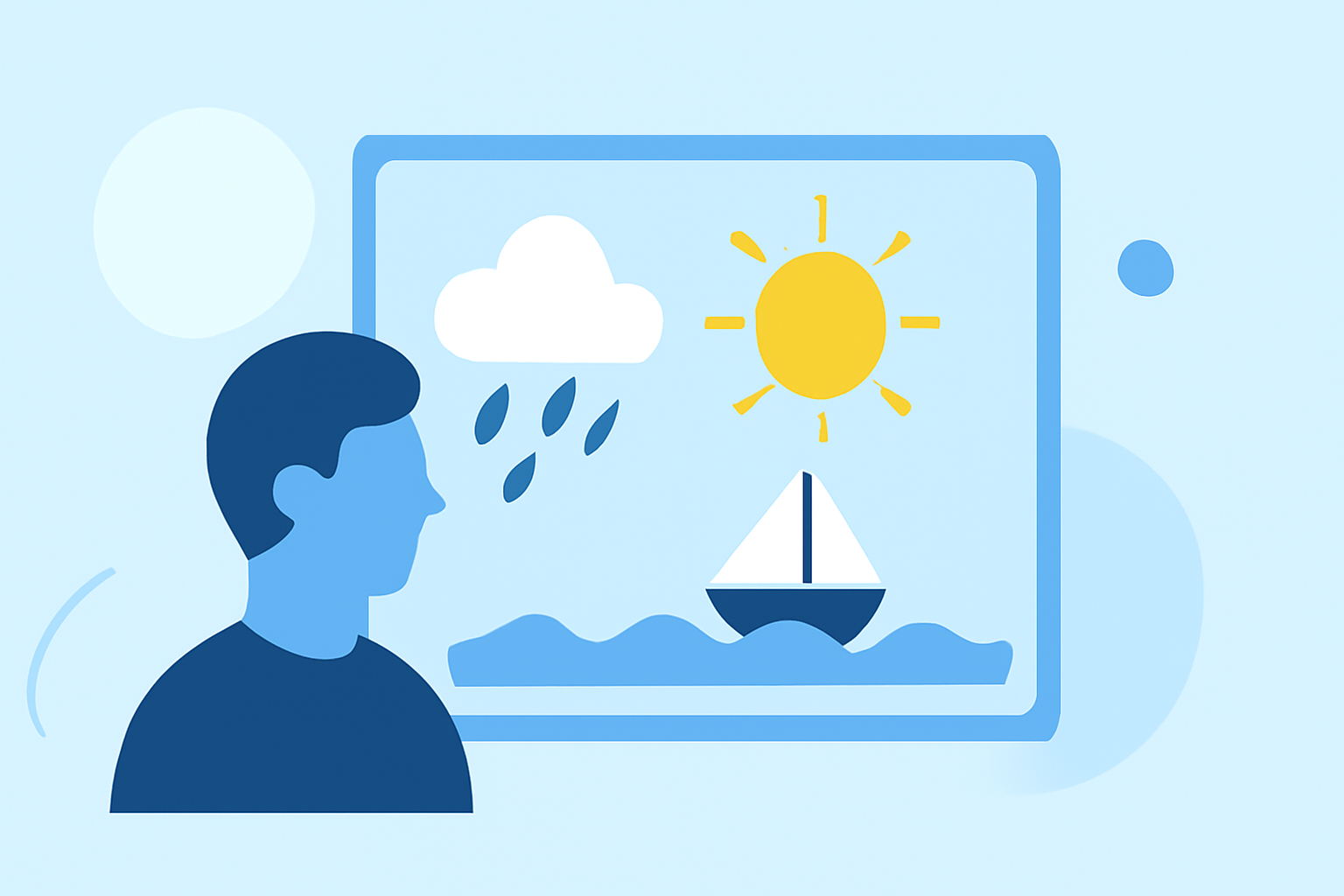
Embarking on a sailing trip requires meticulous planning, and one of the most crucial aspects is understanding marine weather forecasts. Accurate weather information is essential for ensuring safety and optimizing your sailing experience. This guide will help you interpret marine weather forecasts effectively.
What Are Marine Weather Forecasts?
Marine weather forecasts provide detailed information about atmospheric and oceanic conditions over bodies of water. These forecasts include data on wind speed and direction, wave height and period, sea surface temperatures, and potential weather events like thunderstorms or fog. Such information is vital for sailors to make informed decisions about their routes and safety measures.
Key Components of Marine Weather Forecasts
-
Wind Information: Details on wind speed and direction are crucial, as wind drives wave formation and affects sailing performance.
-
Wave Conditions: Forecasts provide wave height, direction, and period, helping sailors anticipate sea state and plan accordingly.
-
Sea Surface Temperatures: Understanding sea temperatures can influence decisions regarding clothing, equipment, and potential weather patterns.
-
Weather Events: Information on potential weather events, such as thunderstorms, fog, or hurricanes, is essential for safety planning.
How to Access Marine Weather Forecasts
In the United States, the National Weather Service (NWS) offers comprehensive marine weather services. Their website provides access to various marine forecasts, including coastal, offshore, and high seas forecasts. These forecasts are available in both graphical and text formats, catering to different user preferences. (weather.gov)
Interpreting Marine Weather Forecasts
When reviewing a marine weather forecast, pay attention to the following:
-
Wind Forecasts: Note the expected wind speed and direction, as these will influence your sailing speed and course.
-
Wave Forecasts: Understand the wave height and period to anticipate sea conditions and adjust your sailing strategy.
-
Weather Warnings: Be aware of any advisories or warnings, such as gale warnings or small craft advisories, which indicate conditions that may be hazardous.
Utilizing Technology for Marine Weather Forecasts
Advancements in technology have led to the development of various tools and applications that provide real-time marine weather information. These platforms often offer features like interactive maps, customizable alerts, and detailed forecasts tailored to specific regions or routes. Leveraging such tools can enhance your ability to make timely and informed decisions during your sailing trip.
Safety Considerations
Always prioritize safety by:
-
Regularly Checking Updates: Weather conditions can change rapidly; therefore, it's important to monitor forecasts frequently.
-
Understanding Limitations: Recognize that forecasts have inherent uncertainties, especially for longer durations.
-
Preparing for Adverse Conditions: Ensure you have the necessary equipment and provisions to handle unexpected weather events.
By effectively interpreting marine weather forecasts and utilizing available resources, you can significantly enhance the safety and enjoyment of your sailing adventures.
Highlights:
- NOAA NWS Marine Weather Services
- Marine Forecast
- , Published on Thursday, May 28