
Masks for Poor Air Quality: A Guide for Pet Owners
Last updated: 2023-09-15
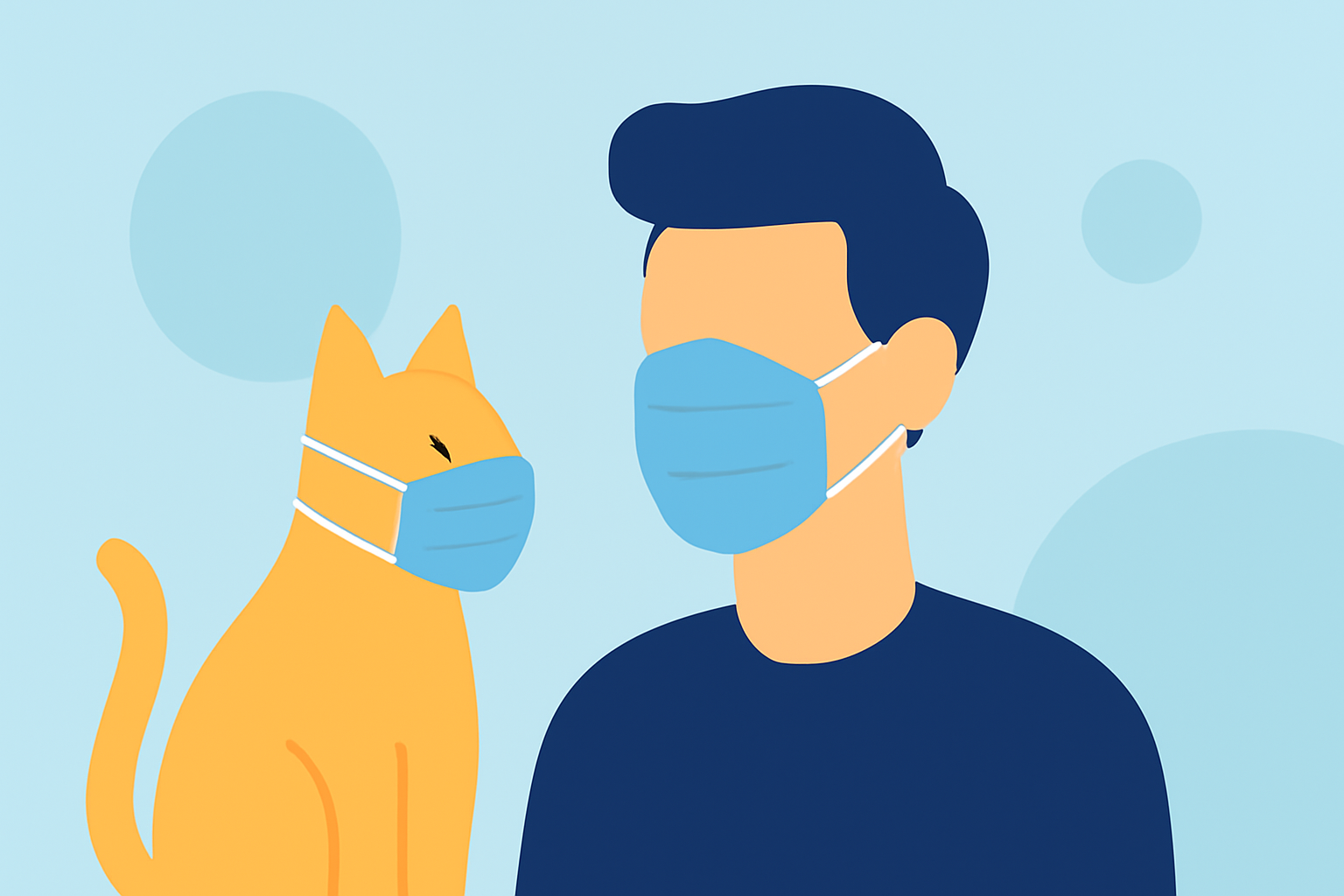
Pet owners need to be proactive about their pets’ safety during poor air quality events. While masks such as N95 or P100 are most effective for human use during outdoor smoke conditions, alternative strategies exist for keeping pets safe in similar scenarios.
Summary
- Respirators like N95 or P100 provide effective protection for humans during wildfires and smoke.
- Pets do not generally require masks, but minimizing outdoor exposure during poor air quality is essential.
- Use indoor air purifiers and keep doors and windows closed when air quality is poor.
- Monitoring local air quality levels using weather apps can help you make informed decisions for your pets.
What are the Risks of Poor Air Quality for Pets?
Poor air quality can significantly impact pets, especially those with pre-existing respiratory conditions such as asthma or bronchitis. They can suffer from symptoms like coughing, sneezing, or difficulty breathing when exposed to smoky or polluted air. For this reason, it’s critical to be vigilant about air quality signals and take necessary precautions to safeguard your pets.
When Should You Consider Masks for Yourself?
According to the Centers for Disease Control and Prevention (CDC), wearing a respirator (N95 or P100) is the most protective option for adults during outdoor exposure to wildfire smoke. These masks filter out particulate matter, which can be harmful to lung health. Although masks are not specifically designed for pets, understanding your own protective measures can help emphasize the importance of indoor safety for your furry friends. ("An N95 or P100 is most protective" — CDC)
Guidelines for Keeping Pets Safe
While your first instinct might be to equip your pet with a mask, it's important to note that there is little guidance on pet-specific masks. Instead, focus on other strategies:
- Limit Outdoor Time: Spend as little time as possible outdoors during periods of poor air quality. Even walks and bathroom breaks should be minimized.
- Stay Indoors: Create a safe indoor environment for your pets. Keep windows and doors closed to prevent outdoor air from entering.
- Air Quality Monitoring: Utilize weather and air quality apps to stay informed about pollution levels in your area, especially during wildfire season.
Best Practices for Indoor Safety
- Use Air Purifiers: Investing in an air purifier can help maintain good air quality indoors. Look for models with HEPA filters that can clear particulates from the air.
- Ventilation Solutions: If the air quality is poor but you need to ventilate your home, try to do so during times when pollution levels are reported lower.
- Create a Comfort Zone: Keep your pets comfortable during poor air quality days by providing them with cozy resting spots away from windows.
What You Need to Know About Local Air Quality Resources
Using apps dedicated to providing real-time weather and air quality data can be crucial. Tools like Clime offer localized weather forecasts, including alerts for poor air conditions. Monitoring these can help you prepare ahead and make informed decisions to protect your pets during adverse environmental conditions.
Emergency Preparedness Measures
Having a plan in place is vital during wildfire and smoke events. Here are some measures:
- Know Evacuation Routes: Be aware of your surroundings and have a plan for where to go in case of an emergency. This includes pet-friendly shelters.
- Pet Medical Records: Keep your pet's medical information handy, especially if they have existing health concerns.
- Emergency Kit: Assemble a pet emergency kit that contains necessary supplies, including food, water, medications, and comfort items like blankets or toys.
Conclusion: What We Recommend
- Opt for N95 or P100 masks for yourself during poor air quality conditions, ensuring your own protection while monitoring your pet's comfort.
- Limit your pet's outdoor exposure and create a safe indoor environment.
- Consider air purifiers for improved indoor air quality.
- Utilize weather apps like Clime to stay updated on local air quality conditions, ensuring you’re prepared for any shifts in weather or air quality that could affect your pets.