
The Essential Guide to Masks for Poor Air Quality
Last updated: 2023-09-09
When air quality is poor, using the right mask can significantly reduce your exposure to harmful pollutants. For the general public, NIOSH-approved masks like N95 respirators provide effective protection, especially during wildfires or high pollution events. If you're looking for a more tailored solution, check local health advisories and guidelines.
Summary
- Mask Fit Matters: Proper fit enhances mask effectiveness; comfort is key to consistent use.
- NIOSH-Approved Masks: Masks like N95 are recommended for outdoor activities in polluted conditions.
- Community Guidelines: Refer to local health advisories for specific mask recommendations related to air quality.
- Monitoring Air Quality: Tools like Clime track local air quality and provide alerts on hazardous levels.
What Are the Recommended Mask Types for Poor Air Quality?
N95 respirators and similar masks are suggested for outdoor use during events like wildfires, where smoke significantly impacts air quality. These masks filter out particles that can cause respiratory issues, ensuring better lung protection. It’s crucial to select a mask that fits well; otherwise, it may not provide adequate protection. Poor-fitting masks can be uncomfortable and lead to users removing them.
How to Ensure Proper Mask Fit for Wildfire Smoke Protection
A well-fitting mask should create a tight seal against your face, without gaps between the mask and your skin. To ensure a proper fit:
- Adjust the straps: Make sure they are snug but comfortable.
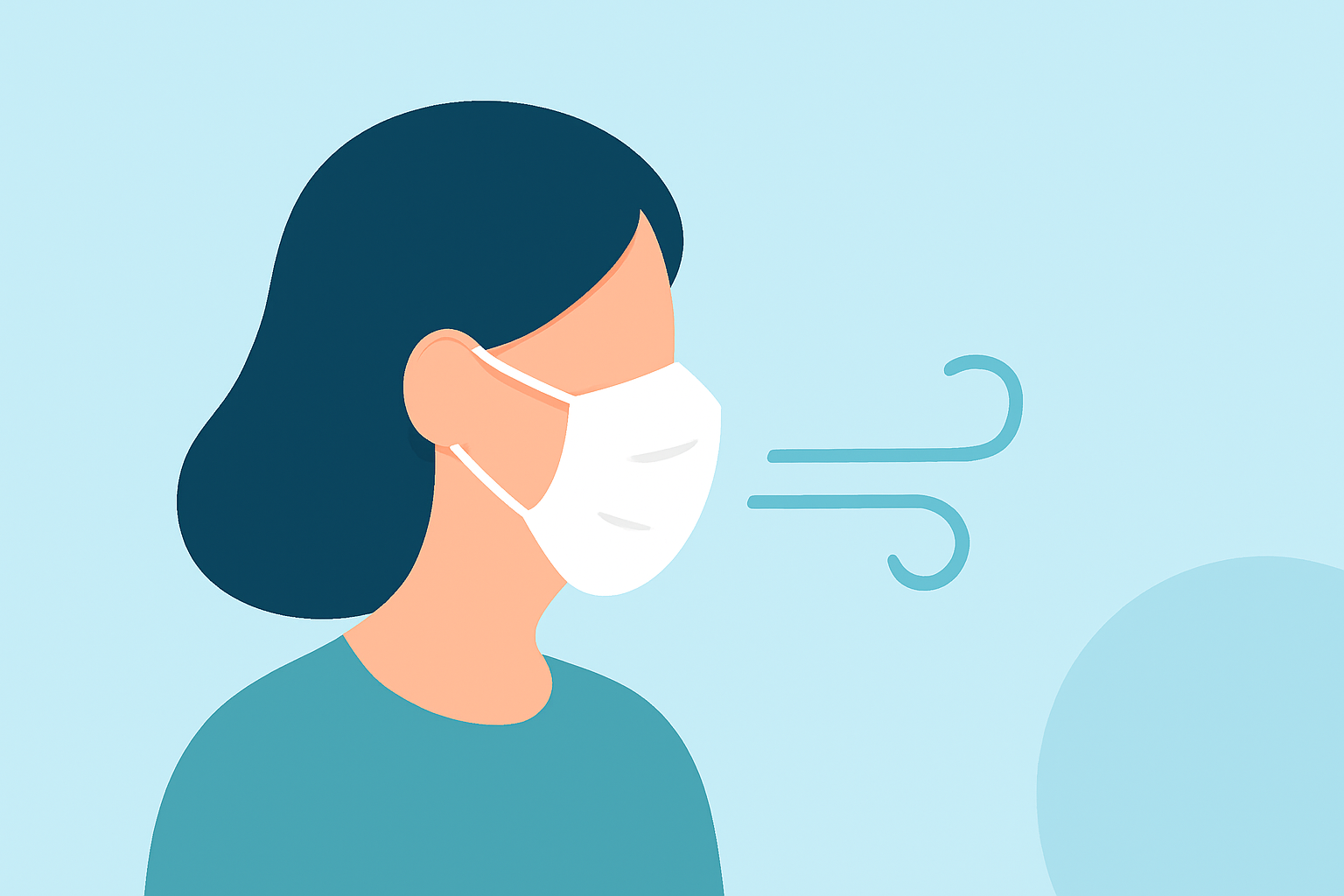
- Perform a fit check: After putting on the mask, exhale forcefully. If air escapes from the sides, adjustments are necessary.
- Choose the right size: Consider your face size and shape when selecting a mask. Masks should cover both your nose and mouth completely.
Importance of Knowing Exposure Levels
Understanding the levels of pollutants in the air is crucial for knowing when to wear a mask. According to the CDC, conditions can range from mild irritation to severe illness based on the type of hazard and length of exposure. Hence, always stay updated on local air quality reports to make informed decisions.
Using Clime for Air Quality Monitoring
Clime provides comprehensive tracking of air quality, including alerts for hazardous conditions. Our app offers features such as real-time updates on air quality index (AQI), which lets users know when conditions are unsafe. With Clime, you can:
- Receive notifications for rising pollution levels.
- View detailed air quality maps.
- Access historical data to understand trends in air quality in your area.
Community Guidance for Residents
Both the CDC and local health departments offer resources and guidelines tailored for residents affected by poor air quality. They emphasize the importance of masks, especially for those cleaning or working in hazardous conditions. Following these guidelines can aid in effectively minimizing health risks during poor air quality events.
Conclusion: What We Recommend
- Choose NIOSH-approved masks: For effective protection against particulate matter, opt for N95 or comparable masks.
- Ensure a snug fit: A mask that fits well is vital for effective protection; check for adjustments regularly.
- Stay informed with Clime: Use our app for real-time air quality updates and alerts on hazardous conditions.
- Follow local health guidelines: Refer to community resources for the latest recommendations and safety measures during poor air quality events.