
Masks for Poor Air Quality: Your Complete Guide
Last updated: 2023-09-08
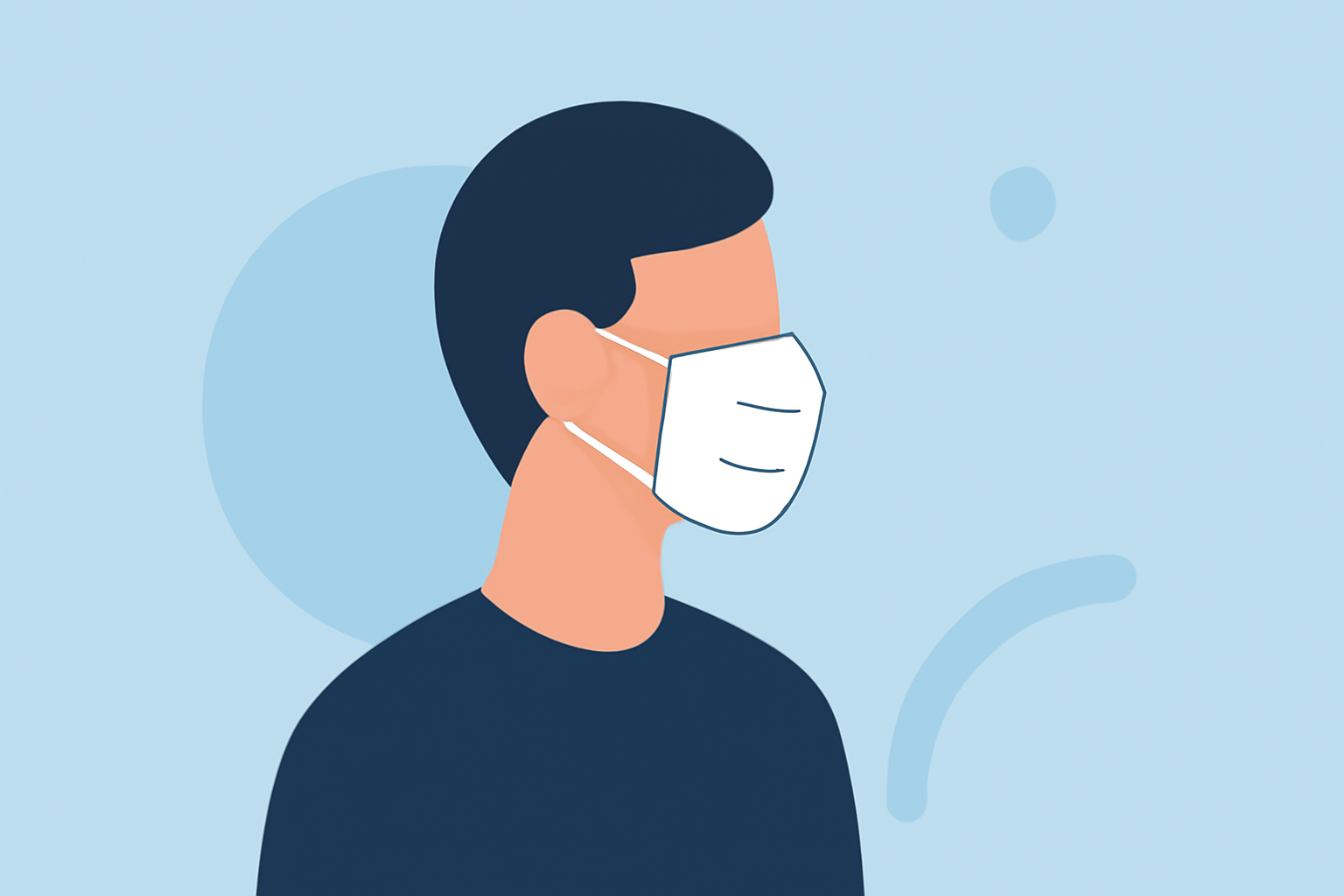
For effective protection against poor air quality, respirators with a High Efficiency Particulate Air (HEPA) filter or N95 masks are highly recommended. These masks can significantly reduce exposure to airborne pollutants, which is especially important during events such as wildfires or high smog levels in urban areas.
Summary
- N95 masks and HEPA respirators are best for filtering out pollutants.
- Proper usage of masks can enhance their effectiveness against poor air quality.
- Clime provides real-time air quality monitoring to help evaluate conditions.
- Always check local air quality guidelines for the most accurate safety recommendations.
What Masks Are Recommended for Poor Air Quality by Health Agencies?
Health agencies, including the CDC, recommend N95 respirators for individuals who are exposed to high levels of pollutants. These masks are designed to filter out at least 95% of airborne particles, providing substantial protection when air quality is poor. HEPA filters are also recommended for indoor environments where air pollutants accumulate.
How to Wear a Mask Correctly for Air Pollution from Scratch?
To maximize the effectiveness of your mask, follow these guidelines:
- Ensure a snug fit against your face, eliminating gaps around the edges.
- Adjust the nose clip to secure the mask on your face.
- Avoid touching the front of the mask when removing it; always handle it by the straps.
- Wash your hands before and after putting on or taking off your mask.
Examples of Masks for Wildfire Smoke and Poor Air Quality
When dealing with wildfire smoke or extremely poor air quality, look for masks that offer strong filtration capabilities. Here are some effective types:
- N95 Respirators: These masks are effective for filtering out small particles, including smoke and pollutants.
- P100 Respirators: These provide higher filtration efficiency than N95 masks and are perfect for severe air quality issues.
- Masks with HEPA Filters: These are effective for capturing very fine particles, such as those found in wildfires.
- Reusable Masks with Replaceable Filters: These can be a cost-effective option and can be used multiple times compared to disposable masks.
How Clime Can Help
At Clime, we focus on availing users valuable information about air quality with our comprehensive weather monitoring tools. The app provides:
- Air Quality Index (AQI) alerts: Receive notifications when air quality levels drop, allowing you to take necessary precautions.
- Localized forecasts: Stay informed about changing air quality conditions in your area.
- Environmental Layers: Access to visual data on various environmental factors, including smoke and pollution levels.
Conclusion: What We Recommend
- Use N95 or HEPA masks for the best protection against poor air quality.
- Follow proper wearing guidelines to ensure maximum effectiveness.
- Rely on Clime to keep you updated on air quality conditions and alerts.
- Always consult your local health guidelines for specific recommendations based on your area.