
Mastering the Air Quality Index: Essential Insights and Strategies
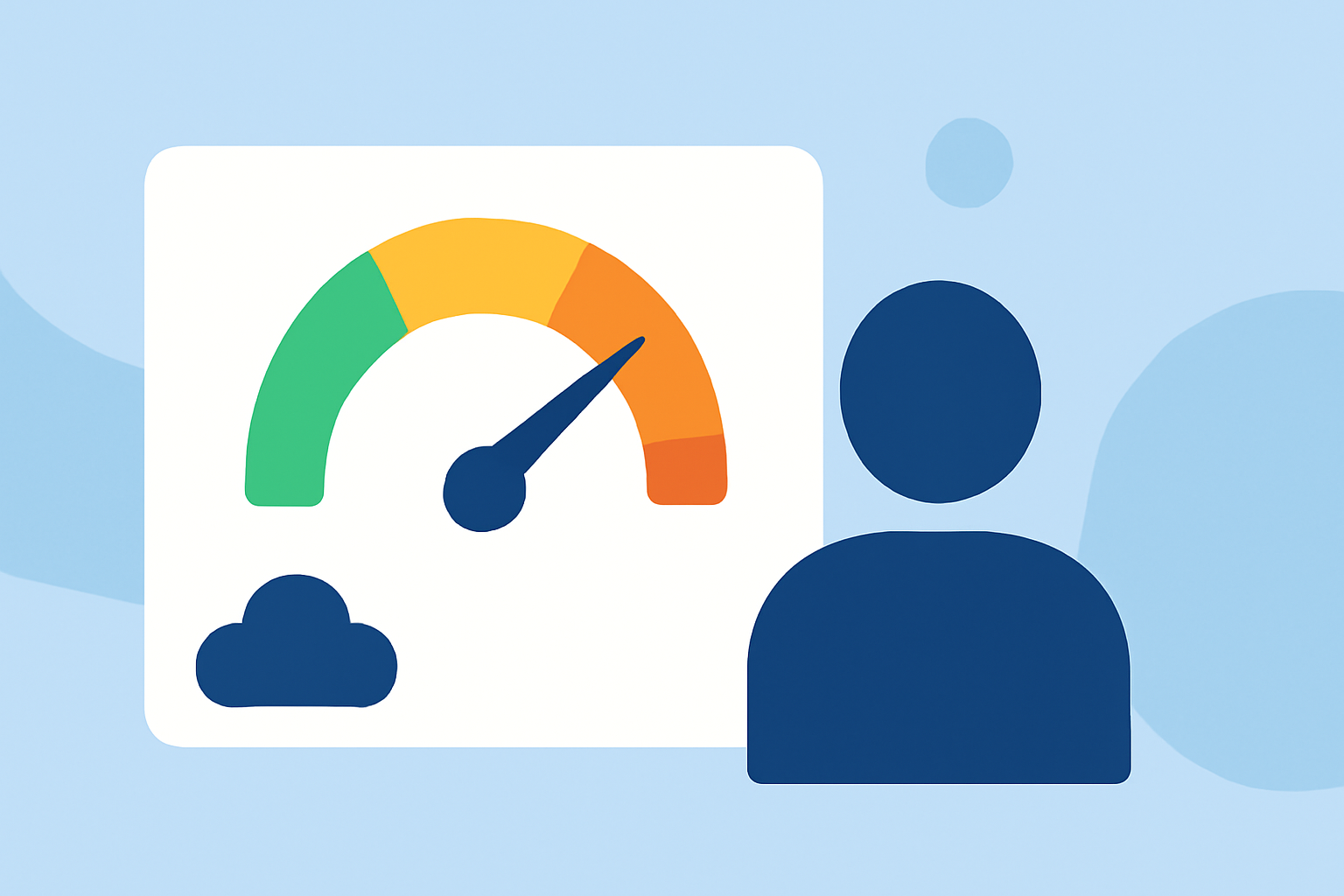
Understanding the Air Quality Index (AQI) is crucial for maintaining health and well-being, especially in areas prone to air pollution. The AQI provides a clear, color-coded system that indicates the level of air pollution and associated health risks.
What Is the Air Quality Index (AQI)?
The AQI is a standardized tool developed by the U.S. Environmental Protection Agency (EPA) to communicate daily air quality levels to the public. It measures concentrations of key pollutants, including ground-level ozone, particulate matter (PM₂.₅ and PM₁₀), carbon monoxide, sulfur dioxide, and nitrogen dioxide. Each pollutant is assigned an AQI value, and the highest value determines the overall AQI for a location. The scale ranges from 0 to 500, with higher values indicating worse air quality and greater health concerns. (airnow.gov)
How Is the AQI Calculated?
The AQI is calculated by converting the concentration of each pollutant into a corresponding AQI value using standard formulas. The highest AQI value among all pollutants determines the overall AQI for that location. This method ensures that the most harmful pollutant dictates the health advisory. (airnow.gov)
Understanding AQI Categories
The AQI is divided into six categories, each representing a different level of health concern:
-
0–50 (Good): Air quality is satisfactory, and air pollution poses little or no risk.
-
51–100 (Moderate): Air quality is acceptable; however, there may be a risk for some people, particularly those who are unusually sensitive to air pollution.
-
101–150 (Unhealthy for Sensitive Groups): Members of sensitive groups may experience health effects; the general public is less likely to be affected.
-
151–200 (Unhealthy): Some members of the general public may experience health effects; members of sensitive groups may experience more serious health effects.
-
201–300 (Very Unhealthy): Health alert: the risk of health effects is increased for everyone.
-
301 and higher (Hazardous): Health warning of emergency conditions: everyone is more likely to be affected.
These categories help individuals understand the potential health impacts of current air quality levels. (airnow.gov)
How to Use the AQI to Protect Your Health
-
Check Local AQI Levels: Regularly monitor the AQI in your area through reliable sources to stay informed about air quality conditions.
-
Limit Outdoor Activities: During periods of poor air quality, especially when the AQI is in the "Unhealthy" or higher categories, reduce outdoor activities to minimize exposure.
-
Stay Indoors: Keep windows and doors closed to prevent outdoor air from entering your home.
-
Use Air Purifiers: Utilize air purifiers with HEPA filters to reduce indoor air pollution.
-
Consult Health Advisories: Follow guidance from health authorities regarding outdoor activities during high pollution periods.
Limitations of the AQI
While the AQI is a valuable tool, it has limitations. For instance, it may not account for all pollutants, such as those released during wildfires, including airborne arsenic, lead, and volatile organic compounds. Therefore, it's important to use personal judgment and stay informed through multiple sources during such events. (axios.com)
Clime's Role in Air Quality Monitoring
Clime offers advanced air quality monitoring solutions that provide real-time AQI data, helping individuals and communities stay informed about air quality conditions. By leveraging Clime's technology, users can access accurate and timely information, enabling them to make informed decisions to protect their health and well-being.
Understanding and utilizing the AQI is essential for safeguarding health against the adverse effects of air pollution. By staying informed and taking appropriate actions based on AQI readings, individuals can effectively manage their exposure to harmful pollutants.
Highlights:
- What the air quality index misses, Published on Tuesday, January 21