
Mastering Cold Plunge Streaks: A Beginner's Guide
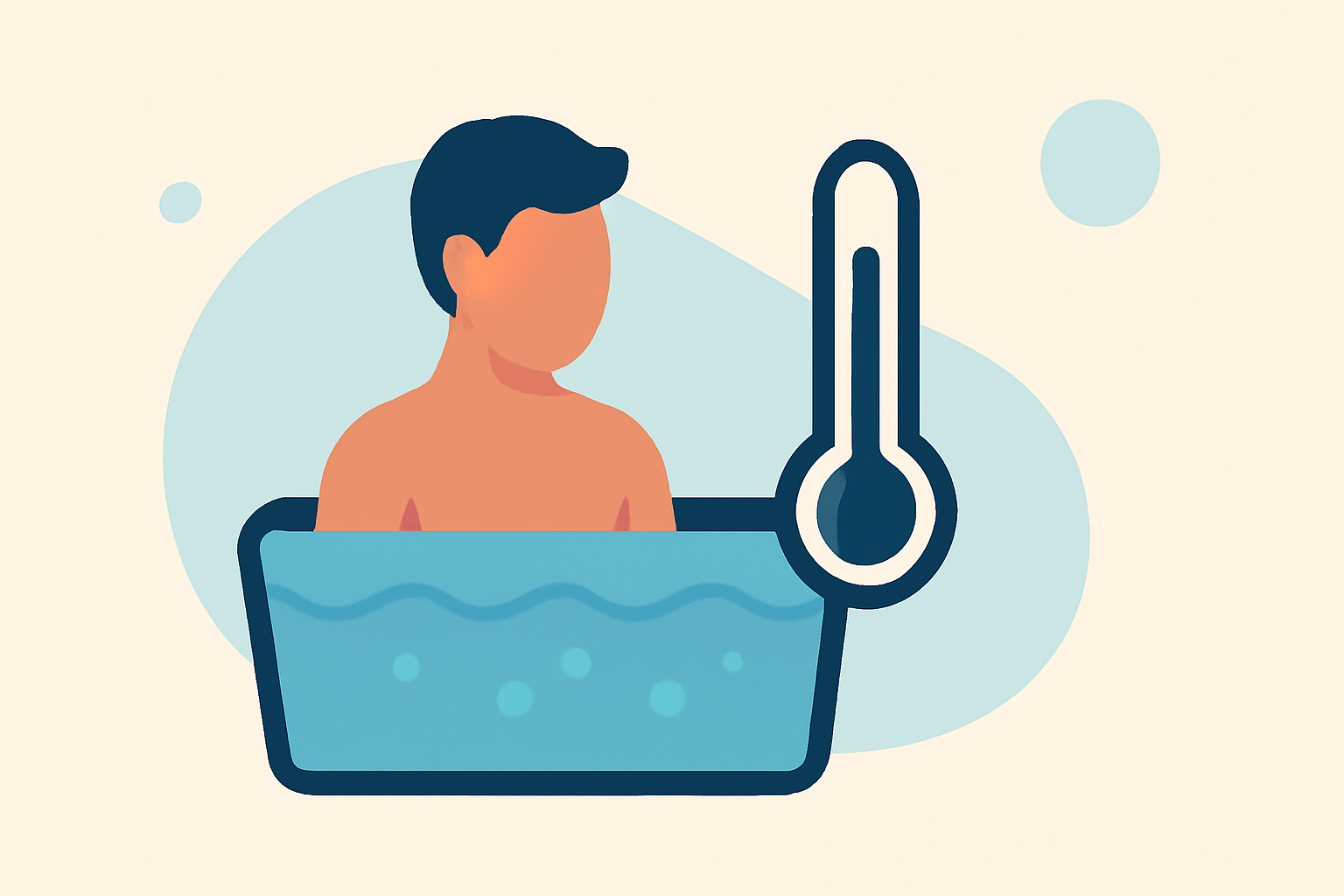
Embarking on a cold plunge journey can be both invigorating and beneficial for your health. Establishing a consistent streak is key to reaping the full rewards of this practice. Here's how to approach it the right way.
What Is a Cold Plunge?
A cold plunge involves immersing your body in cold water, typically between 50°F and 59°F (10°C to 15°C), for a set duration. This practice is known to enhance circulation, reduce muscle inflammation, and boost mental clarity.
How Do I Start a Cold Plunge Routine?
-
Consult a Healthcare Professional: Before beginning, especially if you have underlying health conditions, seek medical advice to ensure it's safe for you.
-
Begin with Cold Showers: Acclimate your body by ending your regular warm shower with 15–30 seconds of cold water. Gradually increase the duration over a few weeks to build tolerance. (biologyinsights.com)
-
Set Clear Goals: Decide on the frequency and duration of your cold plunges. Starting with 1–2 sessions per week is common for beginners. (coldplungetime.com)
How Do I Build a Consistent Cold Plunge Streak?
-
Start Slowly: Begin with water temperatures around 60°F (16°C) for 30–60 seconds. This approach minimizes shock and allows your body to adapt. (healthhighroad.com)
-
Gradually Increase Intensity: Over several weeks, decrease the water temperature by 2–3°F (1–2°C) each week and extend your time in the water by 15–30 seconds per session. This progression helps in building tolerance without overwhelming your system. (marterraelements.com)
-
Maintain Consistency: Aim for regular sessions, such as 2–3 times per week, to establish a streak. Consistency is crucial for adapting to the cold and experiencing its benefits. (coldplungetime.com)
What Are the Benefits of a Cold Plunge Streak?
-
Enhanced Recovery: Regular cold exposure can reduce muscle soreness and inflammation, aiding in quicker recovery post-exercise.
-
Improved Circulation: Alternating between cold and warm environments stimulates blood flow, promoting cardiovascular health.
-
Mental Resilience: Consistently facing the discomfort of cold plunges can build mental toughness and improve stress management.
Are There Any Safety Precautions?
-
Listen to Your Body: If you feel dizzy, numb, or unwell, exit the water immediately.
-
Avoid Alcohol: Do not engage in cold plunges after consuming alcohol, as it can impair judgment and increase risks.
-
Warm Up Gradually: After your plunge, warm up slowly with light movement and dry clothing to prevent shock to your system.
By following these guidelines, you can safely and effectively build a cold plunge streak that enhances both your physical and mental well-being.