
Mastering Doppler Shear Maps: Essential Techniques for Accurate Weather Interpretation
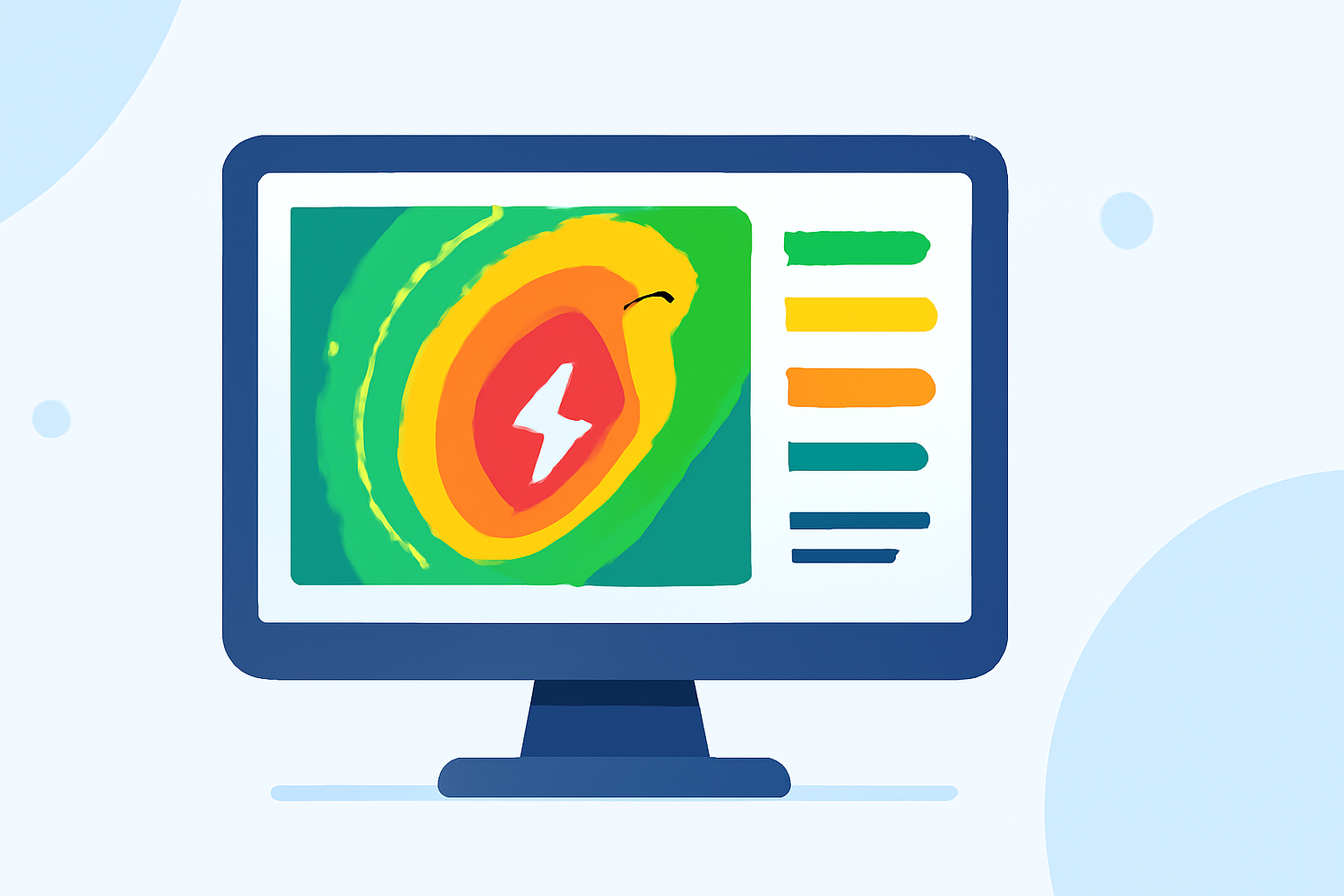
Doppler shear maps are invaluable tools in meteorology, providing insights into wind patterns and atmospheric dynamics. By analyzing these maps, meteorologists can assess storm structures, predict severe weather events, and make informed decisions.
Understanding Doppler Shear Maps
Doppler shear maps display variations in wind speed and direction at different altitudes, highlighting areas of wind shear—rapid changes in wind velocity over short distances. These maps are crucial for identifying potential storm rotation, which can lead to severe weather phenomena like tornadoes.
Key Components of Doppler Shear Maps
- Reflectivity: Indicates precipitation intensity.
- Velocity: Shows wind motion toward or away from the radar.
- Shear: Represents changes in wind speed and direction with altitude.
Techniques for Interpreting Doppler Shear Maps
- Identify Wind Shear Patterns: Look for areas where wind direction and speed change abruptly with height.
- Analyze Velocity Couplets: In velocity maps, a couplet occurs when areas of wind moving toward and away from the radar are adjacent, indicating rotation. This pattern is often associated with severe weather events. (battlbox.com)
- Assess Storm Structure: Examine how wind shear affects storm organization, which can influence the development of severe weather.
Practical Applications
- Severe Weather Prediction: By analyzing shear patterns, meteorologists can forecast the likelihood of severe weather events, such as tornadoes.
- Flight Safety: Understanding wind shear is vital for aviation, as sudden changes in wind can affect aircraft performance during takeoff and landing.
- Event Planning: For outdoor events, interpreting Doppler shear maps helps in making informed decisions about weather-related risks.
Enhancing Your Interpretation Skills
- Regular Practice: Consistently reviewing Doppler shear maps improves proficiency.
- Stay Updated: Meteorological conditions change rapidly; staying informed ensures accurate interpretations.
- Utilize Advanced Tools: Leverage software and platforms that provide real-time Doppler shear data for more precise analysis.
By mastering the interpretation of Doppler shear maps, you can gain a deeper understanding of atmospheric dynamics, leading to more accurate weather forecasts and better preparedness for severe weather events.