
Mastering Fishing with Weather: A Step-by-Step Guide
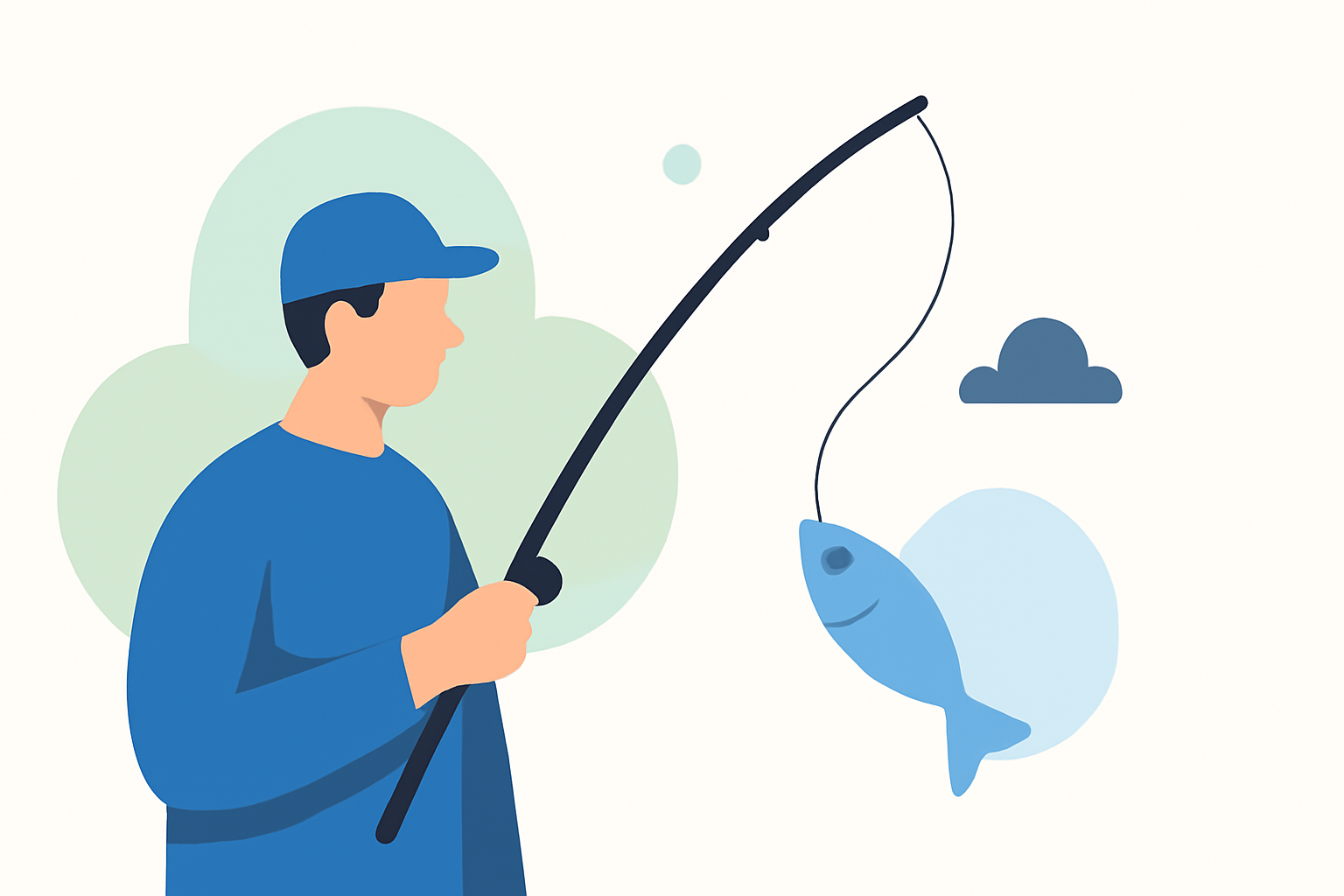
Fishing success is intricately linked to weather conditions. By understanding how various elements like temperature, wind, and precipitation affect fish behavior, you can significantly improve your chances of a fruitful outing.
How Does Temperature Influence Fish Activity?
Ideal Temperature Ranges
Most freshwater fish species exhibit peak activity between 65°F and 75°F (18°C to 24°C). For instance, bass and trout are more likely to feed actively within this range. Temperatures above 80°F (27°C) or below 60°F (16°C) can cause fish to become sluggish or seek deeper, cooler waters. (fishing.tv)
Seasonal Considerations
Spring often brings warmer waters, prompting fish like bass to spawn and feed more aggressively. Anglers have reported up to a 30% increase in bass catches during this season compared to summer. (fishing.tv)
What Role Does Wind Play in Fishing Success?
Wind's Impact on Fish Behavior
Light to moderate winds (5 to 15 mph) can be beneficial. They create ripples on the water's surface, making fish feel less exposed and more likely to venture out. Additionally, wind can push baitfish toward the shore, attracting predatory fish. (fishing.tv)
Optimal Wind Conditions
A steady breeze from the south or southwest is particularly favorable. This direction often brings warmer waters and can lead to increased fish activity. (bestdaystofish.com)
How Does Precipitation Affect Fishing Outcomes?
Light Rain Benefits
Light rain can reduce surface glare, allowing fish to feed more confidently. It also cools the water and increases oxygen levels, creating a more hospitable environment for fish. Anglers have noted improved catch rates during light rain conditions. (fishing.tv)
Heavy Rain Drawbacks
While light rain can be advantageous, heavy rainfall may muddy the waters, reducing visibility and making fish more cautious. In such conditions, fish often retreat to deeper, calmer waters. (fishing.tv)
What Is the Significance of Barometric Pressure in Fishing?
Pressure and Fish Activity
Fish are sensitive to changes in barometric pressure. A falling barometer, often preceding a storm, can trigger increased feeding activity as fish sense the approaching weather change. Conversely, rising pressure after a storm can lead to decreased feeding. (hookedfisherman.com)
Cold Fronts and Fishing Challenges
Cold fronts, characterized by rapidly falling temperatures and rising pressure, can make fishing challenging. Fish may become less active and seek shelter in deeper waters or heavy cover. During such times, patience and adjusted techniques are essential. (hookedfisherman.com)
How Do Overcast Skies Affect Fishing Success?
Advantages of Cloudy Conditions
Overcast days are often ideal for fishing. The cloud cover reduces light penetration, making fish feel less exposed and more likely to venture into shallower waters. Studies have shown that anglers can catch up to 40% more fish on overcast days compared to sunny ones. (fishing.tv)
Strategies for Overcast Days
During cloudy conditions, fish are more likely to feed throughout the day. Anglers should focus on areas with structures like submerged rocks or fallen trees, as fish tend to congregate around these spots for shelter and food.
How Can You Utilize Weather Forecasts for Fishing Planning?
Monitoring Forecasts
Regularly checking weather forecasts can help you anticipate favorable fishing conditions. Pay attention to temperature trends, wind patterns, and precipitation predictions to plan your trips effectively.
Using Fishing Apps and Tools
Many fishing apps provide real-time weather updates, lunar phases, and fishing conditions indexes. These tools can assist in selecting the optimal times and locations for fishing.
How Does Clime Enhance Your Fishing Experience?
Comprehensive Weather Insights
Clime offers detailed weather forecasts tailored for fishing enthusiasts. By providing accurate and timely information on temperature, wind, precipitation, and barometric pressure, Clime helps anglers make informed decisions.
User-Friendly Interface
With Clime's intuitive interface, you can easily access localized weather data, ensuring you have the most relevant information for your fishing location.
Real-Time Updates
Clime delivers real-time weather updates, keeping you informed about sudden changes that could impact your fishing plans.
Conclusion
Understanding the interplay between weather conditions and fish behavior is crucial for successful fishing. By considering factors like temperature, wind, precipitation, and barometric pressure, and utilizing tools like Clime for accurate weather information, you can enhance your fishing experience and increase your chances of a successful catch.