
Mastering Ice Skating: A Step-by-Step Guide to Perfecting Your Skills
Ice skating is a graceful and exhilarating activity that combines balance, strength, and technique. Whether you're a beginner or looking to refine your skills, understanding the fundamentals is crucial. This guide provides a structured approach to mastering ice skating, from the basics to advanced maneuvers.
1. What Are the Essential Techniques for Beginners?
Starting with the basics sets a solid foundation for your skating journey. Focus on:
-
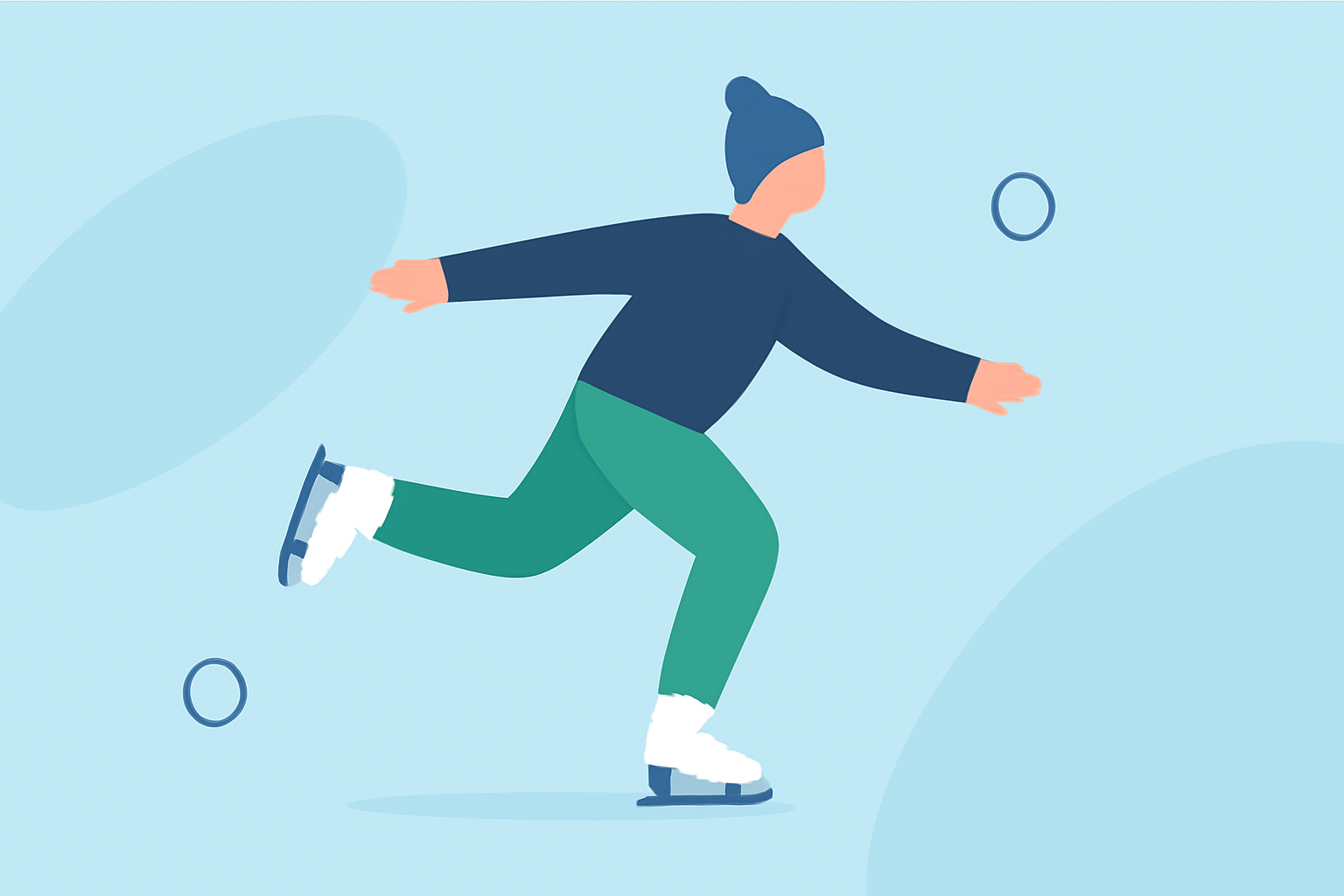
Stance and Posture: Maintain a slight bend in your knees, keep your back straight, and hold your arms out for balance.
-
Gliding: Push off with one foot, then glide on the other, alternating legs to build momentum.
-
Stopping: Learn the snowplow stop by forming a wedge with your skates to gradually slow down.
2. How Do I Improve My Balance and Stability?
Enhancing balance is key to progressing in ice skating:
-
Core Strengthening: Engage in exercises like planks and leg lifts to strengthen your core muscles.
-
Balance Drills: Practice standing on one foot and perform gentle turns to improve stability.
-
Edge Control: Work on using the inside and outside edges of your skates to maneuver effectively.
3. What Are the Best Practices for Turning and Maneuvering?
Mastering turns and maneuvers adds fluidity to your skating:
-
Two-Foot Turns: Begin with simple turns by shifting your weight and pivoting on both skates.
-
One-Foot Turns: Progress to turns on one foot, focusing on weight distribution and edge control.
-
Crossovers: Practice crossing one foot over the other in a circular motion to gain speed and control.
4. How Can I Build Speed and Agility on the Ice?
Increasing speed and agility requires:
-
Stride Length: Take longer strides to cover more distance and build speed.
-
Push Technique: Push off the ice with more force to accelerate.
-
Agility Drills: Incorporate cone drills and quick direction changes to enhance responsiveness.
5. What Are Advanced Techniques for Experienced Skaters?
For those looking to challenge themselves:
-
Jumps: Start with basic jumps like the waltz jump, focusing on timing and landing.
-
Spins: Practice spins by finding your center and maintaining balance during the rotation.
-
Footwork Sequences: Combine various steps and turns to create intricate routines.
6. How Do I Maintain My Skates for Optimal Performance?
Proper skate maintenance ensures safety and performance:
-
Sharpening: Regularly sharpen your skates to maintain a good edge on the ice.
-
Cleaning: Wipe down your skates after each use to remove moisture and prevent rust.
-
Storage: Store skates in a dry place and use skate guards to protect the blades.
7. What Are the Safety Measures I Should Follow?
Safety is paramount in ice skating:
-
Warm-Up: Always warm up before skating to prepare your muscles and prevent injuries.
-
Protective Gear: Consider wearing a helmet, especially for beginners or when practicing new skills.
-
Stay Alert: Be aware of your surroundings and other skaters to avoid collisions.
By following this structured approach, you can develop your ice skating skills progressively and safely. Remember, consistent practice and attention to technique are key to becoming a proficient skater.