
Mastering Outdoor Cooking: Adapting to Weather Conditions
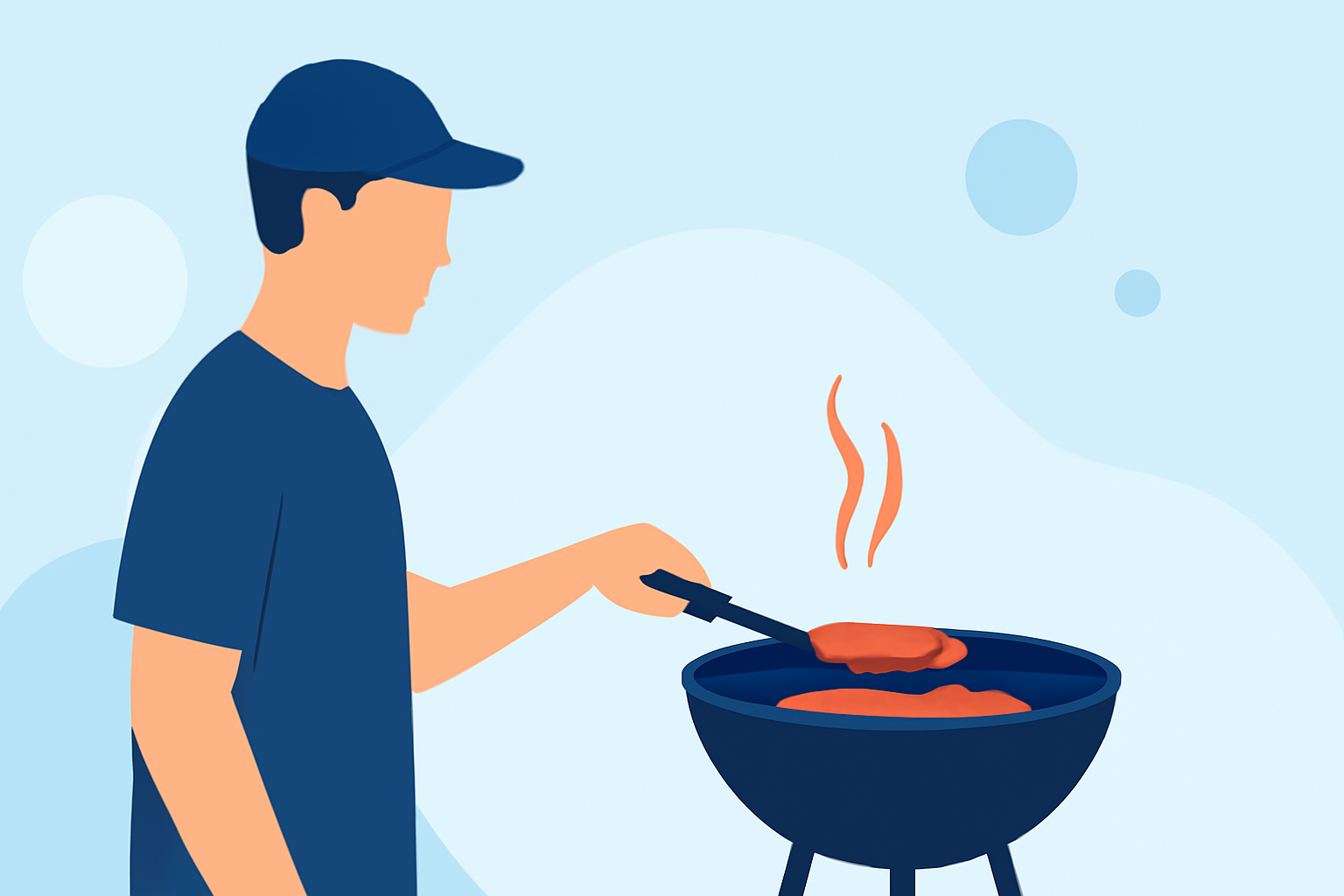
Outdoor cooking offers a delightful way to enjoy meals, but weather conditions can significantly impact your grilling experience. Understanding how different weather elements affect your cooking can help you adapt and achieve the best results. Here's how to navigate various weather scenarios:
How Does Wind Affect Outdoor Cooking?
Wind can disrupt your cooking process by causing heat loss and uneven cooking temperatures. Strong gusts may even extinguish flames, especially on gas grills. To mitigate these effects:
-
Position Your Grill Strategically: Place your grill in a sheltered area to protect it from direct wind.
-
Use Windbreaks: Employ barriers like screens or walls to shield your cooking area.
-
Monitor Cooking Times: Wind can alter cooking times; keep a close eye on your food to prevent overcooking.
What Impact Does Rain Have on Grilling?
Rain introduces moisture, which can affect heat retention and cooking times. Additionally, wet conditions can pose safety risks. To grill safely in the rain:
-
Use a Covered Grill: Opt for a grill with a lid to protect the cooking area from rain.
-
Maintain Heat: Keep the lid closed as much as possible to retain heat and reduce cooking time.
-
Ensure Safety: Avoid grilling during thunderstorms to prevent lightning hazards.
How Does Temperature Affect Grilling Performance?
Extreme temperatures, both hot and cold, can influence your grill's performance:
-
In Hot Weather: High ambient temperatures can cause your grill to run hotter than the set temperature. (support.traeger.com)
-
In Cold Weather: Low temperatures may require longer preheating times and can lead to slower cooking. (support.traeger.com)
To adapt:
-
Adjust Cooking Times: Be prepared to modify cooking times based on the temperature.
-
Use Insulation: Consider using an insulation blanket for your grill to maintain consistent temperatures in cold weather. (support.traeger.com)
What Role Does Humidity Play in Outdoor Cooking?
High humidity levels can affect cooking times and food texture:
-
Extended Cooking Times: Humidity can slow down cooking, requiring adjustments to your grilling schedule.
-
Increased Flare-Ups: Moisture can lead to more grease dripping, increasing the risk of flare-ups. (backyardoven.com)
To manage humidity:
-
Monitor Food Closely: Keep an eye on your food to prevent overcooking.
-
Control Airflow: Adjust your grill's vents to manage heat and smoke.
How Can I Protect My Outdoor Cooking Equipment?
Protecting your equipment from the elements ensures longevity and consistent performance:
-
Use Covers: Invest in high-quality covers to shield your grill from rain, snow, and sun.
-
Regular Maintenance: Clean your grill after each use and perform routine checks for wear and tear.
-
Store Properly: When not in use, store your equipment in a dry, sheltered location.
By understanding and adapting to various weather conditions, you can enhance your outdoor cooking experience and enjoy delicious meals year-round.