
Mastering Outdoor Photography During Winter Storms
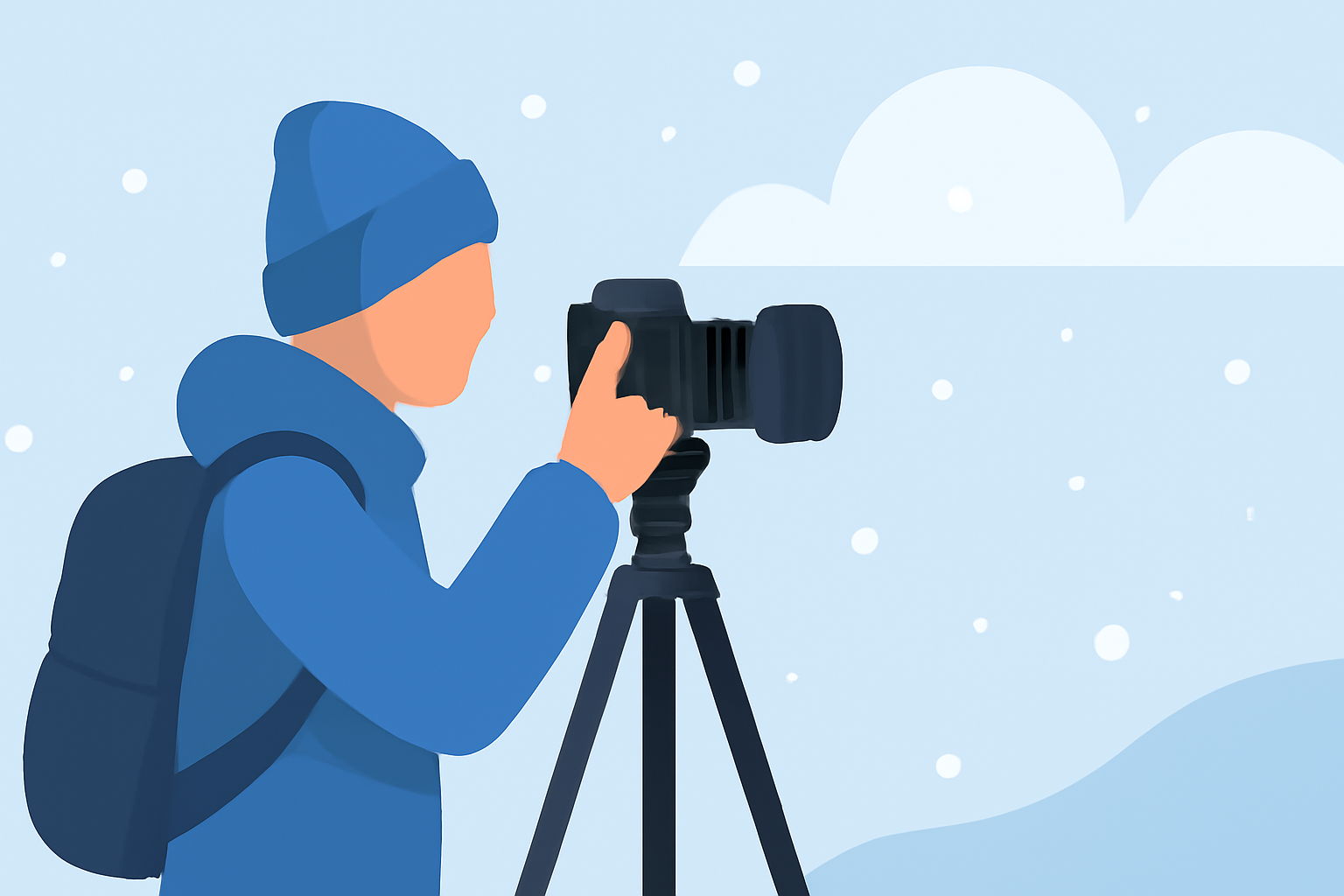
Winter storms offer photographers unique opportunities to capture dramatic and ethereal images. However, shooting in such conditions requires careful preparation and understanding of specific techniques.
1. How Do Winter Storms Affect Outdoor Photography?
Winter storms introduce challenges like heavy snowfall, reduced visibility, and rapidly changing light conditions. These elements can transform familiar landscapes into otherworldly scenes, but they also demand adaptability and caution from photographers.
2. What Are the Essential Preparations Before Heading Out?
-
Monitor Weather Forecasts: Stay updated on storm developments to plan your shoots safely.
-
Protect Your Gear: Use weather-resistant camera covers to shield equipment from snow and moisture. (skylum.com)
-
Dress Appropriately: Layer clothing to maintain warmth and comfort during extended outdoor sessions.
3. How Should You Adjust Camera Settings for Winter Storms?
-
Exposure Compensation: Snow can trick your camera's metering system into underexposing images. Increase exposure by one to two stops to ensure snow appears white, not gray. (outdoorphotographer.com)
-
White Balance: Set the white balance to 'cloudy' or manually adjust to prevent blue or magenta hues in snowy scenes.
-
Shutter Speed: To capture falling snowflakes, use a fast shutter speed (1/400s or faster) to freeze motion. (skylum.com)
4. What Composition Techniques Enhance Winter Storm Photographs?
-
Include Foreground Elements: Incorporate trees, buildings, or other structures to add depth and context to your images.
-
Use Leading Lines: Paths, fences, or rivers can guide the viewer's eye through the scene, creating a sense of movement.
-
Embrace Minimalism: Snow-covered landscapes often benefit from simple compositions that highlight the purity and serenity of the environment.
5. How Can You Ensure Safety While Photographing in Winter Storms?
-
Stay Informed: Keep track of weather updates and be prepared to seek shelter if conditions worsen.
-
Avoid Risky Areas: Steer clear of locations prone to avalanches, flooding, or other hazards exacerbated by storms.
-
Protect Yourself and Your Gear: Use insulated gloves, wear waterproof boots, and keep spare batteries warm to prevent them from draining quickly. (bhphotovideo.com)
6. How Should You Care for Your Equipment After Shooting in Snowy Conditions?
-
Dry Thoroughly: After returning indoors, remove any snow and moisture from your gear and allow it to dry completely to prevent mold and corrosion.
-
Check for Damage: Inspect your equipment for any signs of water ingress or other issues before storing it.
-
Store Properly: Keep your gear in a dry, temperature-controlled environment to maintain its longevity.
By understanding and preparing for the unique challenges posed by winter storms, photographers can capture breathtaking images while ensuring their safety and the well-being of their equipment.
Highlights:
- When most photographers go indoors, the real magic begins outside - Pro tips for shooting storms, fog and night skies, Published on Saturday, June 13