
Mastering Outdoor Pilates: Essential Tips for Every Weather
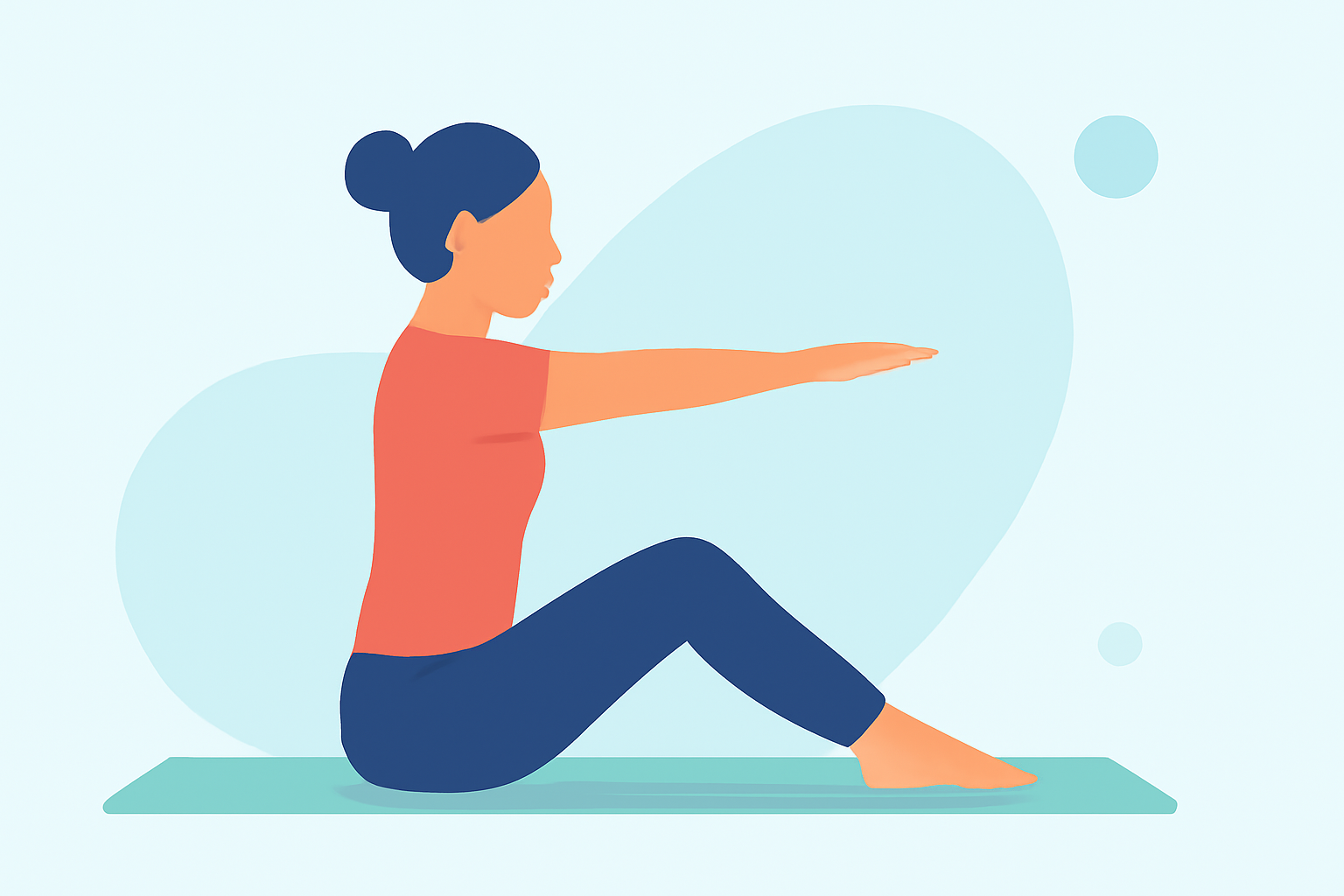
Practicing Pilates outdoors offers a refreshing change from the studio, connecting you with nature and enhancing your workout experience. However, weather conditions can significantly impact your session. Here's how to adapt your Pilates practice to various weather scenarios:
1. How Can I Safely Practice Pilates in Hot Weather?
Hot temperatures can lead to dehydration and fatigue. To ensure a safe and effective session:
-
Time Your Workout Wisely: Opt for early morning or late evening sessions when temperatures are cooler.
-
Stay Hydrated: Drink water before, during, and after your workout to maintain hydration.
-
Choose Appropriate Clothing: Wear light, breathable fabrics to keep cool.
-
Listen to Your Body: If you feel dizzy or overly fatigued, take a break or end the session.
2. What Should I Do During Rainy Conditions?
Rain can make surfaces slippery and uncomfortable. To practice safely:
-
Select a Suitable Location: Find a covered area or shelter to protect yourself from rain.
-
Use Non-Slip Mats: Ensure your mat has a good grip to prevent slipping.
-
Adjust Your Routine: Focus on exercises that can be performed safely under shelter.
3. How Do I Adapt My Practice in Windy Weather?
Wind can be distracting and may affect your balance. To maintain focus:
-
Choose a Sheltered Spot: Set up in an area protected from strong winds.
-
Secure Your Equipment: Use weights or anchors to keep your mat and props in place.
-
Modify Your Routine: Opt for exercises that require less balance and are less affected by wind.
4. What Are the Best Practices for Cold Weather Sessions?
Cold temperatures can lead to muscle stiffness. To stay comfortable:
-
Warm Up Thoroughly: Spend extra time warming up to prepare your muscles.
-
Dress in Layers: Wear multiple layers that can be added or removed as needed.
-
Use Insulated Mats: Consider mats designed for cold conditions to provide extra cushioning.
5. How Can I Protect Myself from the Sun During Outdoor Pilates?
Sun exposure can lead to skin damage. To safeguard yourself:
-
Apply Sunscreen: Use a broad-spectrum sunscreen with at least SPF 30.
-
Wear Protective Gear: Consider wearing a hat and sunglasses to shield your face and eyes.
-
Schedule Wisely: Practice during times when the sun is less intense, such as early morning or late afternoon.
6. How Do I Manage Allergies During Outdoor Pilates?
Pollen and other allergens can affect your breathing and comfort. To minimize issues:
-
Check Pollen Levels: Be aware of local pollen forecasts and plan your sessions accordingly.
-
Choose Low-Allergen Areas: Opt for locations with fewer flowering plants or trees.
-
Wear a Mask: Consider wearing a mask to reduce inhalation of allergens.
7. What Are the Benefits of Practicing Pilates Outdoors?
Outdoor Pilates offers several advantages:
-
Enhanced Mental Well-being: Exposure to nature can reduce stress and improve mood.
-
Improved Air Quality: Fresh air can enhance breathing and oxygen intake.
-
Vitamin D Exposure: Sunlight helps in the production of vitamin D, beneficial for bone health.
8. How Can I Create an Ideal Outdoor Pilates Space?
Designing a dedicated area can enhance your practice:
-
Choose a Flat, Stable Surface: Ensure the ground is even to prevent injuries.
-
Use Quality Equipment: Invest in a durable, non-slip mat suitable for outdoor use.
-
Add Personal Touches: Incorporate elements like plants or calming decorations to create a motivating environment.
By considering these factors, you can enjoy a safe and effective Pilates practice outdoors, regardless of the weather conditions.