
Mastering Snowplow Stopping Techniques for Beginners
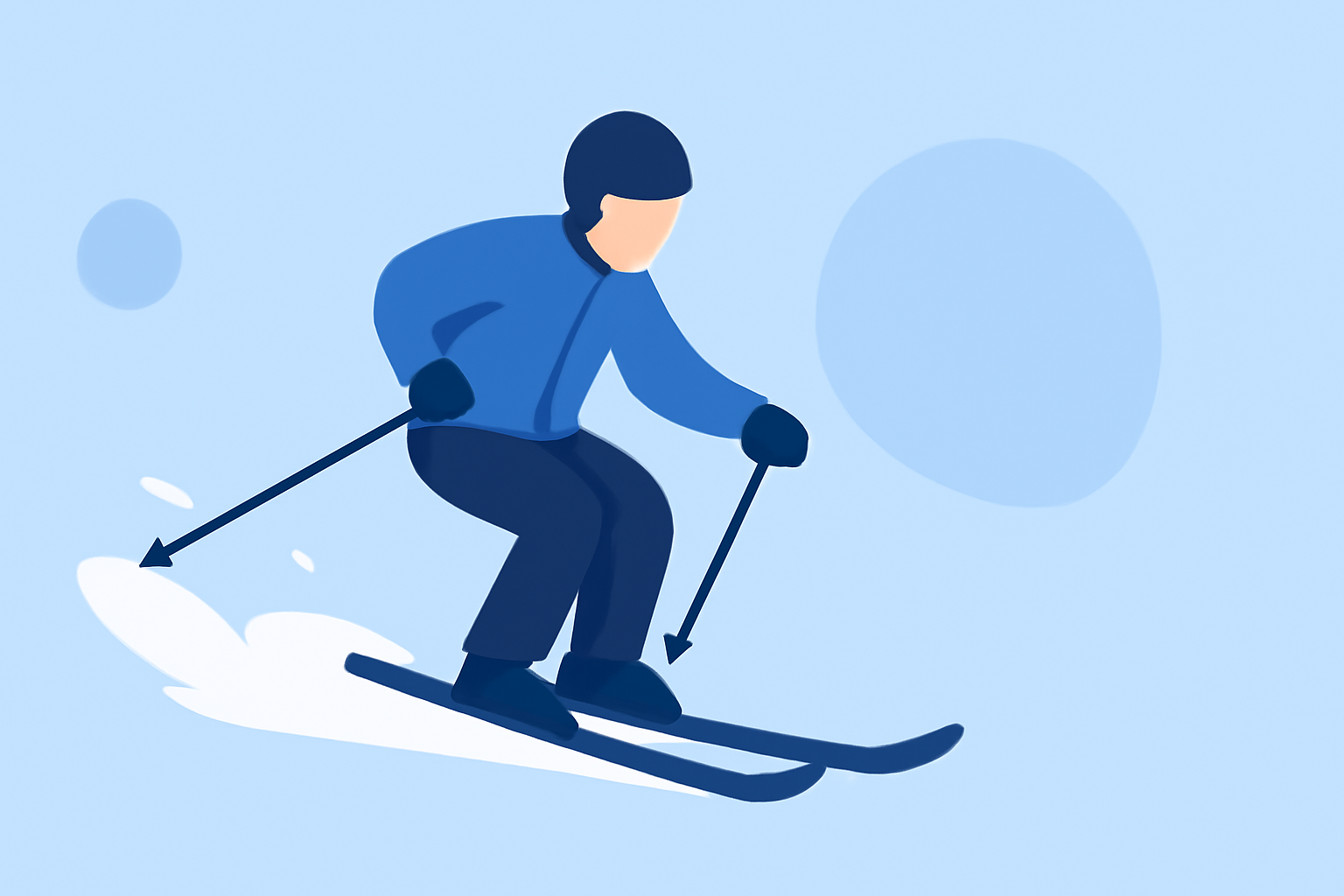
Mastering the art of stopping is crucial for anyone venturing onto snow-covered terrains, whether on skis, skates, or a snowboard. The snowplow stop, also known as the wedge stop, is a fundamental technique that provides stability and control, especially for beginners.
What Is the Snowplow Stop?
The snowplow stop involves forming a "V" shape with your equipment to create friction against the snow, gradually reducing your speed until you come to a complete halt. This method is widely recommended for its simplicity and effectiveness.
How to Perform the Snowplow Stop on Skis
- Position Your Skis: While gliding forward, gently push the backs of both skis outwards, forming a triangle or "V" shape.
- Apply Pressure: Increase the size of the triangle by pushing your heels further apart, applying pressure to the inside edges of your skis.
- Maintain Balance: Keep your knees slightly bent and your weight centered over your skis to maintain stability.
- Gradual Stop: Continue to widen the "V" until you come to a smooth stop.
This technique is particularly effective on gentle slopes and is often the first method taught to beginners. (snowsunsee.com)
How to Perform the Snowplow Stop on Skates
- Glide Forward: Begin by skating forward at a comfortable speed.
- Form the "V" Shape: Angle your skates inward, creating a "V" shape with your toes pointing towards each other and heels apart.
- Apply Pressure: Gently press the inside edges of your skates into the ice to create friction.
- Slow Down: Increase the pressure gradually to slow down and come to a stop.
This method is essential for beginners to learn, as it provides a stable and controlled way to halt on the ice. (snowfeetstore.com)
How to Perform the Snowplow Stop on a Snowboard
- Position Your Board: While riding straight, turn your head to look to the side of the slope over your leading shoulder.
- Initiate the Turn: Allow your shoulders to turn slightly, which will turn your hips and the board.
- Apply Edge Pressure: Press the edge of your snowboard into the snow to create friction.
- Come to a Stop: Continue to apply pressure until you come to a complete halt.
This technique is crucial for controlling speed and stopping safely on a snowboard. (ridestore.com)
Common Mistakes to Avoid
- Insufficient "V" Formation: Not forming a wide enough "V" can result in ineffective stopping.
- Leaning Back: Leaning back too much can make it difficult to apply pressure to the inside edges.
- Using Poles to Stop: Relying on poles for stopping is ineffective; focus on using your equipment.
- Steep Terrain: Attempting to stop on steep slopes can be challenging; start on gentle terrain.
Tips for Effective Stopping
- Practice on Gentle Slopes: Begin on gentle terrain to build confidence and control.
- Maintain Proper Posture: Keep your knees slightly bent and weight centered over your equipment.
- Gradual Pressure: Apply pressure gradually to avoid sudden jerks or falls.
- Use Appropriate Equipment: Ensure your equipment is properly fitted and in good condition.
Mastering the snowplow stop is a vital skill that enhances safety and enjoyment on the slopes. By practicing this technique, you can gain better control and confidence, making your winter activities more enjoyable.
Highlights:
- Winter Driving Tips, Published on Friday, May 08