
Mastering Tennis Techniques: A Step-by-Step Guide
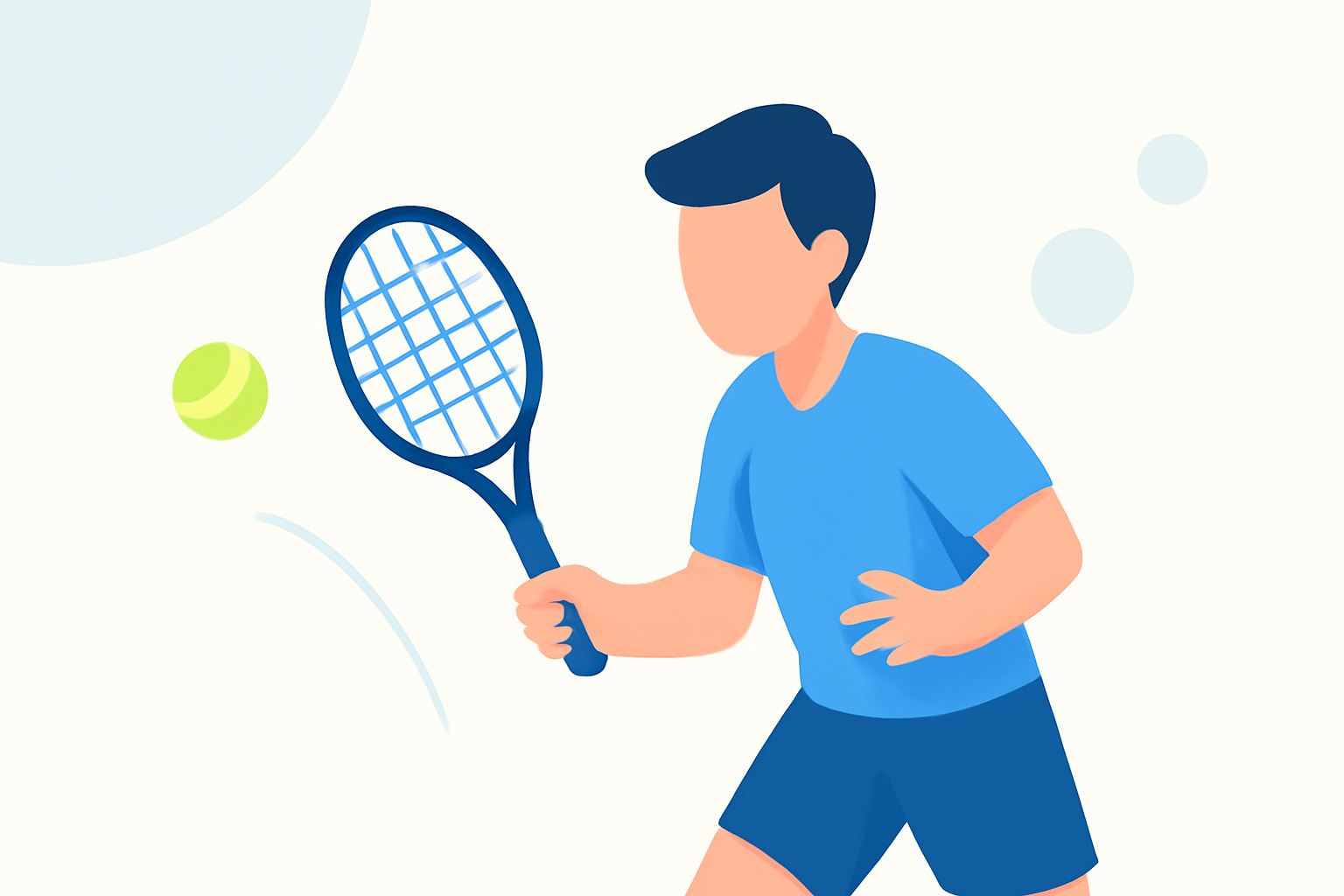
Tennis is a dynamic sport that combines agility, precision, and strategy. Mastering fundamental techniques is crucial for players at all levels. This guide provides a step-by-step approach to four essential strokes: the forehand, backhand, volley, and overhead.
How Do You Execute a Forehand in Tennis?
The forehand is often the first stroke beginners learn and remains a cornerstone of every player’s game. A well‑executed forehand combines proper grip, stance, swing, and follow‑through to generate power and control.
1. Choosing the Right Grip
Your grip sets the foundation for your forehand. Each grip influences your ability to generate topspin, handle high or low balls, and adapt to different surfaces. Common grips include:
-
Eastern Grip: Place the base knuckle of your index finger on the third bevel of the racquet handle. This neutral grip offers a balance of power and spin, making it popular among beginners and all‑court players.
-
Semi‑Western Grip: Rotate your hand one bevel further underneath the handle. This grip facilitates topspin and is used by many modern baseline players.
-
Western Grip: Rotate further underneath so the palm is almost under the handle. It maximizes topspin but can be challenging on low balls.
2. Ready Position and Preparation
Begin in a balanced ready position: feet shoulder‑width apart, knees slightly bent, weight on the balls of your feet, and both hands on the racquet. Keep the racquet head at waist level and your eyes on your opponent. When you see the ball coming to your forehand side:
-
Turn Your Shoulders: Rotate your upper body so your non‑dominant shoulder points toward the net. This coil stores energy for the swing.
-
Set Your Feet: Step forward with your left foot (if you’re right‑handed) into either a neutral stance (feet parallel) or closed stance (front foot ahead), depending on your comfort and court position.
-
Unit Turn: Moving the racquet back and turning simultaneously (known as the unit turn) prevents taking the racquet back too late.
3. The Backswing
The backswing sets the path for a clean and powerful shot. Key elements include:
-
Low Racquet Position: Drop the racquet head below the level of the ball. This ensures you can brush up on the ball to impart topspin.
-
Relaxed Arm: Keep your hitting arm loose. Gripping too tightly can cause tension and hinder fluid motion.
-
Loop or Straight Backswing: Some players use a looped motion, drawing the racquet down and around before moving forward; others use a more compact straight take‑back. Both can be effective as long as timing is consistent.
4. Forward Swing and Contact
Accelerate the racquet toward the ball using your legs, hips, and shoulders. Key steps:
-
Weight Transfer: Shift your weight from your back foot to your front foot. Push off the ground with your back leg to generate power.
-
Brush Up: Swing from low to high, brushing up on the ball. This motion creates topspin, causing the ball to dip into the court and adding margin for error.
-
Keep Your Eyes on the Ball: Watch the ball until just after contact to improve timing.
-
Contact Point: Strike the ball in front of your body, around waist height. Early contact allows you to direct the ball and maintain balance.
5. Follow‑Through and Finish
After contact, your motion should continue smoothly:
-
Extension: Extend your arm toward your target, keeping the racquet face facing slightly up.
-
Wrap Over Shoulder: Finish high, with the racquet wrapping over your non‑dominant shoulder. This high finish encourages topspin and completes the kinetic chain.
-
Recovery: Quickly return to the ready position. Proper recovery prepares you for the next shot and maintains court balance.
Common Mistakes
Beginning players often develop habits that hinder their forehand. Avoid these pitfalls:
-
Late Preparation: Starting the backswing too late results in rushed contact and mishits.
-
Over‑Gripping: Holding the racquet too tightly restricts fluid motion.
-
No Weight Transfer: Swinging with only your arm yields weak shots. Use your legs and core to drive through the ball.
-
Finishing Too Low: Failing to finish high can cause the ball to sail long or into the net.
Drills for Improvement
Practice is vital for mastering the forehand. Incorporate these drills into your training:
-
Shadow Swings: Without a ball, practice the entire motion slowly, focusing on technique and rhythm. Repeat 10–20 times.
-
Short‑Court Forehands: Start closer to the net and rally using mini swings. Gradually move back to baseline as your consistency improves.
-
Crosscourt Rally: Rally with a partner crosscourt, aiming to keep the ball deep and maintain consistency. Crosscourt shots travel over the lowest part of the net and give you more court to aim for.
-
Target Practice: Place cones or markers in the back corners and practice hitting them. Vary height and spin.
How Do You Execute a Backhand in Tennis?
The backhand is a fundamental stroke in tennis, allowing players to return shots on their non-dominant side. Mastering the backhand involves proper grip, stance, swing mechanics, and follow-through.
1. Choosing the Right Grip
The grip you select influences the power, control, and spin of your backhand. Common grips include:
-
Eastern Backhand Grip: Place the base knuckle of your index finger on the top bevel of the racquet handle. This grip offers a balance of power and control.
-
Semi‑Western Backhand Grip: Rotate your hand slightly under the handle, providing more topspin.
-
Two‑Handed Backhand Grip: Place your non‑dominant hand below your dominant hand on the handle. This grip offers stability and power, especially for beginners.
2. Ready Position and Preparation
Begin in a balanced ready position: feet shoulder‑width apart, knees slightly bent, weight on the balls of your feet, and both hands on the racquet. Keep the racquet head at waist level and your eyes on your opponent. When you see the ball coming to your backhand side:
-
Turn Your Shoulders: Rotate your upper body so your non‑dominant shoulder points toward the net.
-
Set Your Feet: Step forward with your right foot (if you’re right‑handed) into either a neutral stance (feet parallel) or closed stance (front foot ahead), depending on your comfort and court position.
-
Unit Turn: Moving the racquet back and turning simultaneously (known as the unit turn) prevents taking the racquet back too late.
3. The Backswing
The backswing sets the path for a clean and powerful shot. Key elements include:
-
Low Racquet Position: Drop the racquet head below the level of the ball.
-
Relaxed Arm: Keep your hitting arm loose.
-
Loop or Straight Backswing: Some players use a looped motion, drawing the racquet down and around before moving forward; others use a more compact straight take‑back.
4. Forward Swing and Contact
Accelerate the racquet toward the ball using your legs, hips, and shoulders. Key steps:
-
Weight Transfer: Shift your weight from your back foot to your front foot.
-
Brush Up: Swing from low to high, brushing up on the ball.
-
Keep Your Eyes on the Ball: Watch the ball until just after contact to improve timing.
-
Contact Point: Strike the ball in front of your body, around waist height.
5. Follow‑Through and Finish
After contact, your motion should continue smoothly:
-
Extension: Extend your arm toward your target, keeping the racquet face facing slightly up.
-
Wrap Over Shoulder: Finish high, with the racquet wrapping over your non‑dominant shoulder.
-
Recovery: Quickly return to the ready position.
Common Mistakes
Avoid these pitfalls:
-
Late Preparation: Starting the backswing too late results in rushed contact and mishits.
-
Over‑Gripping: Holding the racquet too tightly restricts fluid motion.
-
No Weight Transfer: Swinging with only your arm yields weak shots.
-
Finishing Too Low: Failing to finish high can cause the ball to sail long or into the net.
Drills for Improvement
Incorporate these drills into your training:
-
Shadow Swings: Without a ball, practice the entire motion slowly, focusing on technique and rhythm. Repeat 10–20 times.
-
Short‑Court Backhands: Start closer to the net and rally using mini swings. Gradually move back to baseline as your consistency improves.
-
Crosscourt Rally: Rally with a partner crosscourt, aiming to keep the ball deep and maintain consistency.
-
Target Practice: Place cones or markers in the back corners and practice hitting them. Vary height and spin.
How Do You Execute a Volley in Tennis?
The volley is a fundamental stroke in tennis, allowing players to intercept and return shots before they bounce. Mastering the volley involves proper grip, stance, swing mechanics, and follow-through.
1. Choosing the Right Grip
The best grip for all volleys is the continental grip. It positions your hand like you’re holding a hammer, giving control and versatility for both sides. This grip lets you hit forehand and backhand volleys without changing your hand position. It also keeps your wrist firm and your racket face stable through contact.
2. Ready Position and Split Step
Stand with your racket in front, using a continental grip. Just before your opponent hits, make a small hop to balance your body. This prepares you to move quickly in any direction.
3. Step Forward
Move toward the ball with your leading foot to control momentum. This helps you intercept the ball effectively.
4. Punch and Hold
Push through the ball and freeze your follow-through to keep it compact. This step-by-step form keeps your swing tight, which prevents overhitting or mis-timing volleys.
Common Mistakes
Avoid these pitfalls:
-
Late Preparation: Starting the backswing too late results in rushed contact and mishits.
-
Over‑Gripping: Holding the racquet too tightly restricts fluid motion.
-
No Weight Transfer: Swinging with only your arm yields weak shots.
-
Finishing Too Low: Failing to finish high can cause the ball to sail long or into the net.
Drills for Improvement
Incorporate these drills into your training:
-
Shadow Swings: Without a ball, practice the entire motion slowly, focusing on technique and rhythm. Repeat 10–20 times.
-
Short‑Court Volleys: Start closer to the net and rally using mini swings. Gradually move back to baseline as your consistency improves.
-
Crosscourt Rally: Rally with a partner crosscourt, aiming to keep the ball deep and maintain consistency.
-
Target Practice: Place cones or markers in the back corners and practice hitting them. Vary height and spin.
How Do You Execute an Overhead in Tennis?
The overhead is a powerful stroke used to intercept and return lobs. Mastering the overhead involves proper grip, stance, swing mechanics, and follow-through.
1. Choosing the Right Grip
Use the hammer/continental grip, the same grip you use for serves and overheads. This grip provides control and power for overhead shots.
2. Turn Sideways
Pivot on the non-dominant foot and step back with the dominant foot to create shoulder rotation. This prepares your body to generate power.
3. Track the Ball with the Non-Dominant Hand
Bring both hands up, point to the ball, and practice “catching” the ball at the highest reach. This helps timing.
4. Form the L
Once the racquet is above eye level, separate the hands and hold the L position (between the upper arm and forearm). This position prepares you for the swing.
5. Racket Drop and Contact
Let the racquet drop behind your back, then drive up with pronation, contacting the ball at the peak of reach, and finish with a serve-like follow-through. This technique maximizes power and control.
Common Mistakes
Avoid these pitfalls:
-
Late Preparation: Starting the backswing too late results in rushed contact and mishits.
-
Over‑Gripping: Holding the racquet too tightly restricts fluid motion.
-
No Weight Transfer: Swinging with only your arm yields weak shots.
-
Finishing Too Low: Failing to finish high can cause the ball to sail long or into the net.
Drills for Improvement
Incorporate these drills into your training:
-
Shadow Swings: Without a ball, practice the entire motion slowly, focusing on technique and rhythm. Repeat 10–20 times.
-
Short‑Court Overheads: Start closer to the net and rally using mini swings. Gradually move back to baseline as your consistency improves.
-
Crosscourt Rally: Rally with a partner crosscourt, aiming to keep the ball deep and maintain consistency.
-
Target Practice: Place cones or markers in the back corners and practice hitting them. Vary height and spin.
By focusing on these fundamental techniques and consistently practicing the recommended drills, you can enhance your tennis skills and enjoy the game to its fullest.