
Maximizing Outdoor Laundry Efficiency with Your Apple Watch: Common Mistakes to Avoid
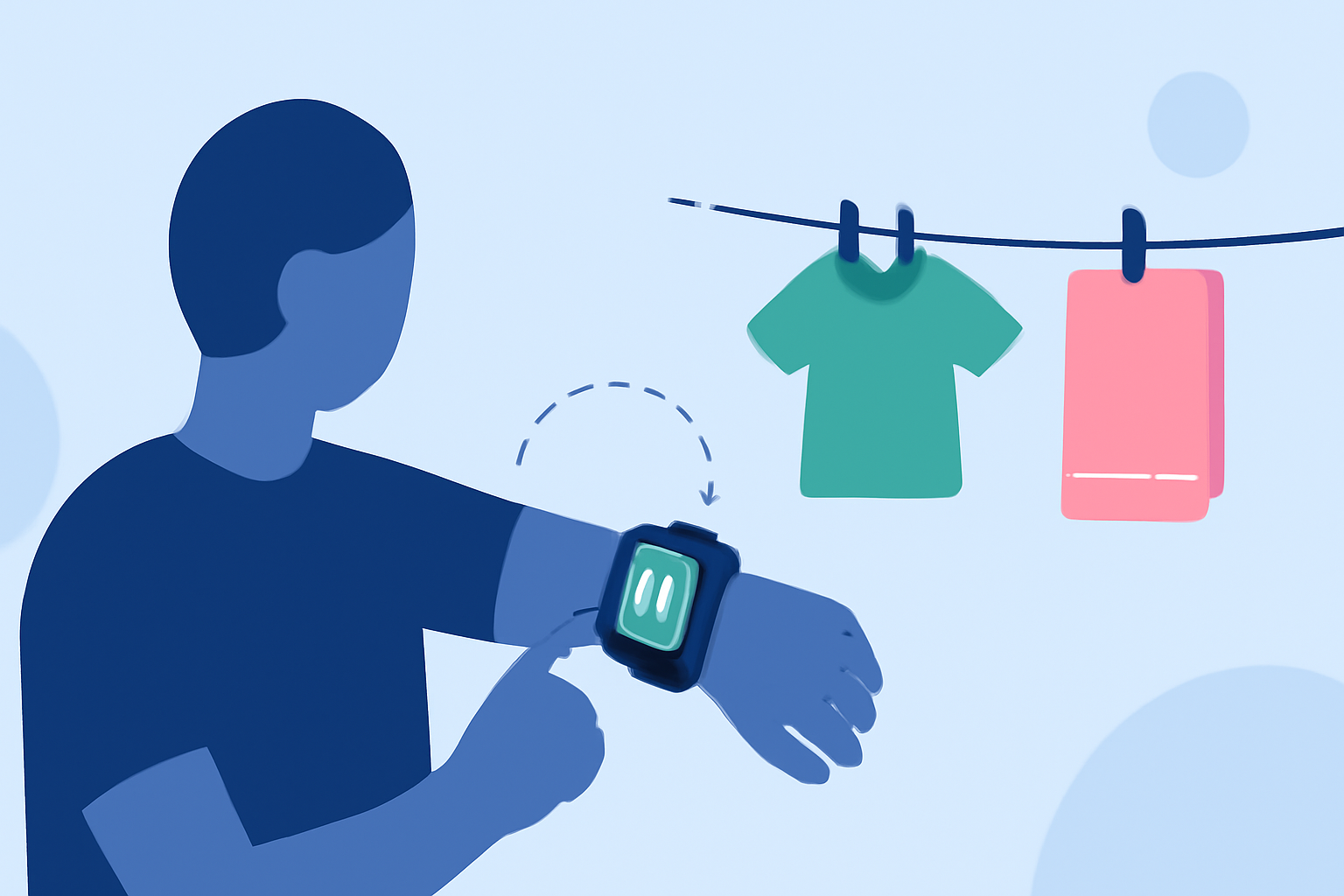
Planning to dry your laundry outdoors can be both energy-efficient and gentle on fabrics. Your Apple Watch can be a valuable tool in this process, but it's essential to use it correctly to avoid common pitfalls.
1. Not Utilizing the Weather App for Laundry Planning
The Weather app on your Apple Watch provides real-time updates on temperature, humidity, and precipitation—crucial factors for drying clothes outdoors. By regularly checking this app, you can determine the optimal times to hang out your laundry.
2. Ignoring the Apple Watch's Operating Temperature Range
Apple Watch is designed to operate best in ambient temperatures between 32° and 95°F (0° and 35°C). Exposing your watch to temperatures outside this range can lead to reduced battery life and potential damage. For instance, leaving your watch in direct sunlight or a hot car can cause it to overheat. If this happens, the watch will display a red thermometer icon and may shut down until it cools down. (support.apple.com)
3. Overlooking the Importance of Location Services
For accurate weather updates, ensure that your Apple Watch has access to your location. Go to your iPhone's Settings > Privacy & Security > Location Services, and make sure it's enabled for the Weather app. This allows the watch to provide precise forecasts tailored to your area. (idownloadblog.com)
4. Not Using Laundry-Specific Apps
While the Weather app is useful, specialized apps can offer more detailed insights. For example, the "Dry My Washing" app provides rain alerts and drying time estimates based on current conditions, helping you decide the best times to hang out your laundry. (apps.apple.com)
5. Forgetting to Charge Your Apple Watch
A low battery can hinder your watch's functionality. Ensure your Apple Watch is charged to at least 30% before relying on it for weather updates. This practice ensures that the watch remains operational throughout the day, especially when planning outdoor activities like laundry drying. (tomsguide.com)
6. Not Cleaning Your Apple Watch Regularly
Dirt and grime can accumulate on your watch, affecting its performance. Regularly clean your Apple Watch with a non-abrasive, lint-free cloth to maintain its functionality. Avoid exposing it to soap, detergents, or other cleaning agents that can damage the device. (iphonefaq.org)
7. Not Monitoring the Watch's Temperature During Use
If your Apple Watch becomes too hot, it may display a red thermometer icon and shut down until it cools. To prevent this, avoid exposing the watch to direct sunlight or high temperatures. If it does overheat, remove it from your wrist and place it in a cooler environment. (support.apple.com)
8. Not Utilizing the Watch's Water Resistance Features Properly
While Apple Watch is water-resistant, it's not waterproof. Avoid exposing it to soap, detergents, or other cleaning agents that can damage the device. If your watch gets wet, rinse it with fresh water and dry it with a soft, lint-free cloth. (iphonefaq.org)
9. Not Keeping the Watch Updated
Ensure your Apple Watch is running the latest watchOS version. Updates often include bug fixes and improvements that can enhance the performance of apps like Weather, ensuring you receive accurate and timely information. (idownloadblog.com)
10. Not Using the Watch's Battery Efficiently
To extend battery life, consider using the watch's Power Reserve mode when not actively using it. This mode conserves battery life by limiting functionality, allowing you to use the watch for essential tasks like checking the time or receiving notifications.
By avoiding these common mistakes, you can effectively use your Apple Watch to plan and monitor your outdoor laundry sessions, ensuring optimal drying conditions and device longevity.