
Maximizing Safety: Essential Tips for Outdoor Enthusiasts Using Wireless Emergency Alerts
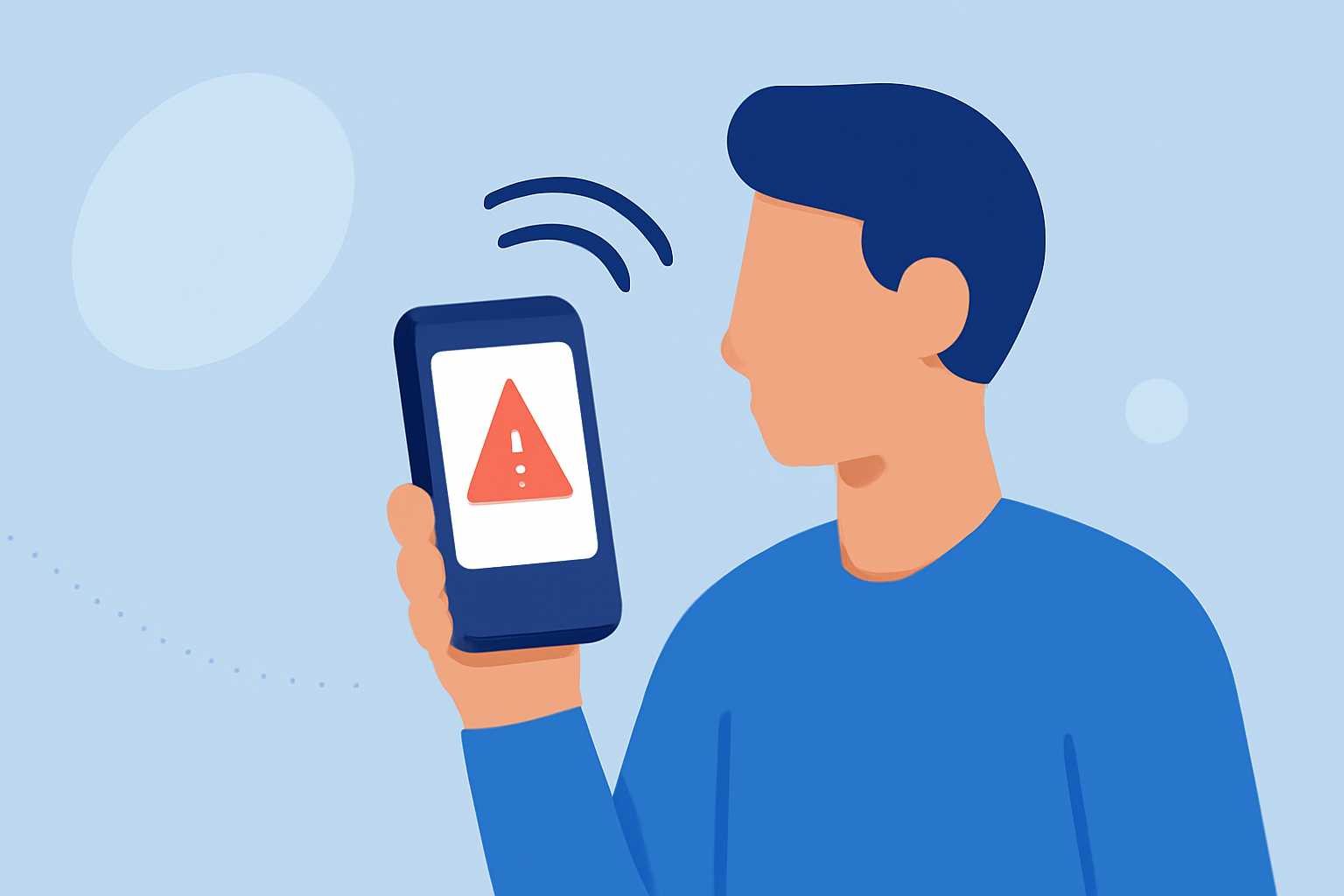
As an outdoor enthusiast, staying informed about potential hazards is crucial for your safety. Wireless Emergency Alerts (WEA) are a vital tool that can help you receive timely information about emergencies in your area.
What Are Wireless Emergency Alerts (WEA)?
WEA are emergency messages sent by authorized government authorities directly to your mobile device. These alerts include weather warnings, local emergencies, AMBER Alerts, and Presidential Alerts during national emergencies. They are broadcast from cell towers to all WEA-capable phones within range, ensuring that you receive critical information promptly. (weather.gov)
How Do WEA Benefit Outdoor Enthusiasts?
For those who spend time outdoors, WEA provide real-time updates on severe weather conditions, natural disasters, and other emergencies that could impact your activities. By receiving these alerts, you can make informed decisions, seek shelter when necessary, and avoid dangerous situations.
Types of Alerts You May Receive
WEA encompass several types of alerts, including:
-
Imminent Threats and Local Emergencies: Such as severe weather warnings (e.g., tornado, flash flood, hurricane), local emergencies requiring evacuation or immediate action, and other hazards. (weather.gov)
-
AMBER Alerts: Notifications about child abductions.
-
Presidential Alerts: Messages issued by the President during national emergencies.
How to Receive WEA
To receive WEA, ensure that your mobile device is WEA-capable and that your wireless carrier participates in the program. Most modern smartphones are equipped to receive these alerts. No subscription or sign-up is required; alerts are sent automatically when you are in the affected area. (weather.gov)
Setting Up Your Device
Typically, WEA are enabled by default on WEA-capable devices. However, it's advisable to check your device settings to confirm that you are set to receive these alerts. If you have any questions or need assistance, contact your wireless carrier or device manufacturer.
Understanding Alert Messages
WEA messages are concise, usually up to 90 characters, and include:
-
Type of Alert: Indicating the nature of the emergency.
-
Time of Alert: When the alert was issued.
-
Action to Take: Guidance on what steps to follow.
These messages are accompanied by a unique tone and vibration to distinguish them from regular notifications. (weather.gov)
Additional Resources
In addition to WEA, consider utilizing NOAA Weather Radio, which broadcasts continuous weather information and emergency alerts 24/7. This can be a valuable backup to stay informed about weather conditions and emergencies. (weather.gov)
Conclusion
By understanding and utilizing Wireless Emergency Alerts, you can enhance your safety during outdoor activities. Staying informed allows you to make timely decisions and take appropriate actions in response to emergencies.
Highlights:
- NWS Enhances Weather Warnings on the Go!