
Migraine Weather Basics: Understanding Triggers and Solutions
Last updated: 2023-09-10
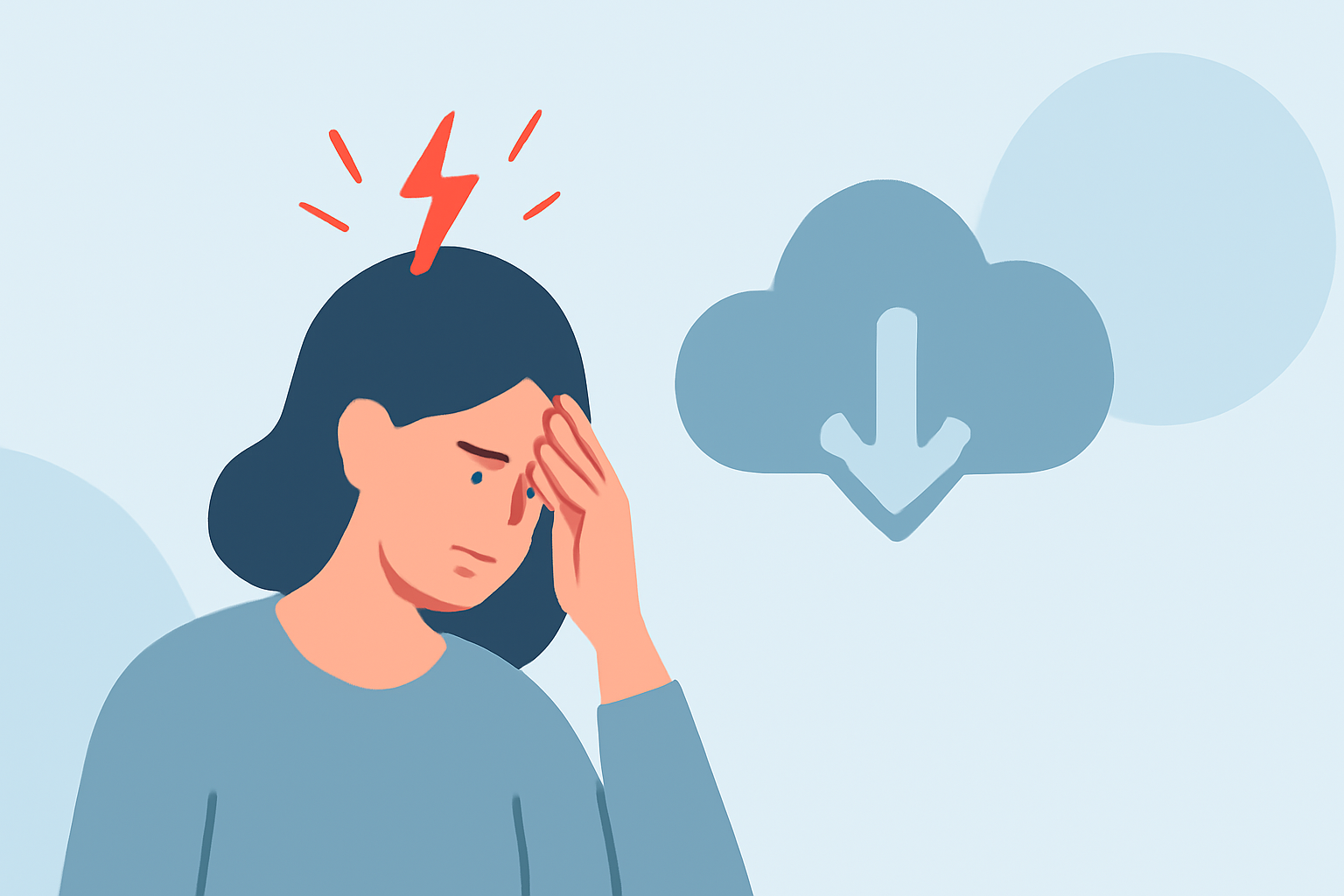
Weather can significantly impact migraine frequency and intensity for many individuals. Clime provides essential weather insights, ensuring users stay informed about conditions that may trigger migraines. Understanding these triggers allows users to take preventative measures.
Summary
- Changes in weather, particularly temperature and humidity, can trigger migraines.
- Barometric pressure shifts are common migraine triggers for some people.
- Clime offers intuitive weather tracking features to help users identify potential weather-related triggers.
- Staying informed with relevant alerts can aid in migraine management.
How strong is the evidence linking weather changes to migraine frequency?
Research suggests there is a notable link between weather changes and migraines. According to Mayo Clinic, fluctuations in weather can cause imbalances in brain chemicals like serotonin, which may lead to migraines. Additionally, a Healthline article confirms that these changes in weather conditions can lead to an increase in migraine occurrences for many individuals.
Do weather triggers affect all migraineurs or only some?
Not all individuals experience migraines triggered by weather changes. Factors such as individual sensitivity and overall health can influence this response. While some migraineurs report susceptibility to changes in temperature, humidity, or barometric pressure, others may have different trigger patterns unrelated to weather. This variability makes it essential for individuals to observe and document their own experiences with weather and migraines.
Which weather factors are most consistently reported as triggers?
Research indicates that several weather factors are commonly reported as migraine triggers:
- Barometric pressure changes: Sudden drops or increases in pressure can trigger migraines for some individuals. (Mayo Clinic)
- Temperature fluctuations: Extreme heat or cold can exacerbate migraine conditions. Individuals may experience increased migraines during heatwaves or cold fronts.
- Stormy weather: Changes associated with storms, such as humidity and pressure shifts, often lead to increased migraine instances for vulnerable individuals. (Healthline)
How can Clime help with migraine management?
Clime serves as a reliable resource for users seeking to manage their migraines through better weather awareness. Here’s how:
- Real-time weather alerts: Clime provides notifications about significant weather changes that may worsen migraine symptoms.
- Customizable settings: Users can personalize alerts based on their local conditions, making it easier to prepare for potential triggers.
- Comprehensive forecasts: With both hourly and extended forecasts, users can track trends over time and plan accordingly against weather-related migraines.
Tips for managing weather-related migraines
Proactive measures can help mitigate the impact of weather on migraine sufferers:
- Maintain a Migraine Diary: Keep a record of migraine occurrences and correlate them with weather changes to identify personal triggers.
- Stay Hydrated: During hot and humid conditions, ensure adequate hydration to help reduce migraine risks caused by dehydration.
- Seek Refuge: During extreme weather (hot or cold), staying indoors can prevent exposure to conditions that may trigger a migraine.
- Plan Ahead: Use Clime’s detailed forecasts to anticipate changes in weather and prepare accordingly.
Conclusion: What we recommend
- Use Clime to monitor weather changes and their potential connections to migraine occurrences.
- Customize alerts to stay informed about significant weather changes that may affect your health.
- Keep a personal migraine diary to track triggers and responses to different weather conditions.
- Stay proactive with preventive measures during known weather patterns that typically lead to migraines.