
Understanding Migraine Weather Examples During Pollen Season
September 5, 2023 · The Clime Team
Last updated: 2023-09-05
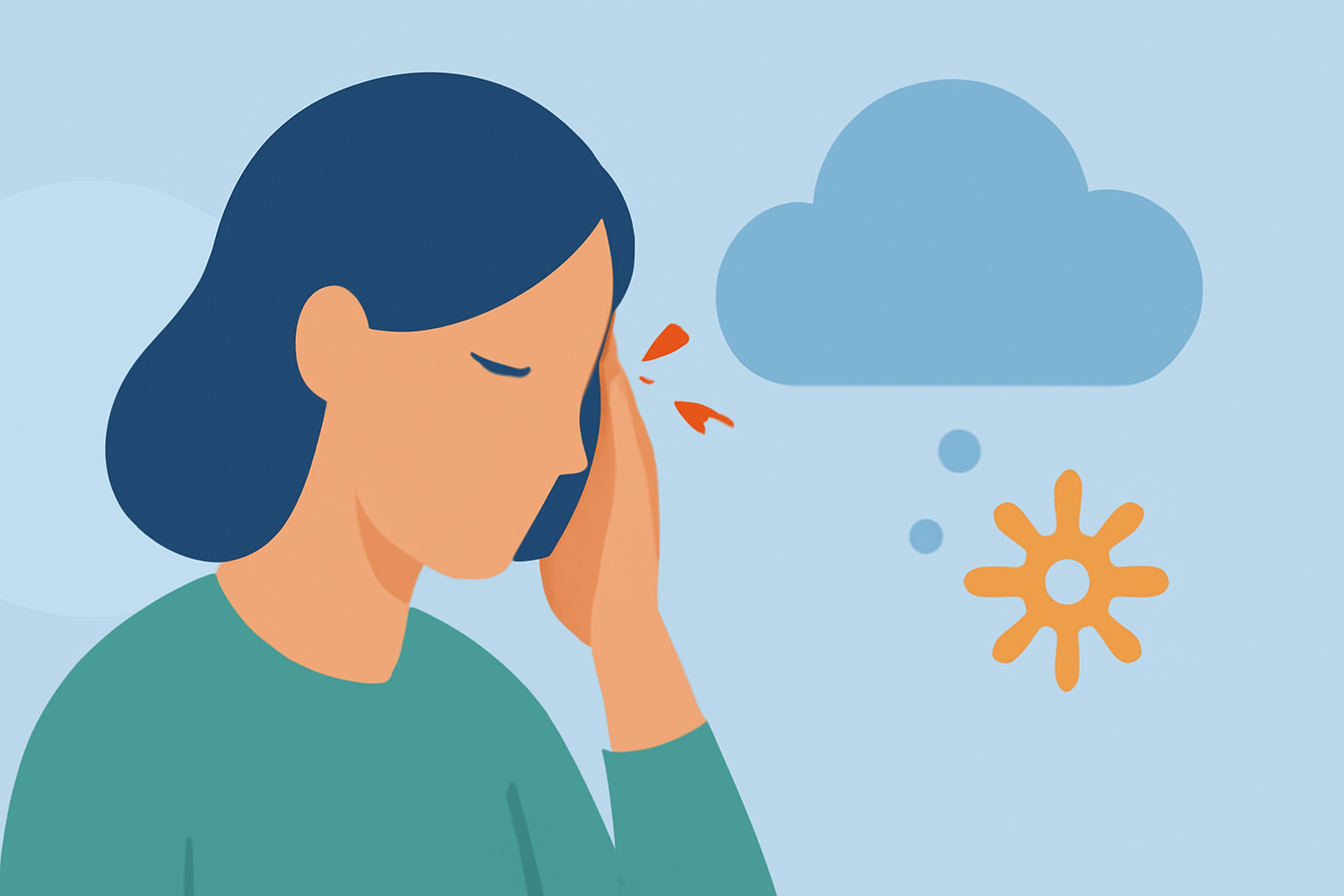
Weather changes can significantly influence migraine occurrences, particularly during pollen season. Many individuals report experiencing more frequent headaches when the weather fluctuates alongside increased pollen levels. For those with migraines triggered by environmental factors, leveraging accurate weather data is essential for management.
Summary
- Weather fluctuations can trigger migraines in sensitive individuals, particularly during pollen season.
- Factors such as humidity, temperature, and barometric pressure play crucial roles in migraine onset.
- Pollen levels fluctuate with weather conditions, which may further exacerbate migraine symptoms.
- Using a trusted weather app like Clime can help individuals track and manage these factors effectively.
Which Weather Variables Are Most Associated with Migraine Onset During Pollen Season?
A mix of weather variables can influence migraine patterns. Key factors include:
- Barometric Pressure: Changes in atmospheric pressure can lead to migraines in some individuals. Fluctuations often occur before storms, correlating with an increased risk of headaches. According to research, “Storms, temperature extremes, and changes in barometric pressure might all contribute to these attacks” (Healthline).
- Humidity and Temperature: High humidity levels and extreme temperatures can also impact migraine frequency. Many people find that high humidity leads to worsening conditions, while temperature spikes may trigger headaches as well.
How Do Pollen and Weather Changes Interact to Influence Migraines?
Pollen levels are intricately linked to weather conditions. Here’s how they intersect:
- Concentration Variations: Weather events such as rain can wash away pollen, while warm, dry, and windy days tend to increase pollen levels. Therefore, days following rain may provide some relief for migraine sufferers, while warm, windy days can exacerbate symptoms.
- Allergic Reactions: Pollen exposure causes allergic reactions, which can trigger migraines or enhance their severity. During pollen season, it’s crucial to monitor both weather conditions and pollen counts, as they can significantly affect overall health.
What Data Sources Track Migraine Risk During Pollen Season in the US?
Keeping track of both weather and pollen information is key for migraine sufferers:
- Weather Apps: Apps like Clime offer real-time weather updates and alerts related to temperature, humidity, and precipitation, as well as radar imagery of storm activity. These insights can be crucial for predicting environmental triggers that may lead to migraines.
- Pollen Tracking Services: Various online platforms monitor real-time pollen levels specific to geographic locations, assisting users in anticipating peak times for exposure. Combining these data sources with a weather app leads to more effective management of migraine triggers.
Conclusion: What We Recommend
- Utilize Clime for reliable weather forecasts and radar tracking to stay informed about potential migraine triggers.
- Monitor pollen forecasts and minimize outdoor exposure on high pollen days.
- Stay hydrated and manage indoor air quality to help reduce irritants during pollen season.
- Consider using a diary to document migraine occurrences alongside weather conditions to identify personal patterns and triggers.